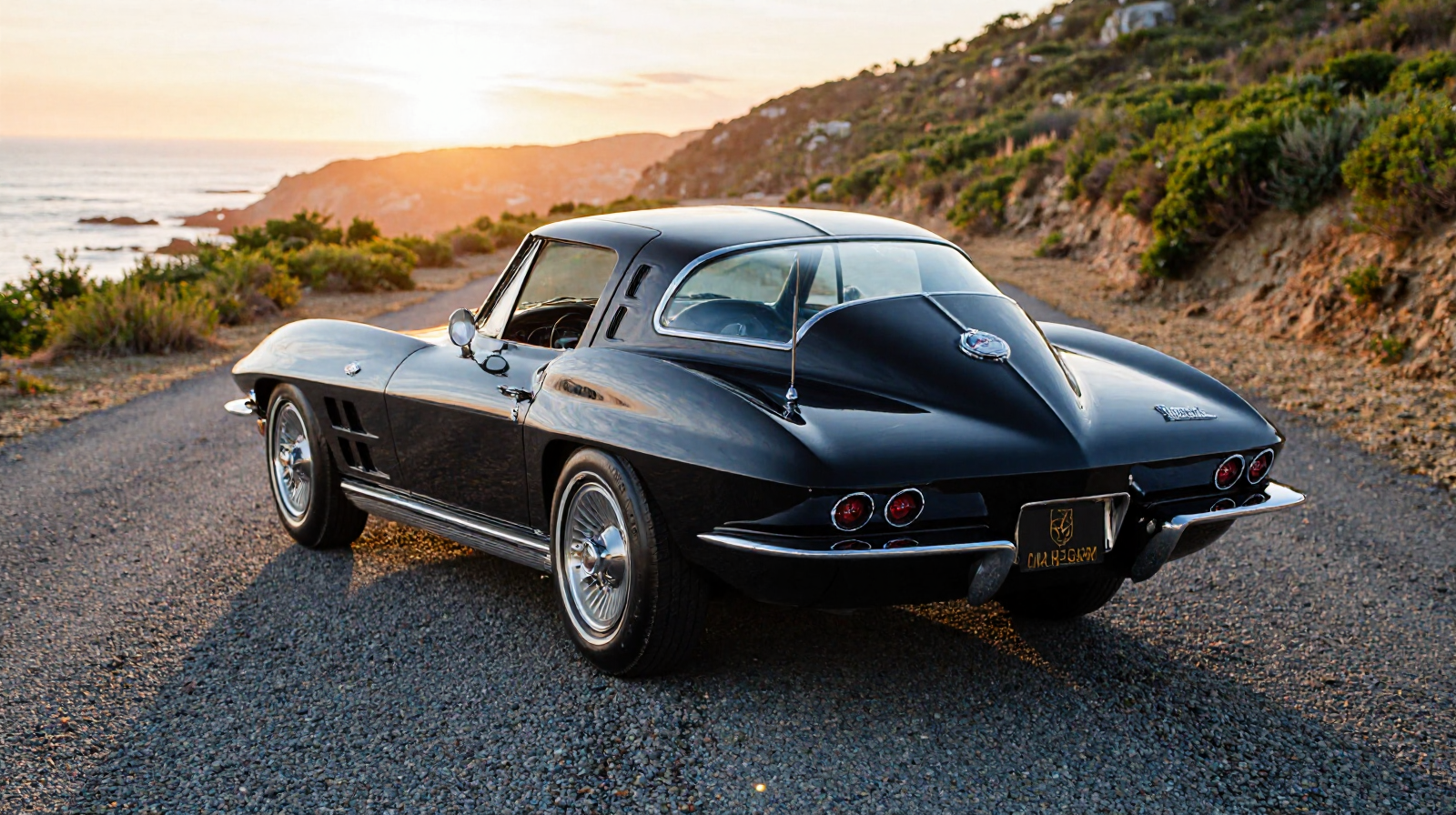
Chevrolet Corvette C2 L84 Stingray Coupe - 1965



Details
Download Files (1)
About this version
Model description
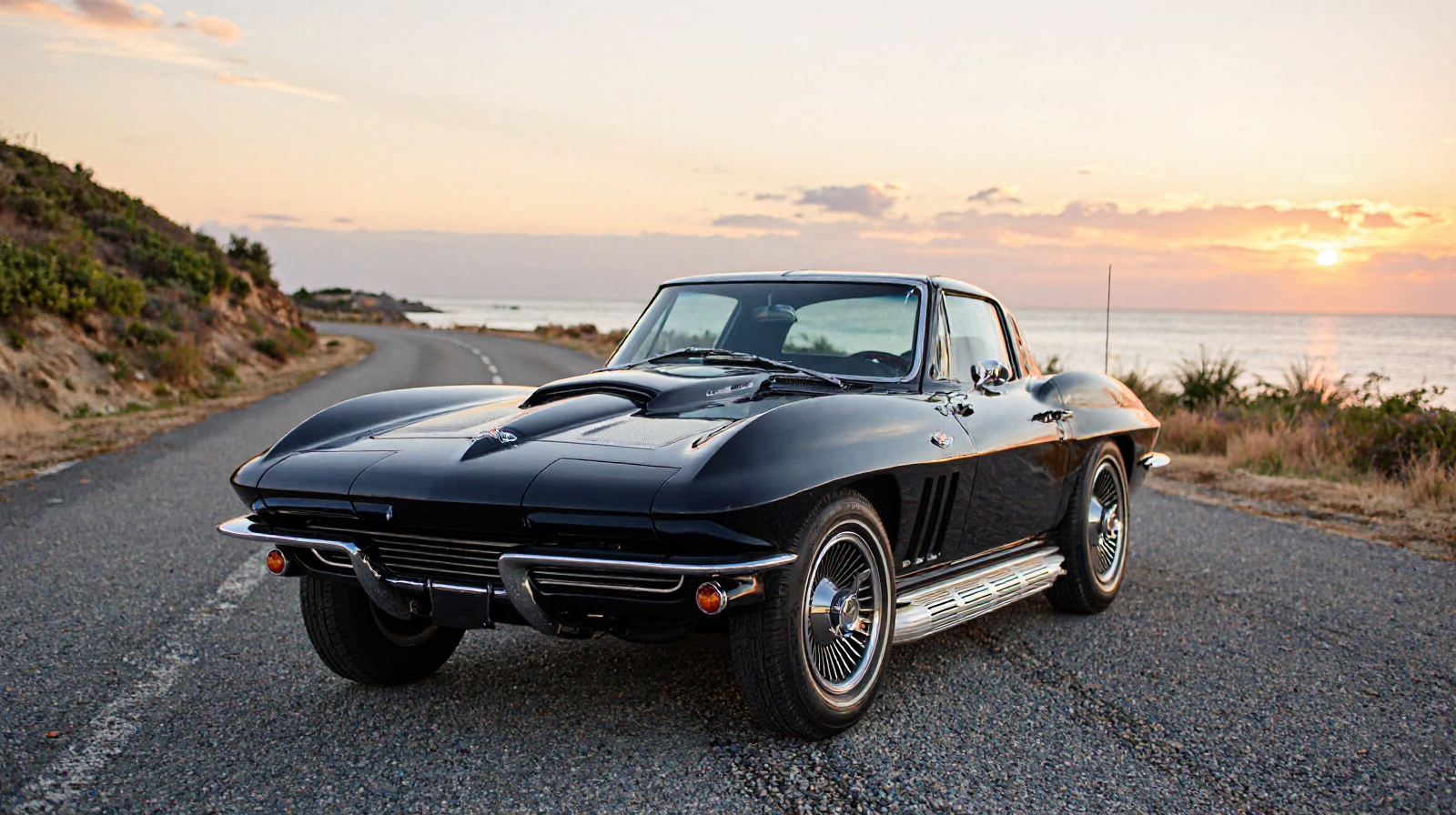
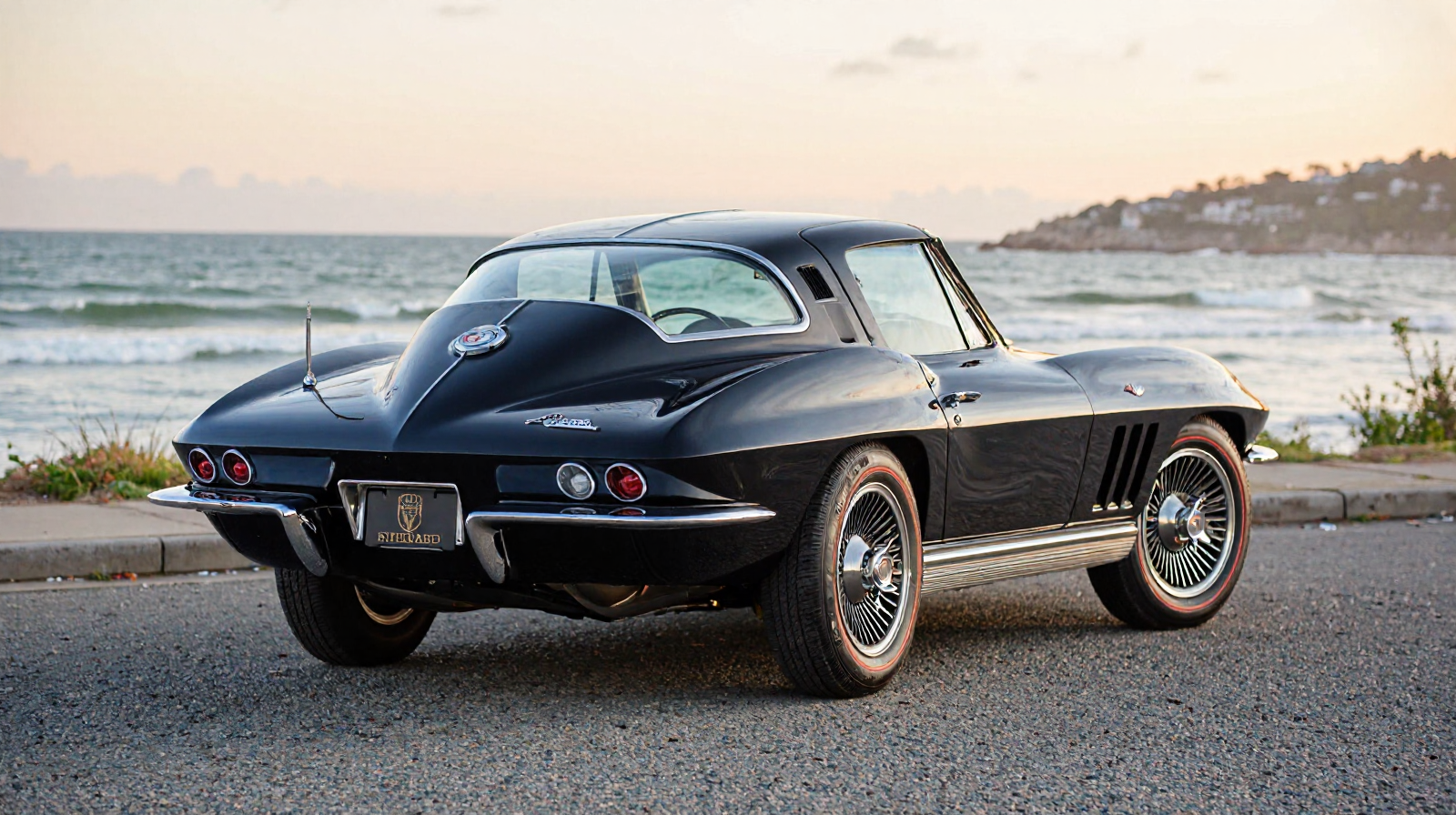
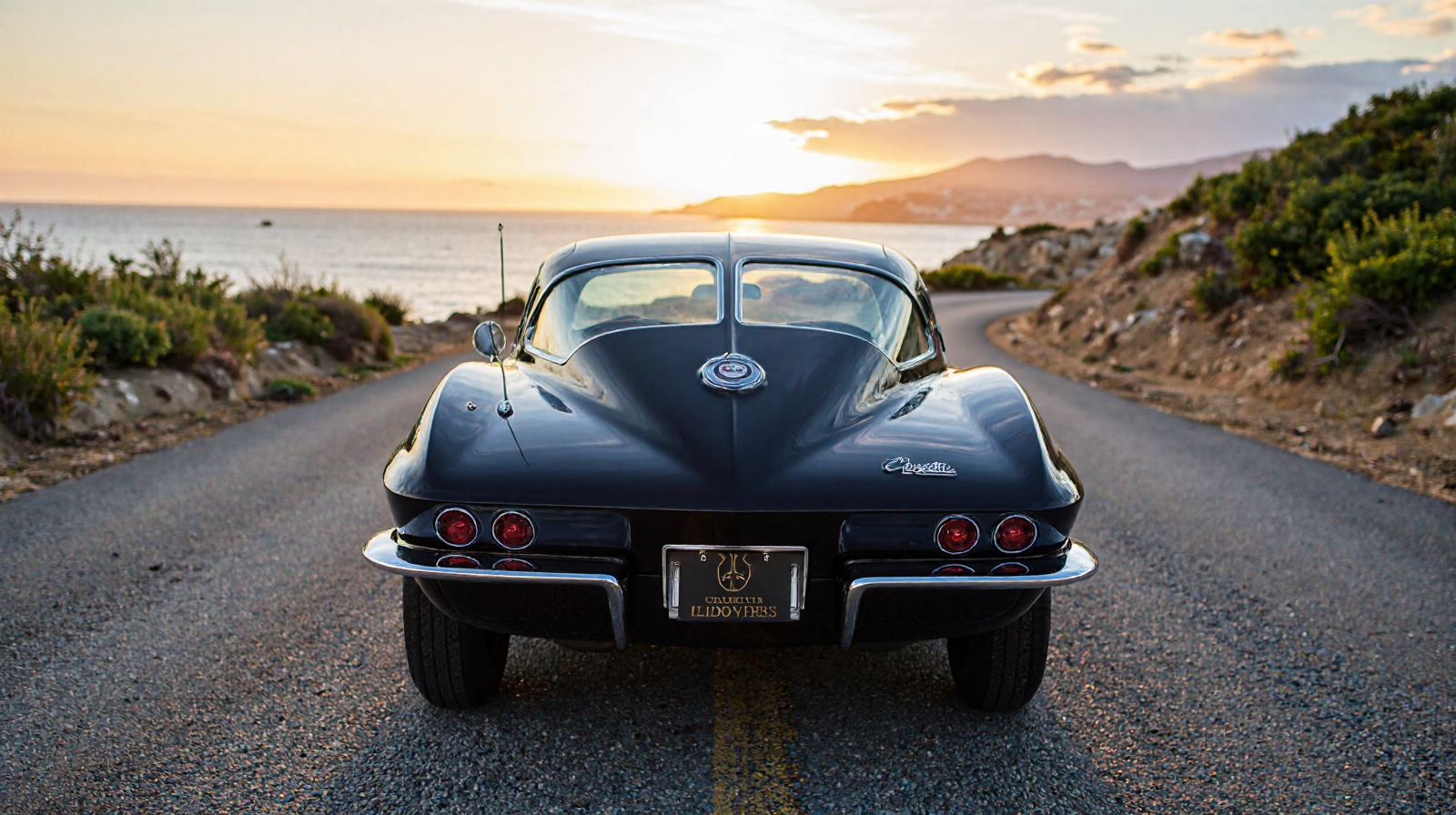
The Last Mechanical Marvel: The 1965 Corvette L84 'Fuelie' Coupe
The 1965 Chevrolet Corvette Stingray equipped with the L84 engine is a landmark vehicle, representing the absolute zenith of one performance era and the swan song before the dawn of another. It stands as the final, most refined version of the mechanically fuel-injected small-block Corvette, a lineage of sophisticated engineering championed by Zora Arkus-Duntov. The 1965 model year is uniquely significant as it was the only year a Corvette "Fuelie" left the factory with the transformative power of standard four-wheel disc brakes, creating the most dynamically balanced and complete performance package of the entire C2 generation.
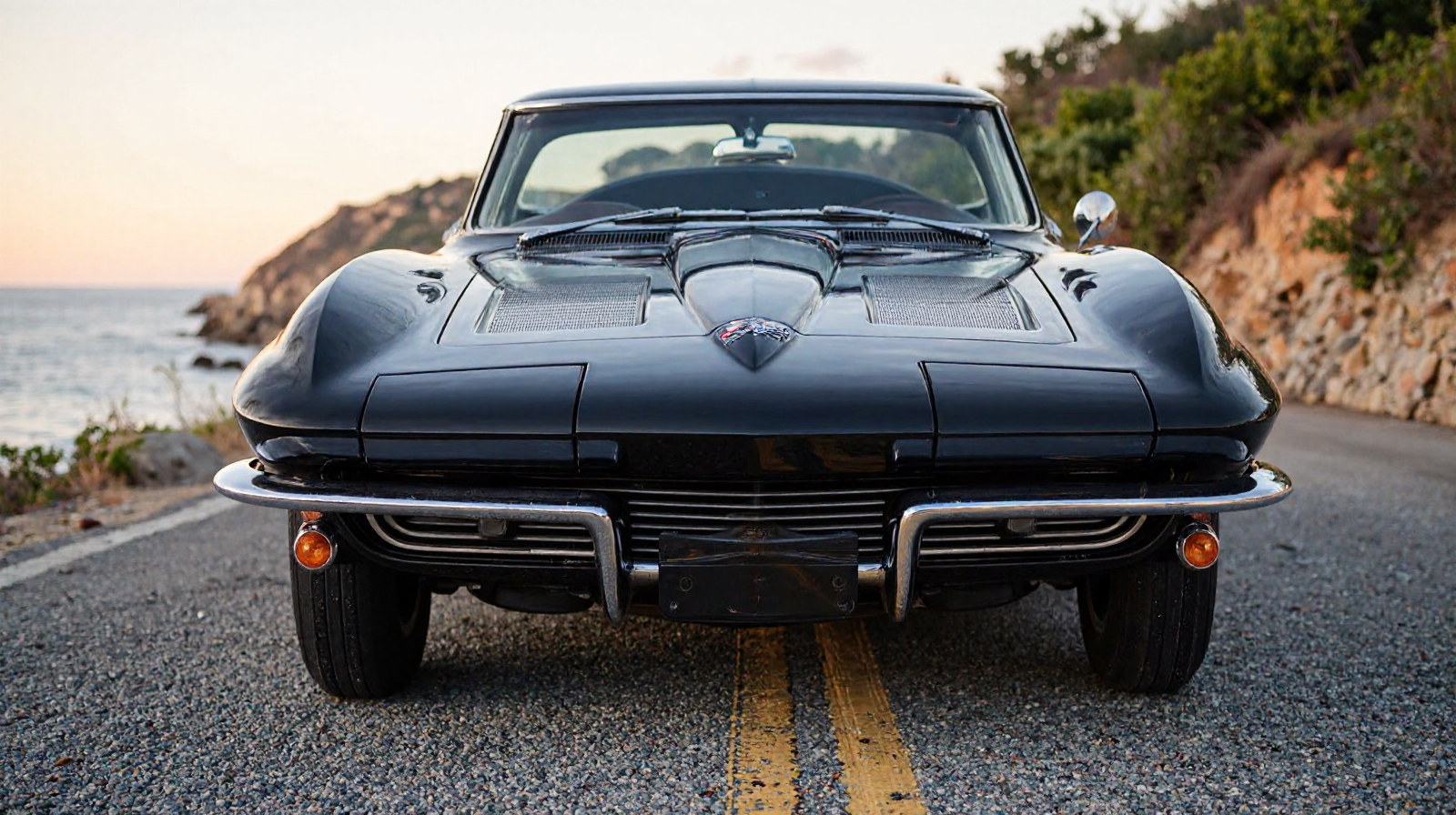
For 1965, the C2 Sting Ray's iconic design received a series of tasteful and functional refinements. The most noticeable exterior change was a new, smooth hood that eliminated the non-functional recessed areas of the previous years, creating a sleeker profile. More importantly, three vertical louvers were added to the front fenders; unlike the decorative vents on earlier models, these were fully functional, designed to draw hot air out of the engine bay. Other subtle updates included a new grille with blacked-out horizontal bars and new aluminum body sill moldings. Inside, the cockpit was enhanced with redesigned bucket seats for better support, new door panels with integrated armrests, and a dashboard that now featured painted sections instead of being fully upholstered.
However, the most crucial upgrade for 1965 was the standardization of the four-wheel "Sport-Master" disc brake system. This single advancement elevated the Corvette to a new level of performance, providing stopping power that could finally match the potency of its top-tier engines. The superior, fade-resistant performance of the disc brakes was a necessary prerequisite for the even more powerful engines on the horizon, making the 1965 L84 the only "Fuelie" to perfectly pair its advanced powertrain with a modern, confidence-inspiring braking system from the factory.
The heart of this machine was the L84 V8, the most powerful version of the legendary 327-cubic-inch small-block. Rated at 375 horsepower, it was a high-strung, high-revving engine designed for performance. It featured a forged steel crankshaft, an 11.0:1 compression ratio, and an aggressive solid-lifter "Duntov 30-30" camshaft that allowed the engine to scream towards its 6,500 rpm redline. What truly set the L84 apart was its Rochester Ramjet mechanical fuel injection system. A marvel of its time, this complex continuous-flow system used a series of vacuum and pressure signals to deliver a precise, constant spray of fuel to each cylinder. This provided instantaneous throttle response and eliminated the fuel starvation issues that carburetors could suffer during hard cornering, making it a true race-bred technology for the street.
The 1965 model year also marked a pivotal fork in the road for American performance. Mid-year, Chevrolet introduced the L78 396-cubic-inch "Big-Block" V8. This engine represented a different philosophy: brute force through displacement. The L78 produced a staggering 425 horsepower and was significantly cheaper, costing just $292.70 compared to the L84's steep $538.00 price tag. The market's response was decisive. In just half a year, 2,157 buyers chose the big-block, while only 771 opted for the "Fuelie" over the entire year. This preference for cheaper, bigger power sealed the fate of the complex and expensive fuel injection system, which was discontinued at the end of the model year.
This commercial outcome is precisely what makes the 1965 L84 so prized by collectors today. Its extreme rarity—just 771 units out of a total production of 23,562 Corvettes—cements its status as a blue-chip collectible. A true "numbers matching" L84 is a significant investment, with values for excellent examples ranging from $120,000 to over $150,000, and even higher for cars with prestigious awards or other rare options like the 36-gallon "Big Tank". Authentication is critical, requiring verification of the VIN, the "HG" engine suffix code, and the vehicle's VIN stamped on the fuel injection plenum itself. The 1965 L84 Corvette remains a definitive piece of automotive history—a technologically sophisticated marvel that represents the ultimate evolution of the small-block "Fuelie."