2010 Mirror Selfies






Details
Download Files (1)
About this version
Model description
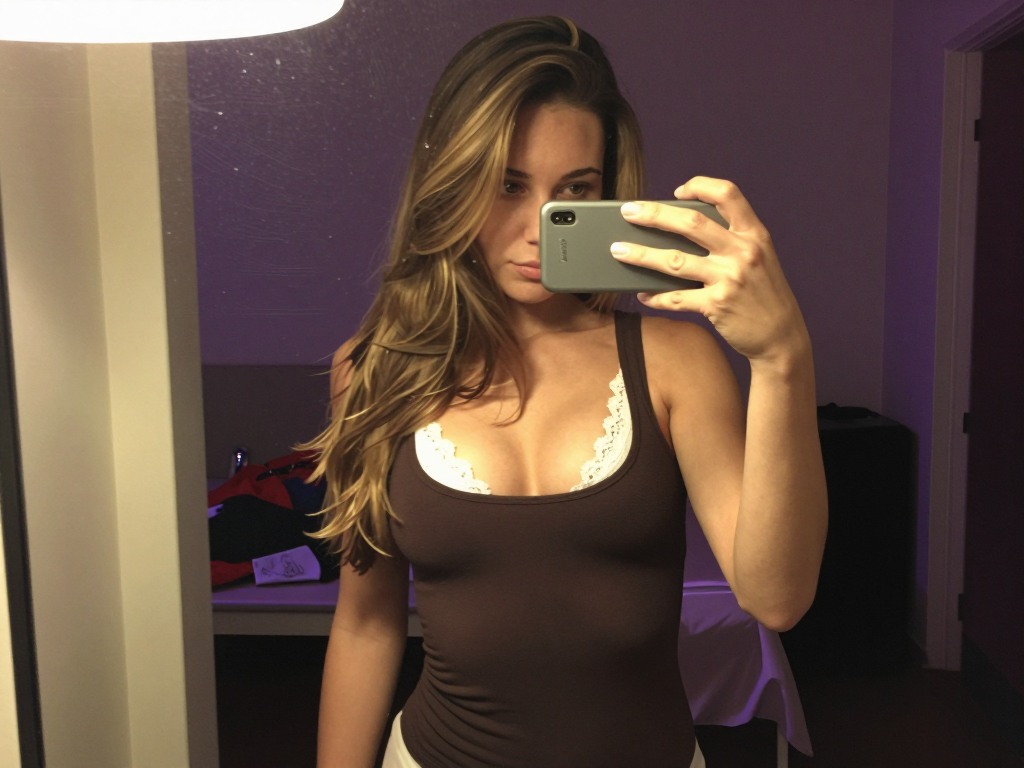
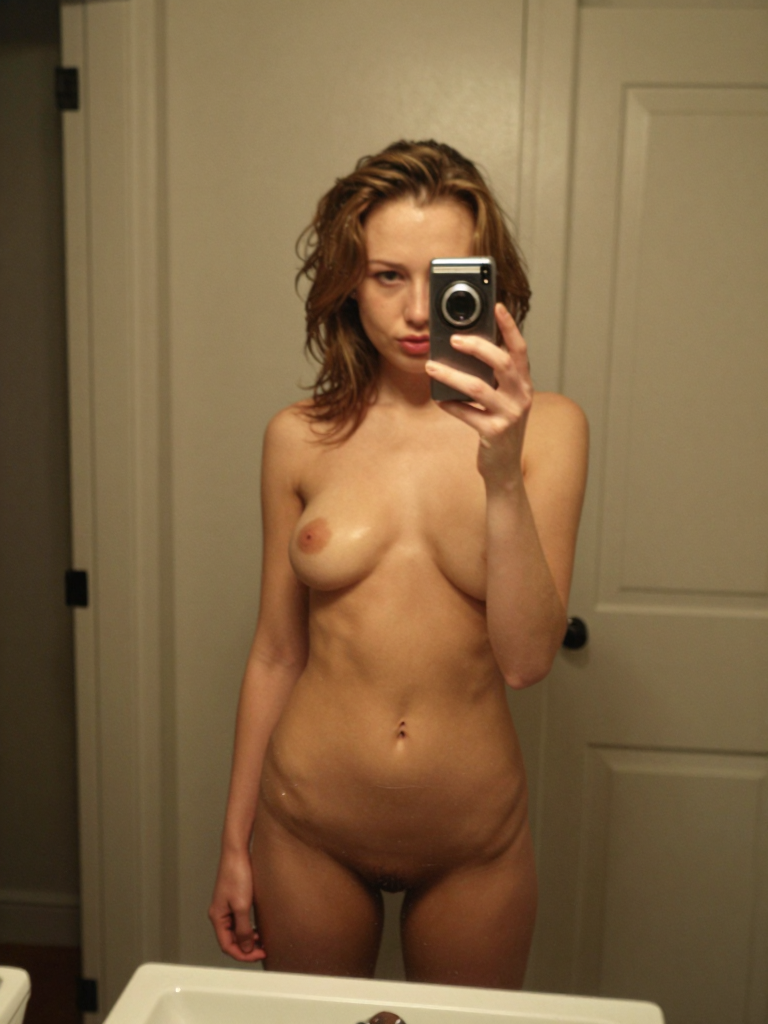
This model is trained to reproduce the visual aesthetic of casual mirror self-portraits from the late-2000s to early-2010s era, especially images taken on early cellphones and compact point-and-shoot cameras. It focuses on low-fidelity digital characteristics such as soft focus, visible compression artifacts, limited dynamic range, flat warm indoor lighting, and slightly awkward or imperfect framing.
The model excels at generating images that feel personal, informal, and unposed, with a natural “accidental” snapshot quality rather than a polished or cinematic look. Typical environments include bedrooms and bathrooms with everyday clutter, simple furnishings, and lived-in backgrounds.
This model is not intended for high-resolution, professional photography, studio lighting, or highly stylized fashion, glamour, or cinematic scenes. It performs best when used to create realistic, low-tech, early-digital personal photo aesthetics.
How to get the best results
Use the trigger word:selfiez
Always include this at the start of your prompt.
1. Describe the camera and era first
This model strongly responds to camera and era cues. Use phrases like:
“2007–2010 cellphone camera”
“late-2000s point-and-shoot camera”
“compact digital camera from the late 2000s”
2. Include image flaws and limitations
These help anchor the aesthetic:
soft focus
visible compression artifacts
digital noise
limited dynamic range
low resolution
flat highlights
3. Use simple indoor environments
The model works best with:
bathrooms (mirrors, sinks, towels, tiles)
bedrooms (beds, clothes, wallpaper, clutter)
Avoid outdoor scenes, dramatic landscapes, or studio-like setups.
4. Keep lighting simple and flat
Use:
“flat indoor lighting”
“warm white balance”
“no strong shadows”
“direct flash” (if you want harsher highlights and glare)
Avoid complex lighting setups, rim lighting, dramatic shadows, or cinematic light descriptions.
5. Keep composition casual
Use:
mirror selfie
arm’s length framing
slightly off-center
awkward crop
tilted framing
This reinforces the personal snapshot feeling.
6. Avoid conflicting styles
Avoid mixing this with:
professional photography terms (studio lighting, bokeh, HDR, ultra-sharp, cinematic)
high-end camera brands or modern phone references
hyper-real, painterly, anime, or heavily stylized prompts
Example prompt
selfiez, A mirror selfie taken with a late-2000s point-and-shoot camera showing soft focus, visible compression artifacts, and limited dynamic range. The adult woman stands in a cluttered bathroom with a towel on the door and toiletries on the sink. Lighting is flat and warm with no strong shadows. The framing is arm’s length and slightly tilted, creating an informal, unposed, low-fidelity aesthetic.
Summary
This model is good for:
Realistic early-digital personal photo aesthetics
Casual mirror selfies and private indoor snapshots
Low-resolution, imperfect, natural looking images
This model is not good for:
Professional photography or studio scenes
Highly stylized, cinematic, or fashion imagery
Ultra-sharp, high-detail, or modern smartphone looks
If you stay within those boundaries, you’ll get the most consistent and believable results from it.