Magneto (Marvel Comics | X-Men | Rule 63)








Details
Download Files (1)
Model description
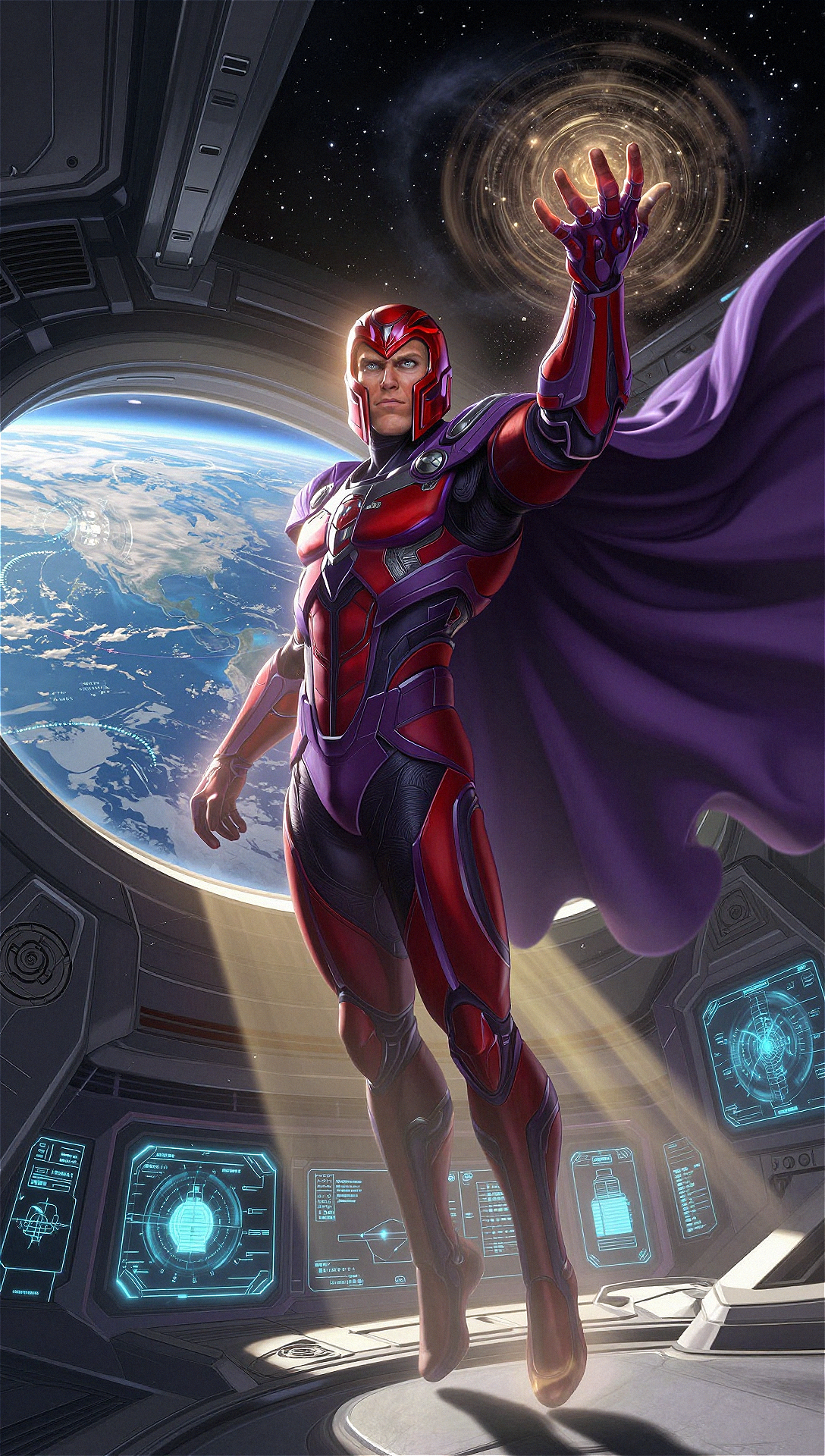
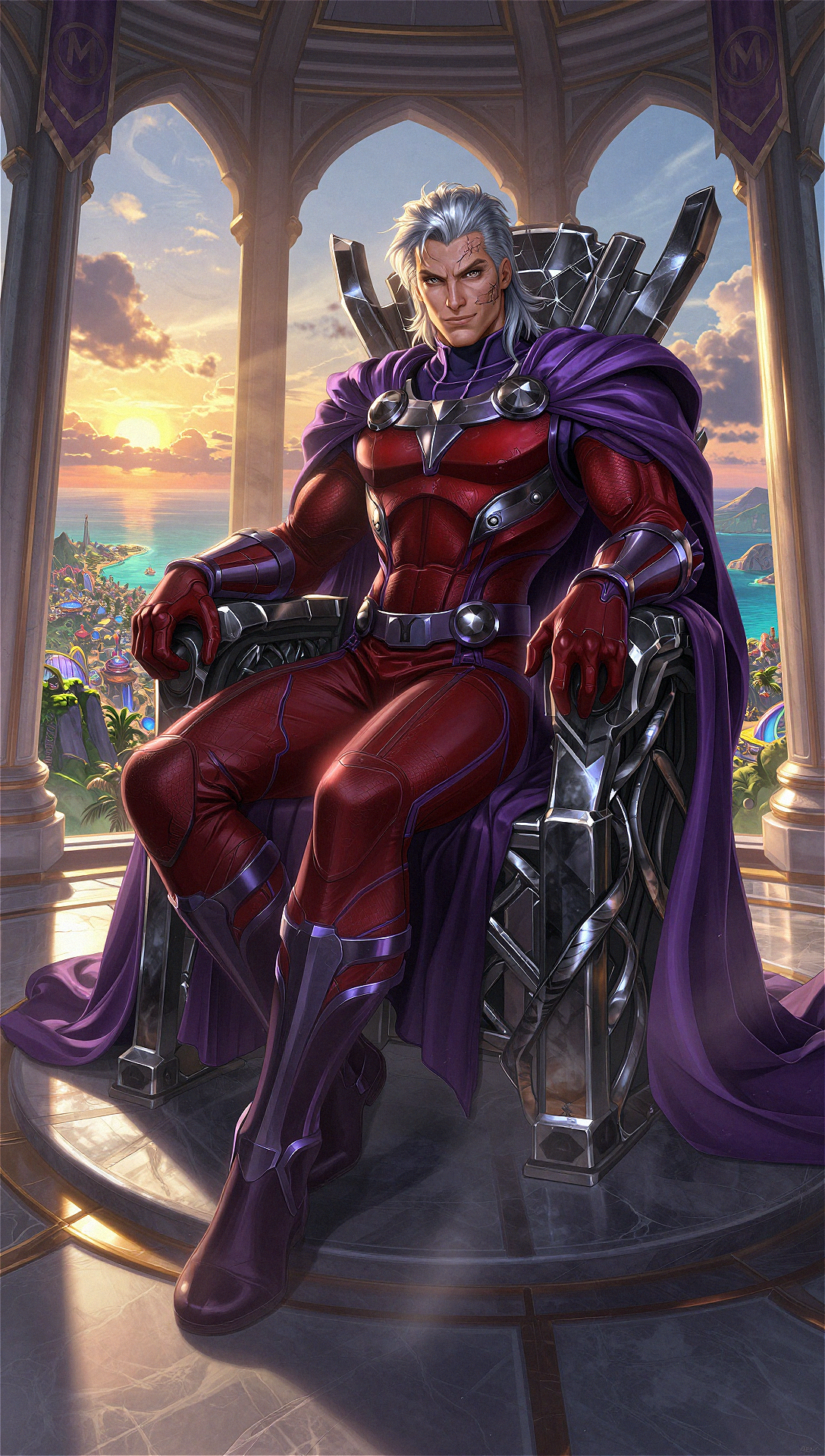
Magneto, whose real name is Max Eisenhardt (also known as Erik Magnus Lehnsherr), is a prominent mutant character in Marvel Comics, renowned for his mastery of magnetism and his complex ideological stance on mutant-human relations. Created by writer Stan Lee and artist Jack Kirby, he first appeared as an antagonist in The X-Men #1 (September 1963). Born in Germany during the interwar period, Eisenhardt endured profound trauma as a Jewish survivor of the Holocaust, experiencing the horrors of Auschwitz where much of his family perished. These experiences shaped his worldview, fostering a deep-seated fear of persecution and a conviction that mutants must assert dominance to avoid humanity's repeated genocidal tendencies.
Possessing the ability to generate and control magnetic fields on a vast scale, Magneto can manipulate metal, create force fields, and even influence electromagnetic energy, rendering him one of the most powerful mutants in the Marvel Universe. Initially portrayed as a villain, he formed the Brotherhood of Evil Mutants to challenge human oppression and pursue mutant supremacy, frequently clashing with Professor Charles Xavier's X-Men, his former friend whose philosophy of coexistence he rejected. Over time, Magneto's character evolved beyond a one-dimensional antagonist, reflecting the moral ambiguities of his cause; he has established bases such as Asteroid M and briefly ruled the mutant nation of Genosha.
Magneto's arc includes significant developments that highlight his internal conflicts and occasional redemptions. He has allied with the X-Men during global threats, served as a mentor or leader in mutant communities, and grappled with personal tragedies, including the loss of his daughter Anya and complex relationships with his children—Quicksilver, Scarlet Witch, and Polaris. Periods of apparent reform, such as his trial for global crimes or leadership in a reformed capacity, have been punctuated by returns to extremism, underscoring his role as a tragic figure driven by survival instincts and a vision of mutant liberation, often positioning him as both a revolutionary and a cautionary symbol of radicalism.