Big is Beautiful: Fernando Botero Plump Painting Style








Details
Download Files (1)
About this version
Model description
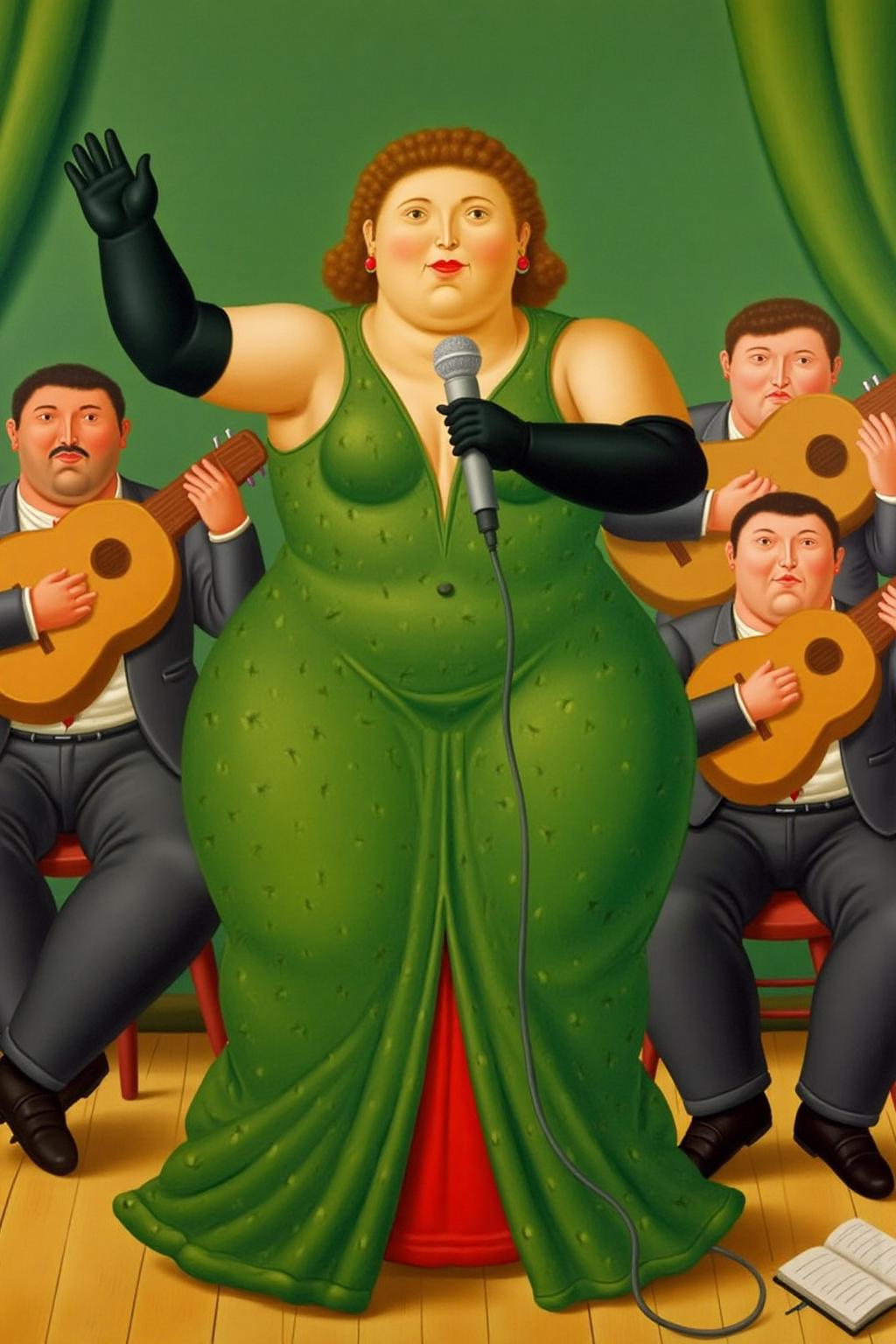
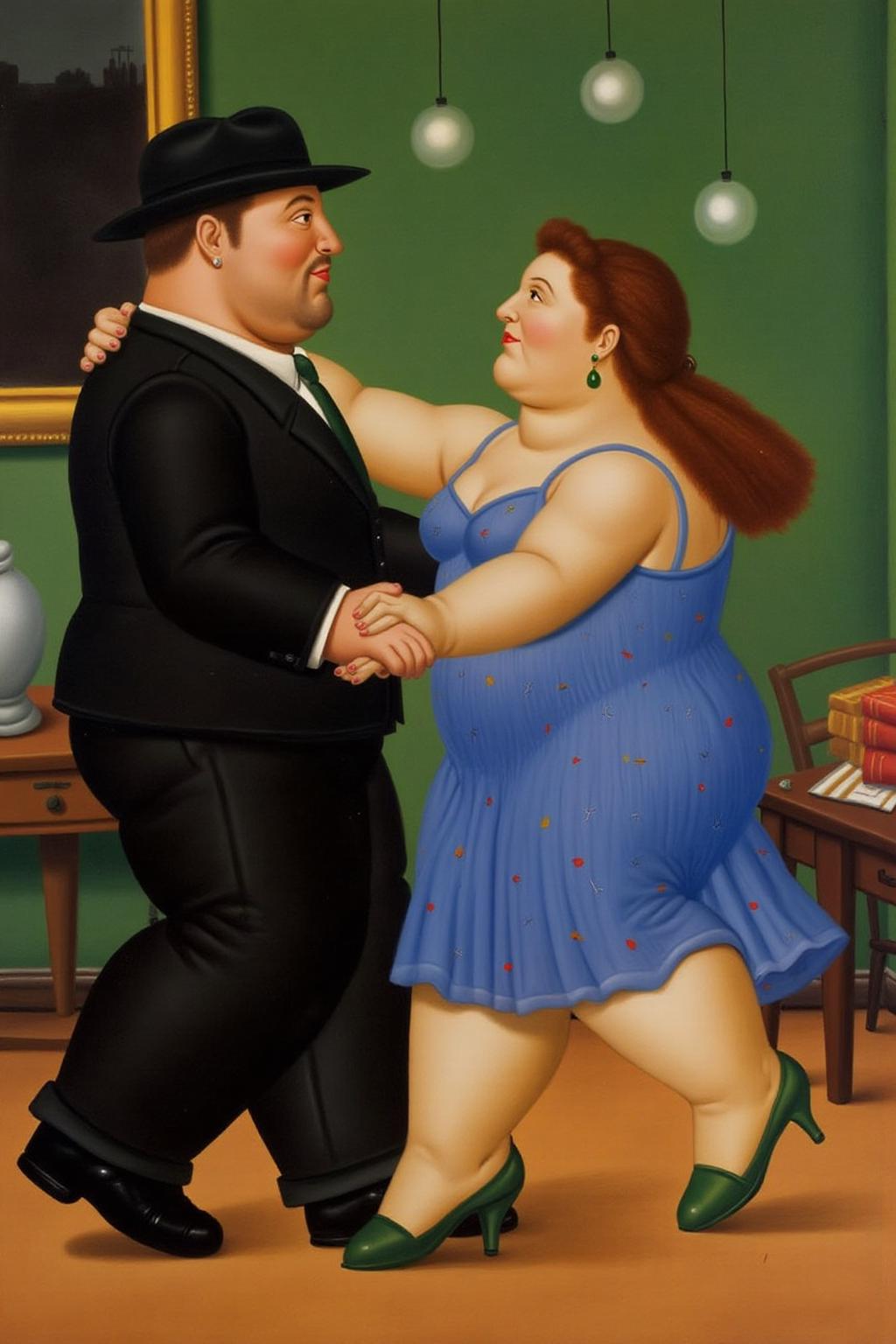
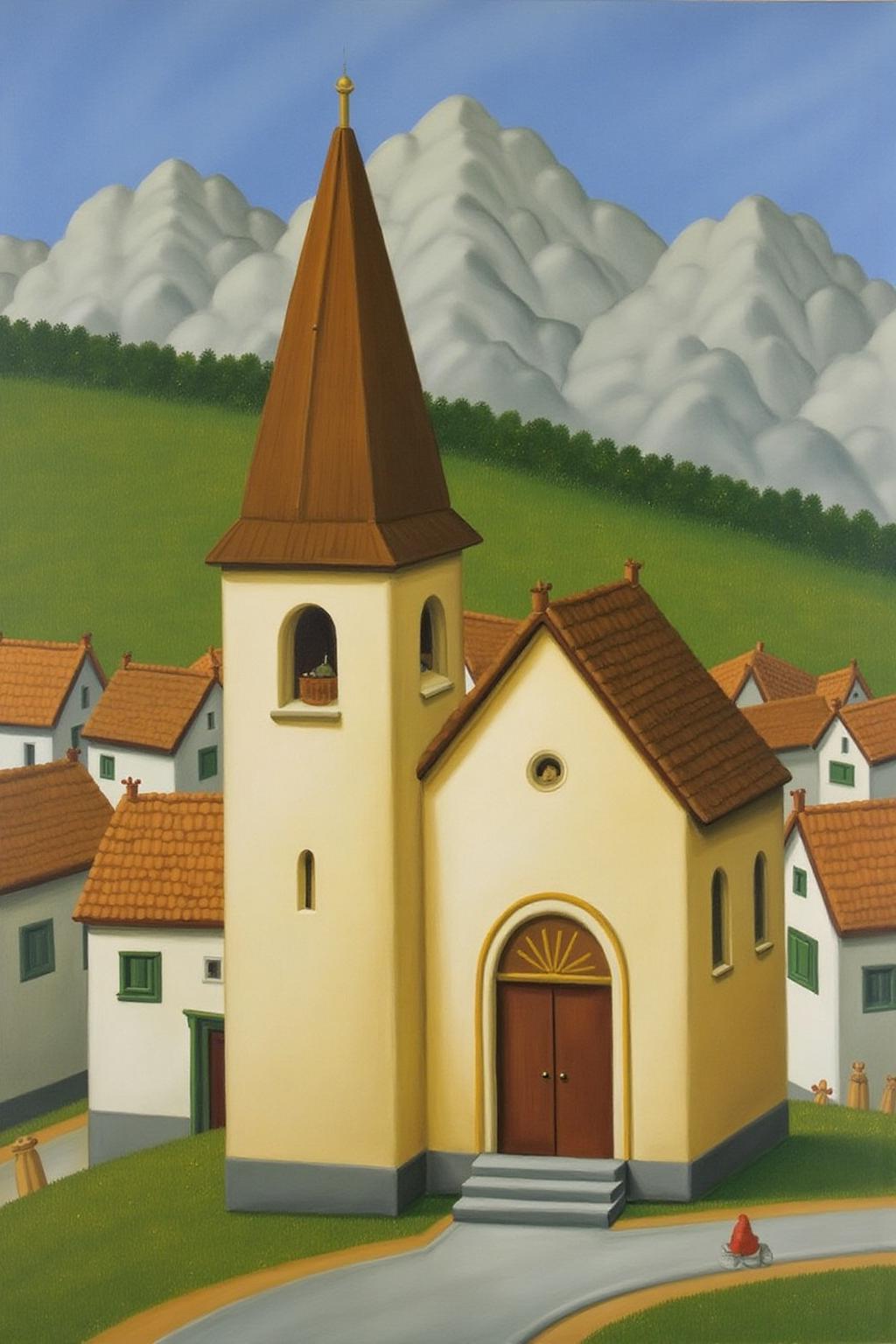
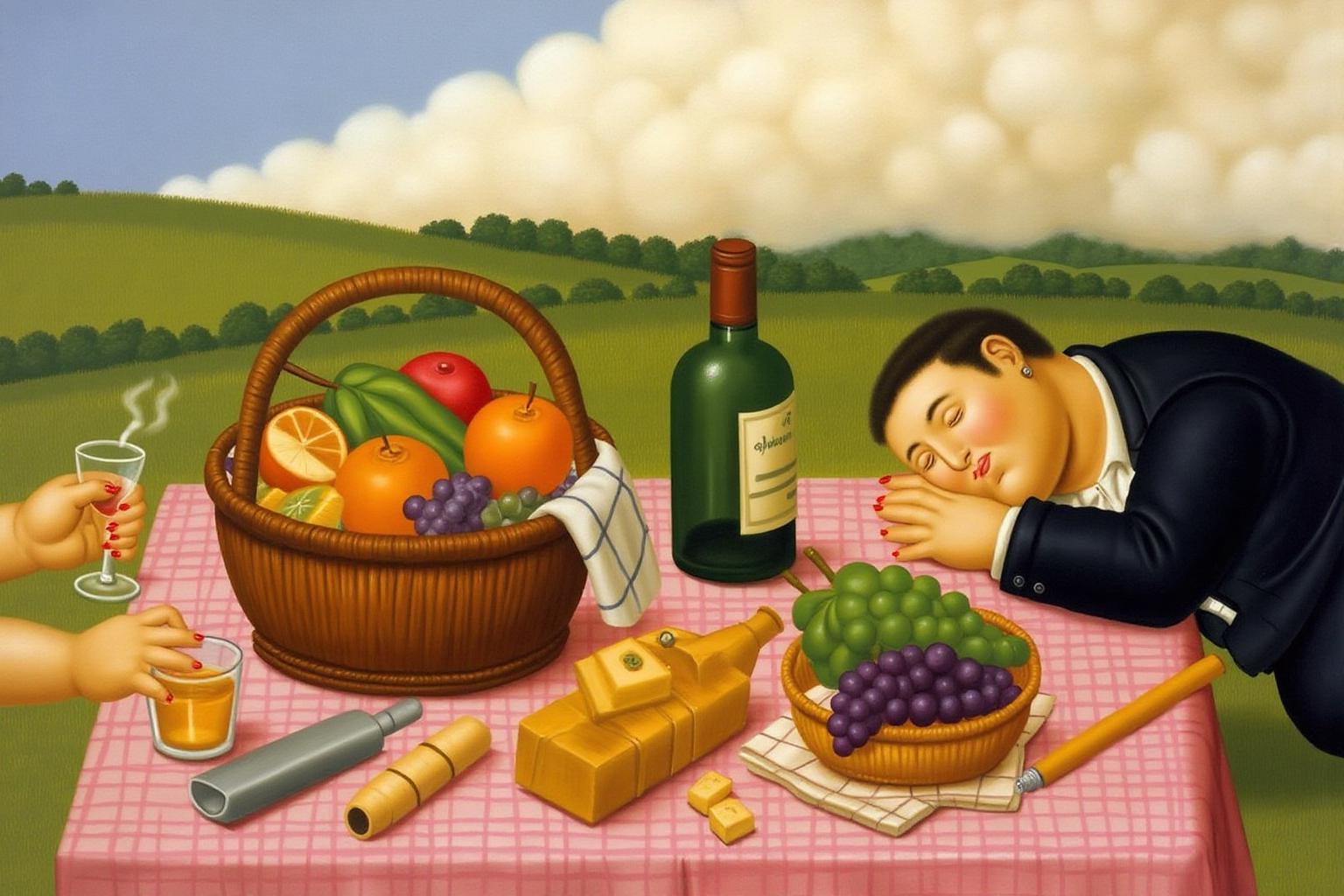
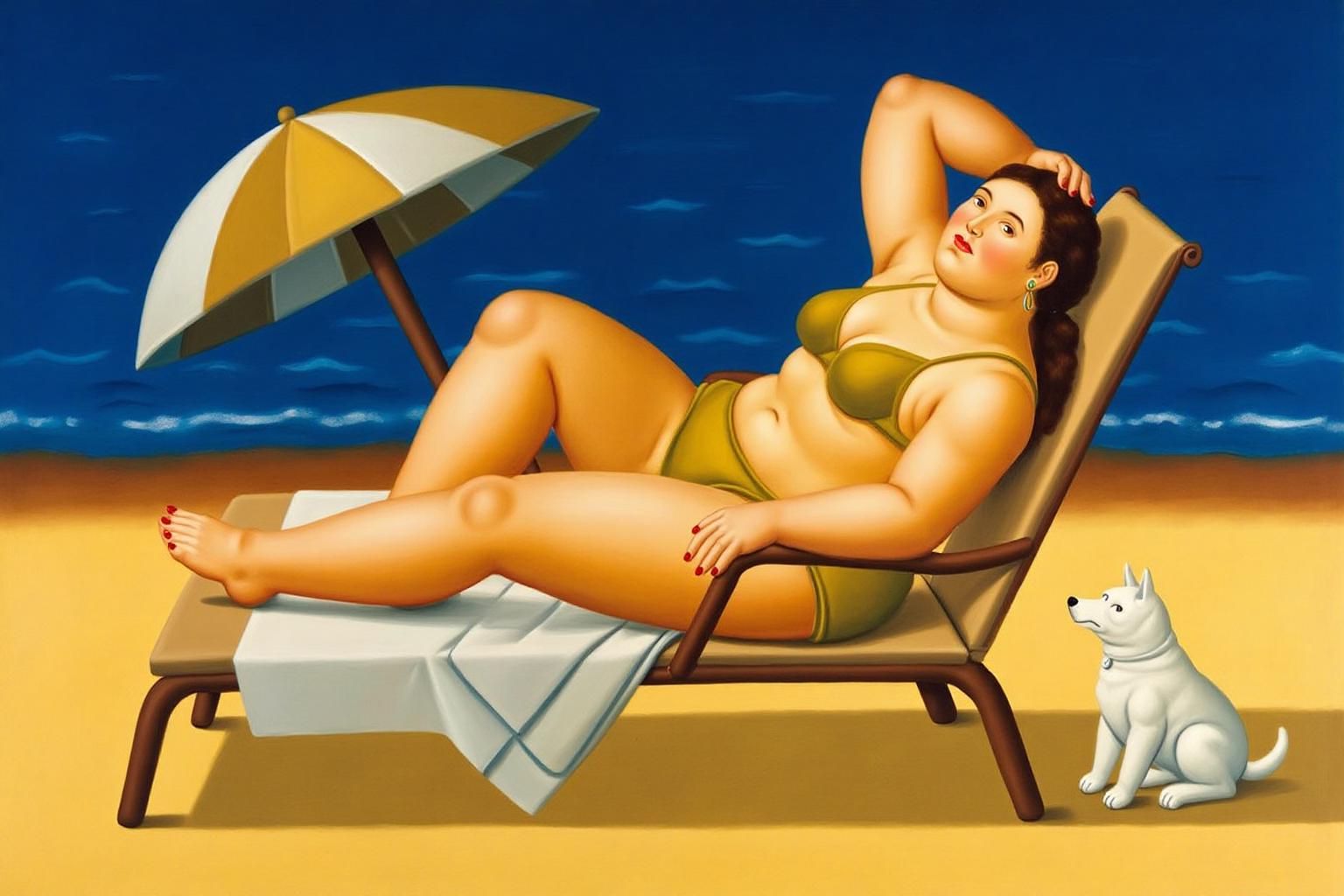
Trained on 33 paintings by the Colombian figurative artist and sculptor Fernando Botero Angulo (19 April 1932 – 15 September 2023). To see his works, please go to
jornalnota.com.br/2016/04/19/as-50-melhores-obras-de-fernando-botero-e-seus-principais-temas/
galeriaduquearango.com/en/blog/why-fernando-botero-is-so-important
nevadaart.org/art/exhibitions/the-baroque-world-of-fernando-botero
theartblog.org/2018/04/fernando-botero-in-the-casting-room-a-thought-experiment
From ChatGPT
 Botero in 2018
.jpg)
Fernando Botero Angulo (19 April 1932 – 15 September 2023) was a world-renowned Colombian artist famous for his distinctive style characterized by exaggerated, voluminous forms — often described as "Boterismo." His work spans painting, sculpture, and drawing, blending social commentary, humor, and vibrant aesthetics. As one of the most recognizable Latin American artists, Botero’s art bridges traditional European influences with uniquely Colombian themes.
Early Life & Education
Born: April 19, 1932, in Medellín, Colombia.
Initially trained in bullfighting, Botero later turned to art, studying in Bogotá before traveling to Madrid, Paris, and Florence, where he absorbed influences from Spanish, French, and Italian Renaissance masters.
His early exposure to Diego Velázquez, Francisco Goya, and Piero della Francesca helped shape his exploration of form and volume.
Artistic Style – "Boterismo"
Botero’s signature style is marked by:
1. Voluminous Figures
His subjects — whether people, animals, or objects — are depicted with exaggerated, round, and inflated forms.
This unique aesthetic evokes humor, warmth, and, at times, social critique.
2. Vivid Colors & Smooth Surfaces
Botero’s bold use of bright colors, soft shading, and luminous textures enhances the fullness of his figures.
Despite their exaggerated proportions, his subjects often maintain an air of serenity or stoic dignity.
3. Social Commentary
Botero frequently addressed themes of politics, violence, and power. His series exploring Colombian conflict, corruption, and even the Abu Ghraib prison scandal showcased his commitment to addressing serious subjects through his signature style.
4. Humor & Irony
While some works carry political weight, many of Botero’s paintings embrace satire, poking fun at traditional art, religious figures, and social elites.
Notable Works
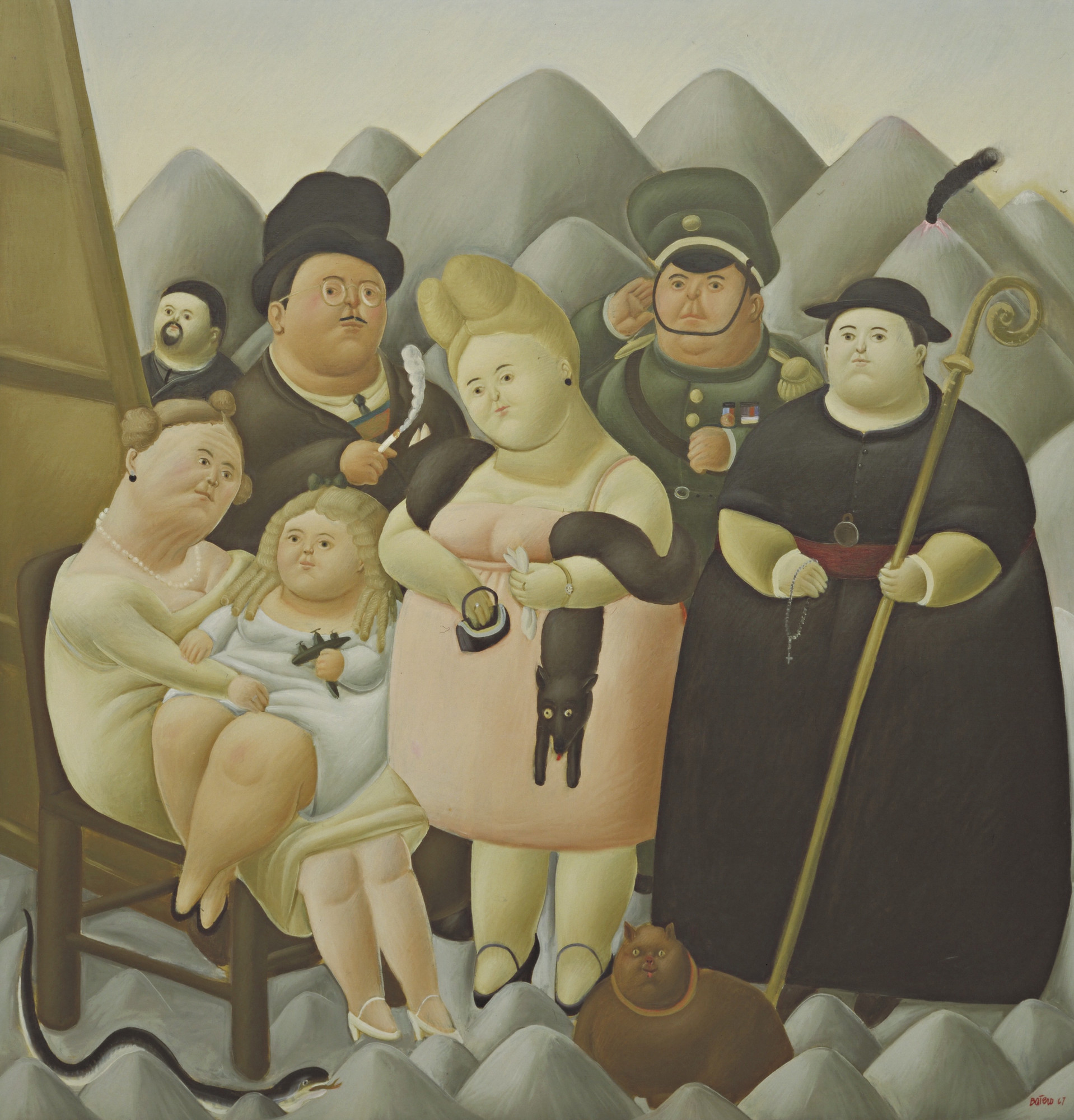
The Presidential Family (1967) A satirical portrait of a powerful political family, blending authority with absurdity through exaggerated forms.
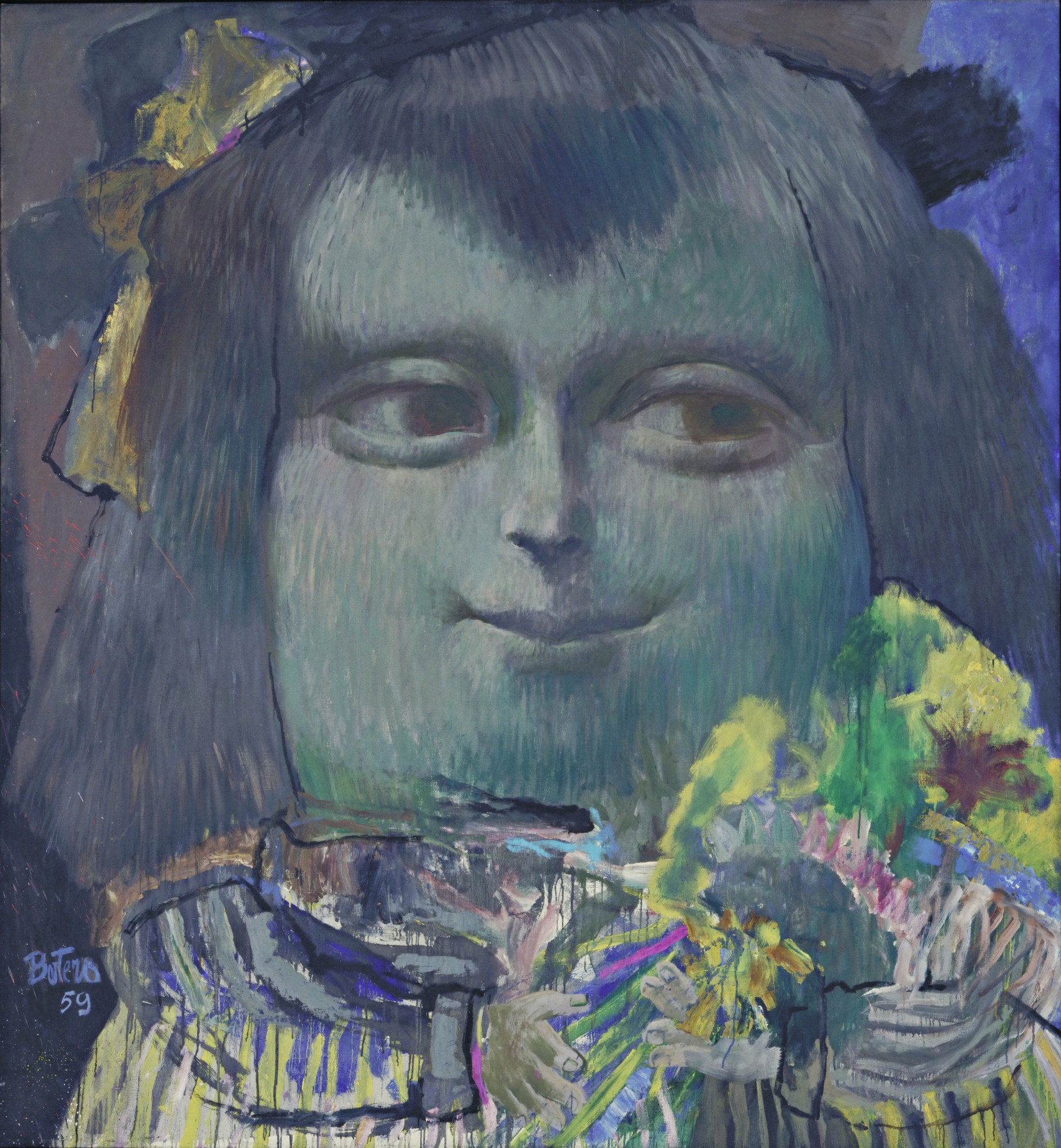
Mona Lisa, Age Twelve (1959) A playful reinterpretation of da Vinci’s iconic figure, depicting her as a plump, childlike figure.
The Death of Pablo Escobar (1999) A powerful commentary on violence in Colombia, showing the infamous drug lord as an oversized figure falling in a hail of bullets.

Abu Ghraib Series (2005) A haunting series confronting the abuses at Iraq’s Abu Ghraib prison, proving Botero's art could be both political and provocative.

Sculpture
Botero’s sculptures — often monumental in scale — share the same inflated forms as his paintings.
His bronze sculptures can be found in major cities worldwide, including New York, Paris, Barcelona, and Medellín.
Pieces like "The Cat", "The Horse", and "Man on Horseback" showcase his talent for transforming mass into expressive form.
Themes in Botero’s Art
Latin American Culture: He often celebrated Colombian life, depicting fiestas, bullfights, and village scenes.
Religious Imagery: Botero reimagined biblical themes with plump, exaggerated figures, blending reverence with satire.
Political Critique: He addressed corruption, violence, and social inequality in Colombia and beyond.
Legacy & Influence
As one of the most commercially successful artists of the 20th century, Botero’s works appear in major museums and public spaces worldwide.
His unique style — blending humor, sensuality, and social commentary — has left a lasting mark on the art world.
Often called the "most Colombian of Colombian artists", Botero’s celebration of his homeland’s culture, history, and struggles remains deeply influential.
In Summary
Fernando Botero’s signature style — blending voluminous forms with vivid colors — carved out a distinct space in modern art. Whether playful or political, his works offer a captivating mix of humor, cultural pride, and social reflection.