From Grimms to Disney: Kay Nielsen Art Nouveau Fairly Tale Illustration Style







Details
Download Files (1)
About this version
Model description
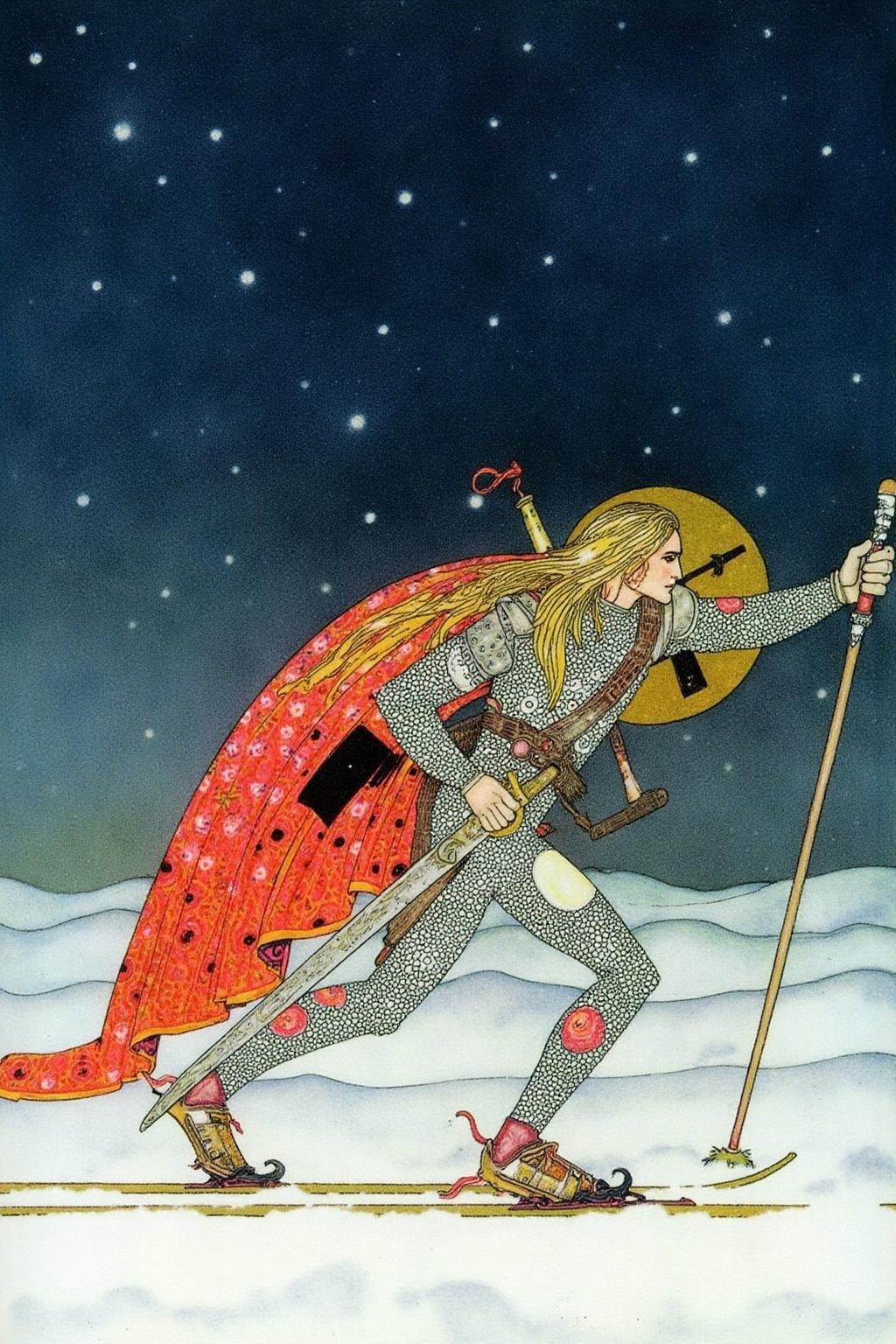
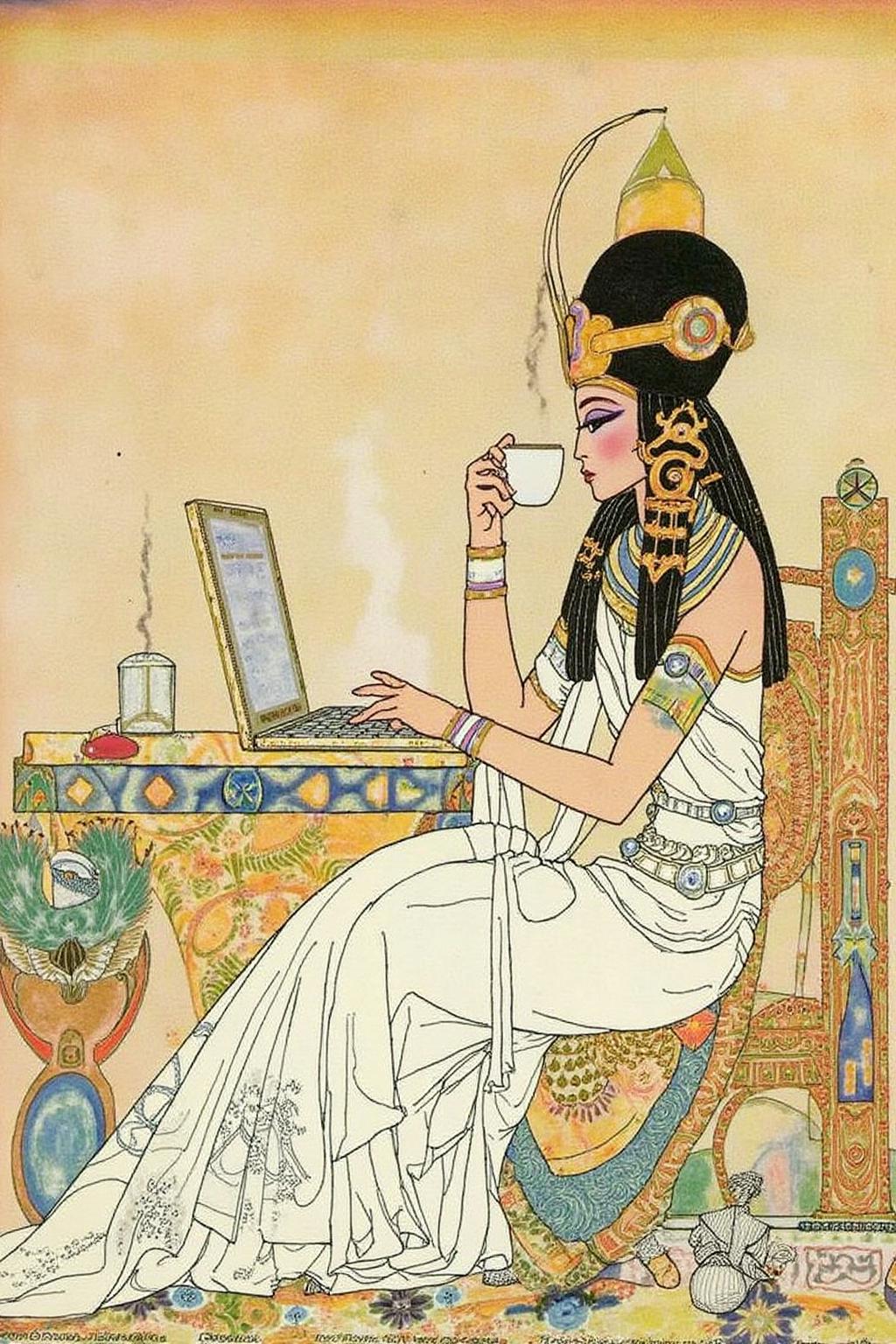
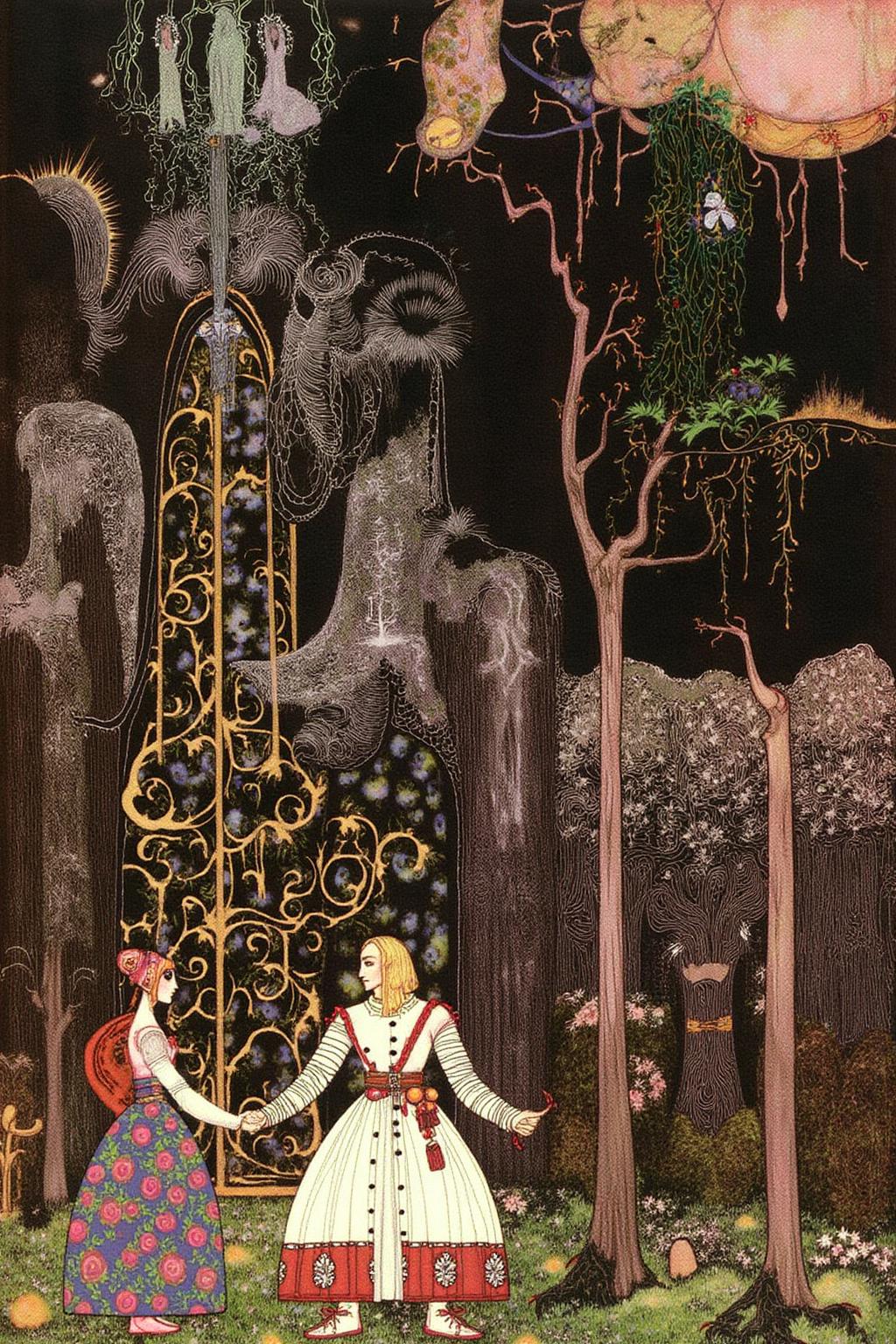
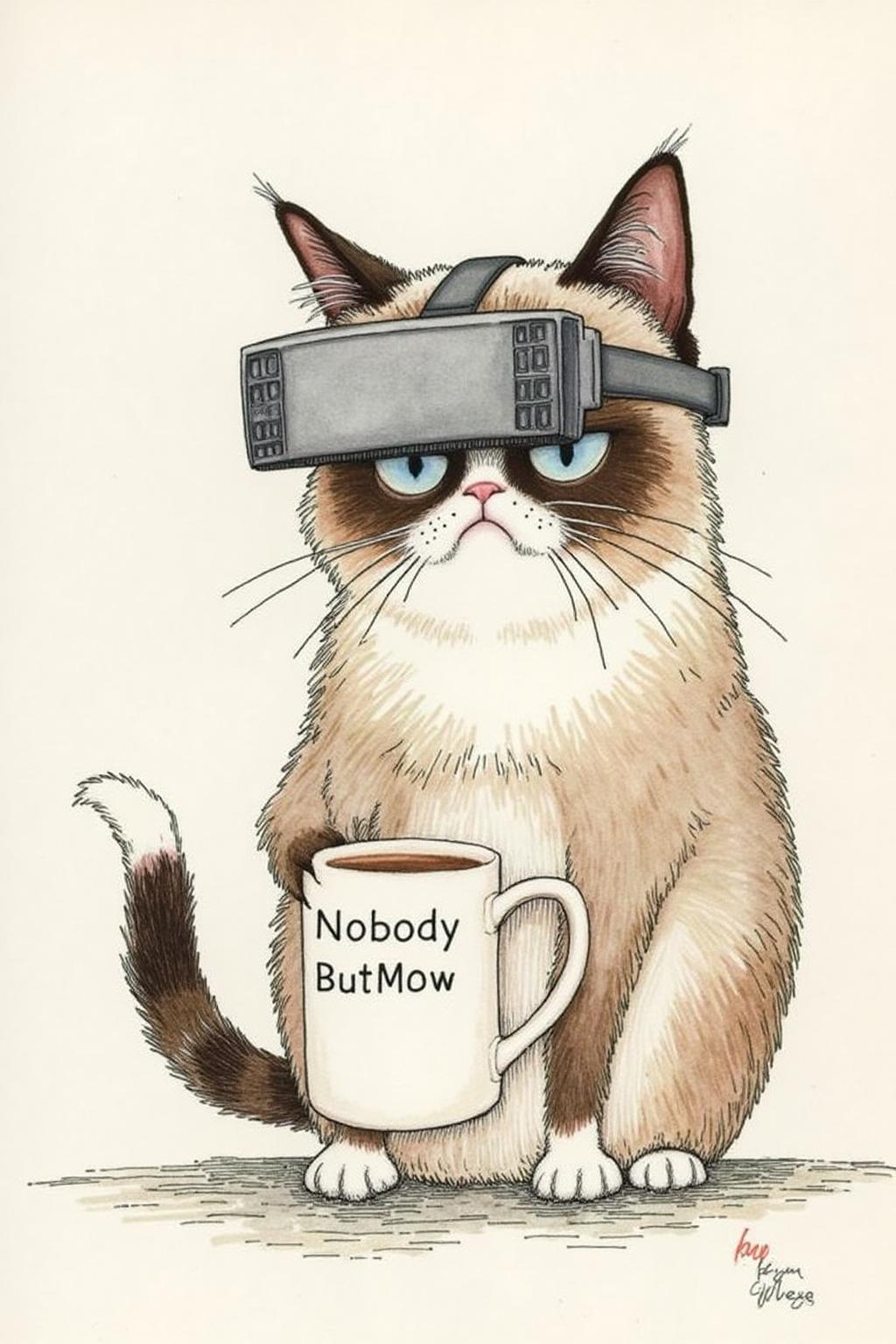
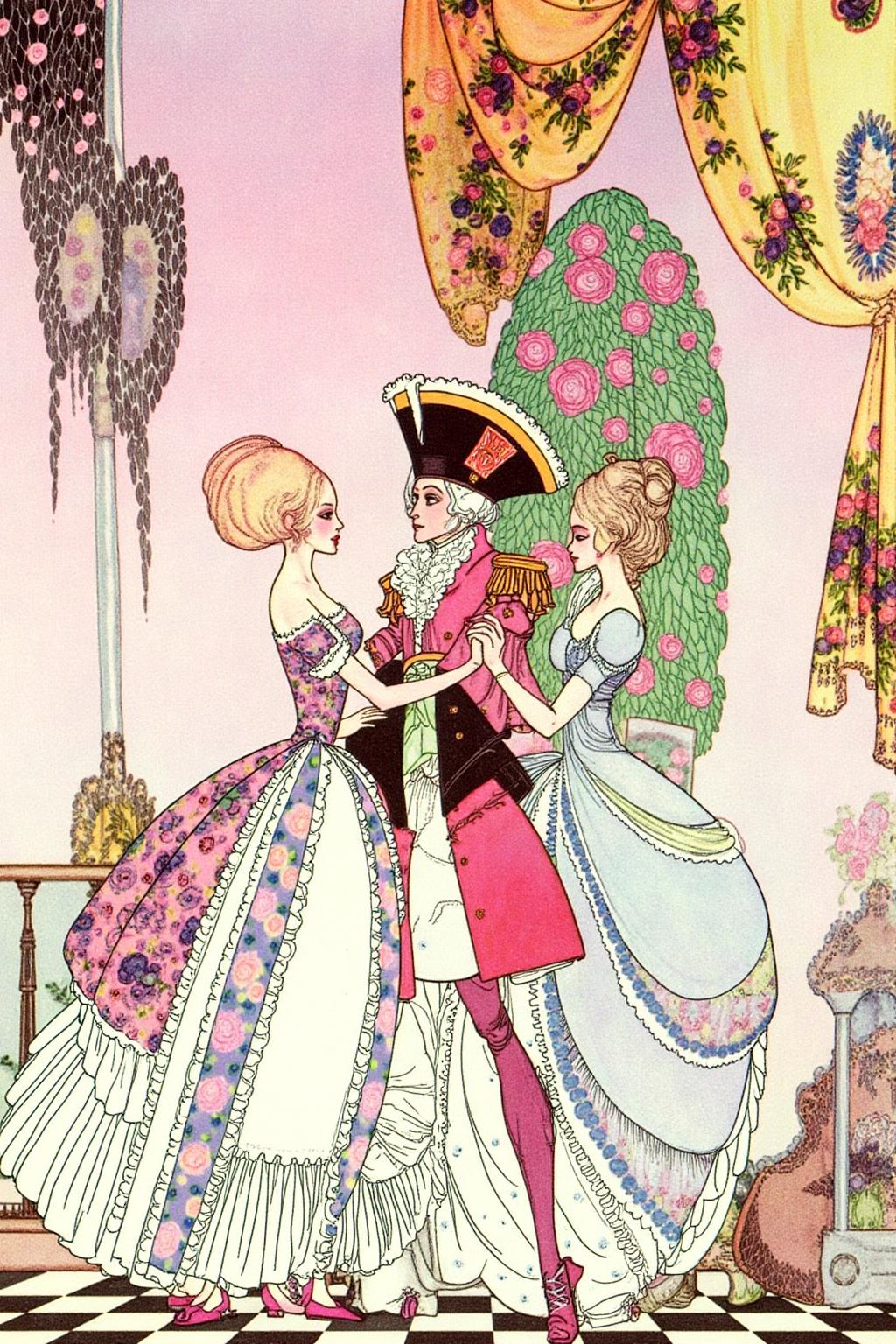
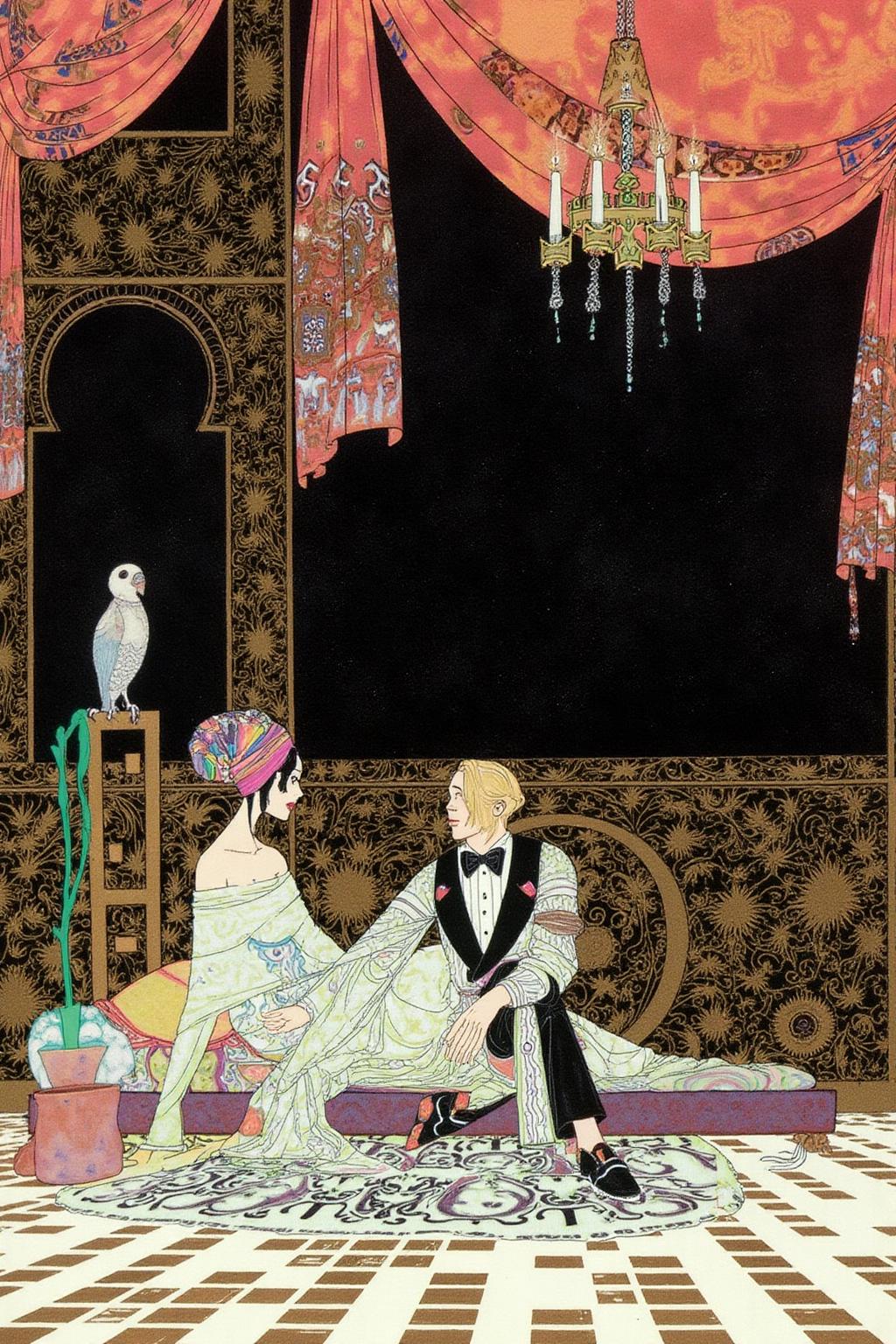
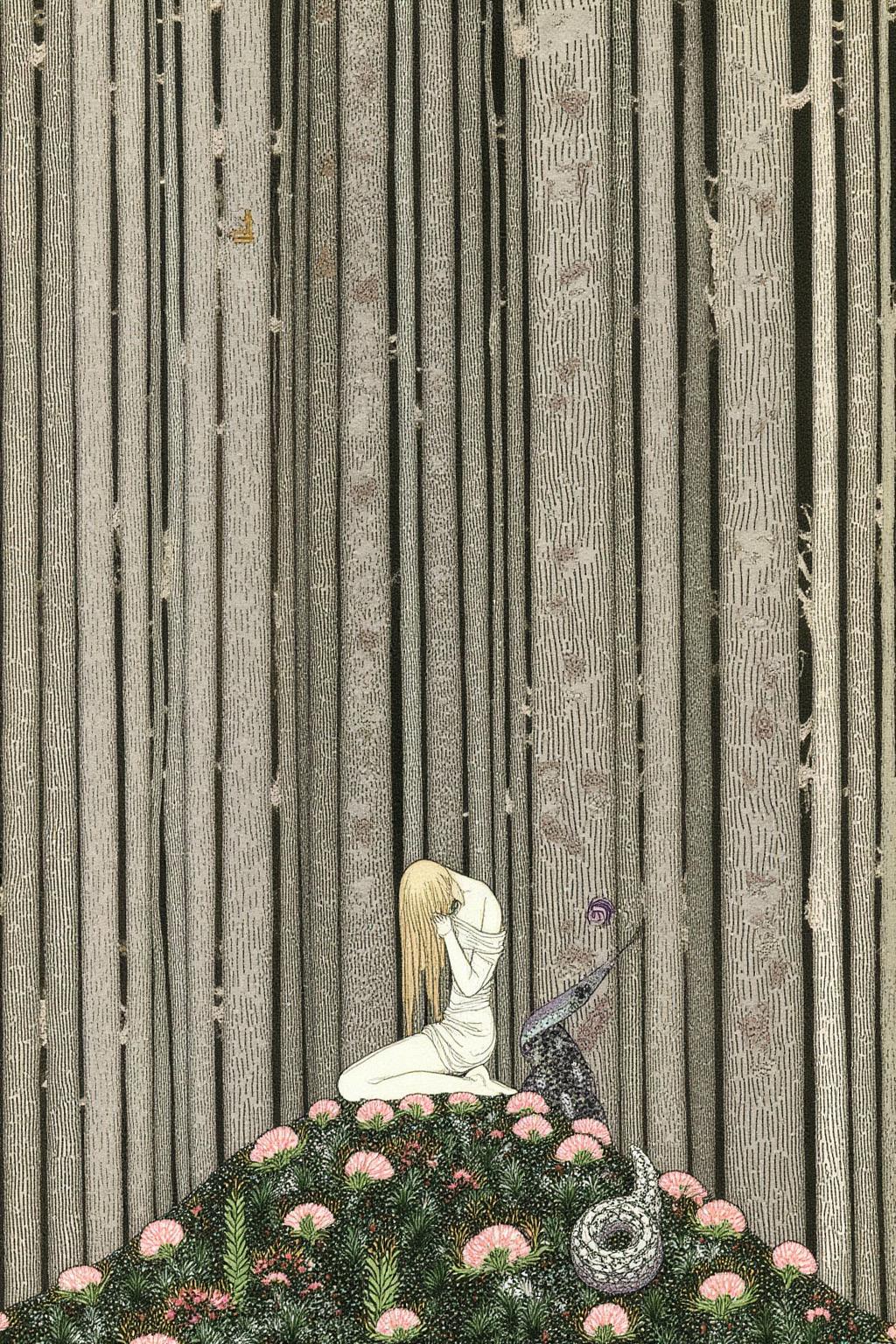
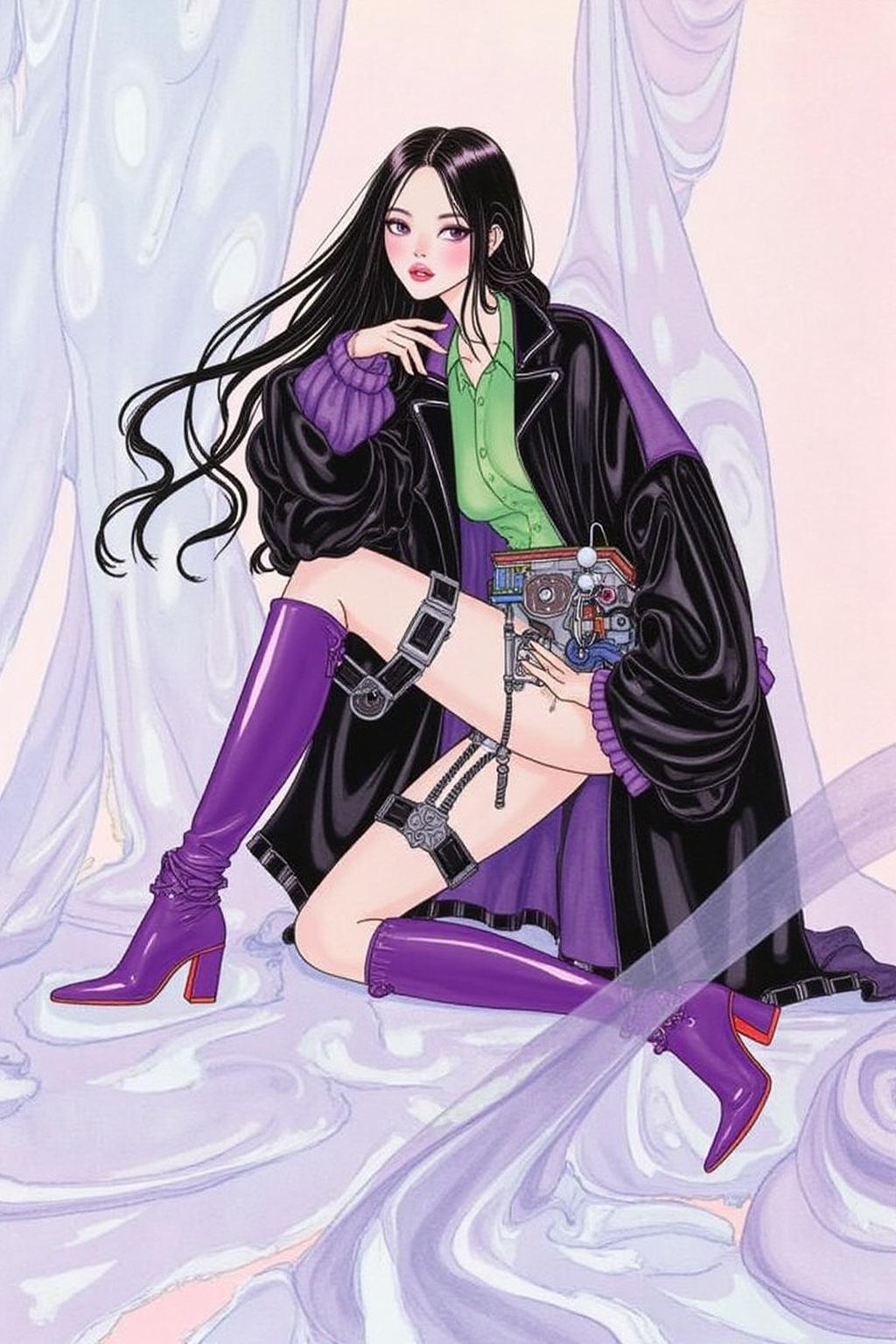
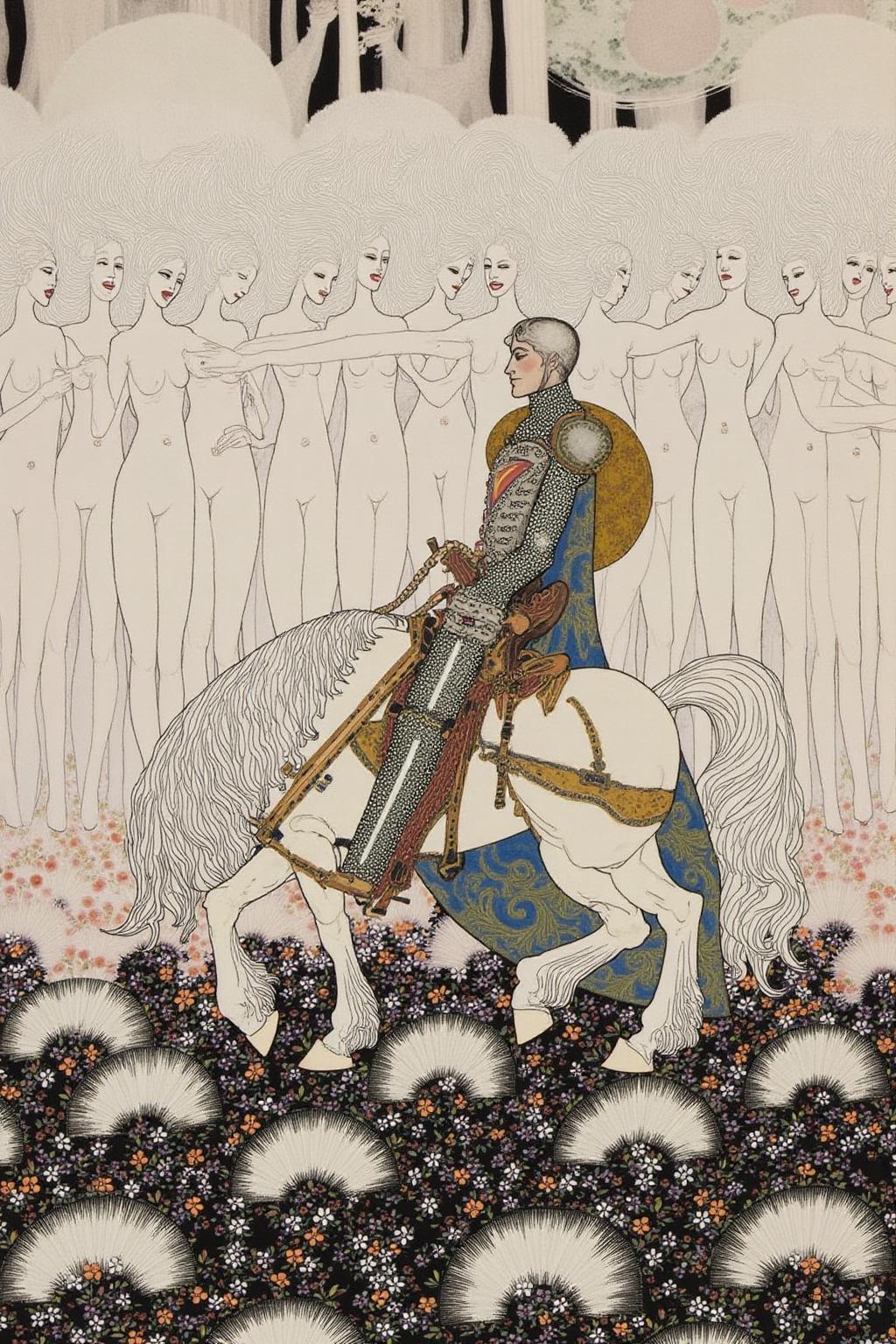
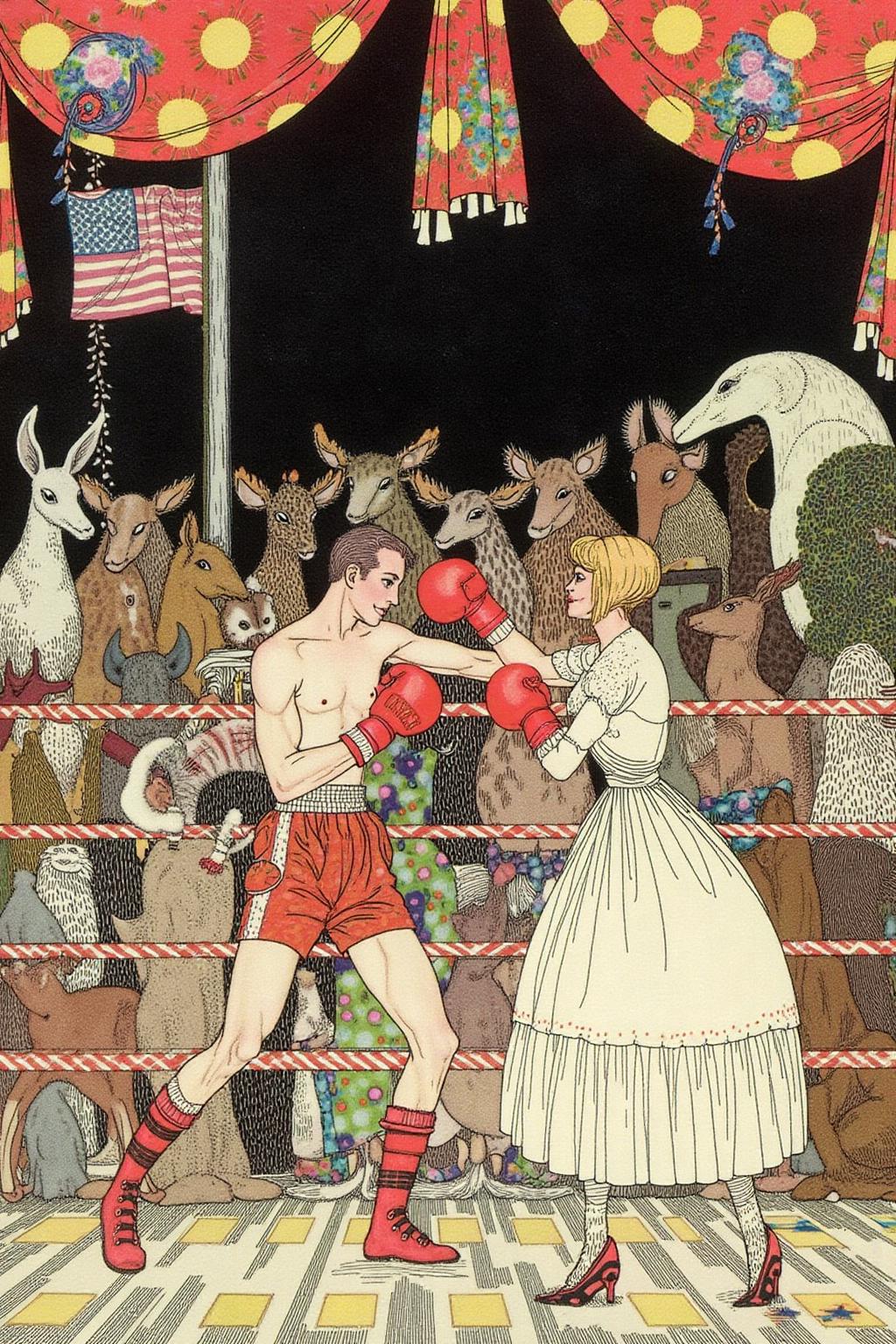
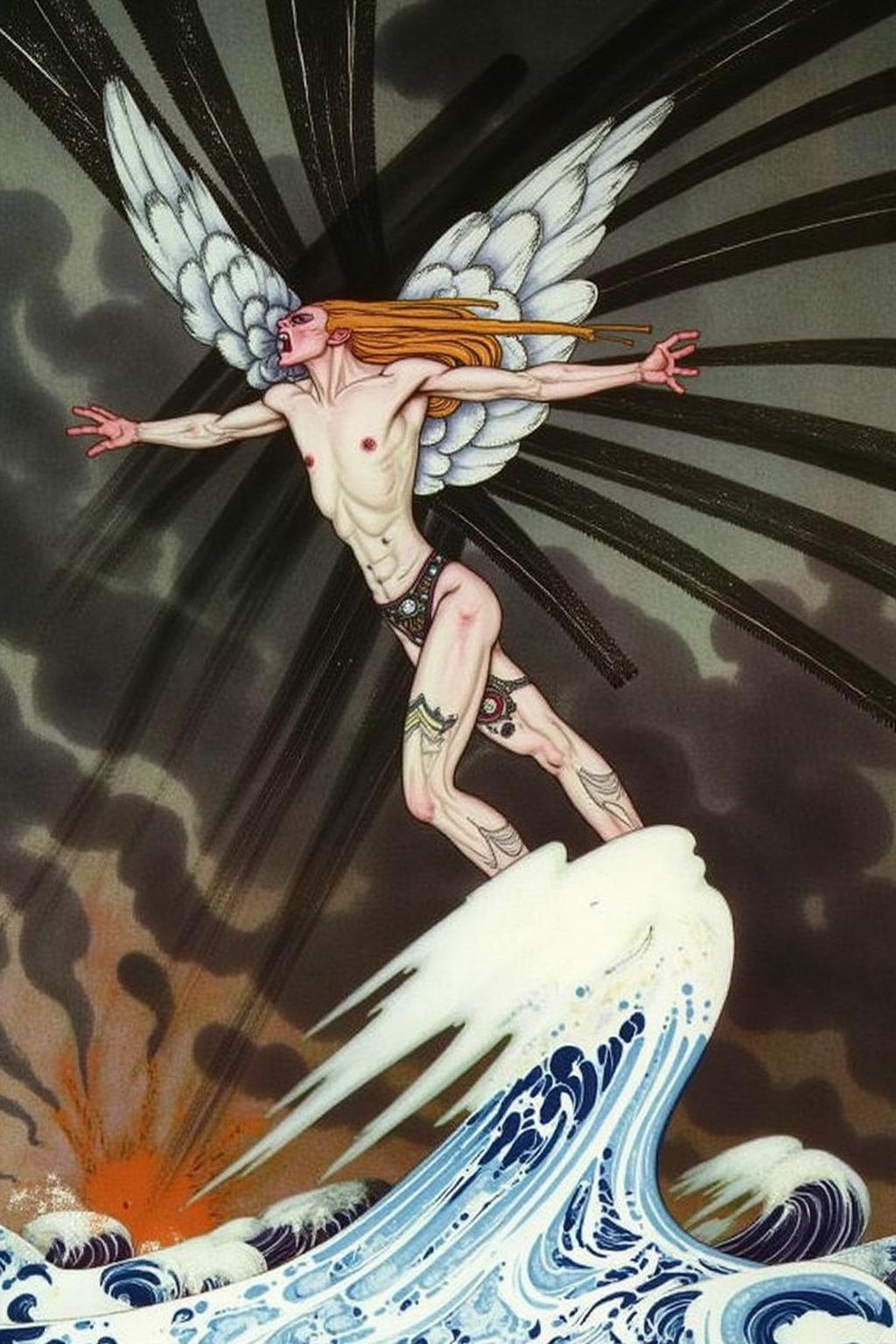
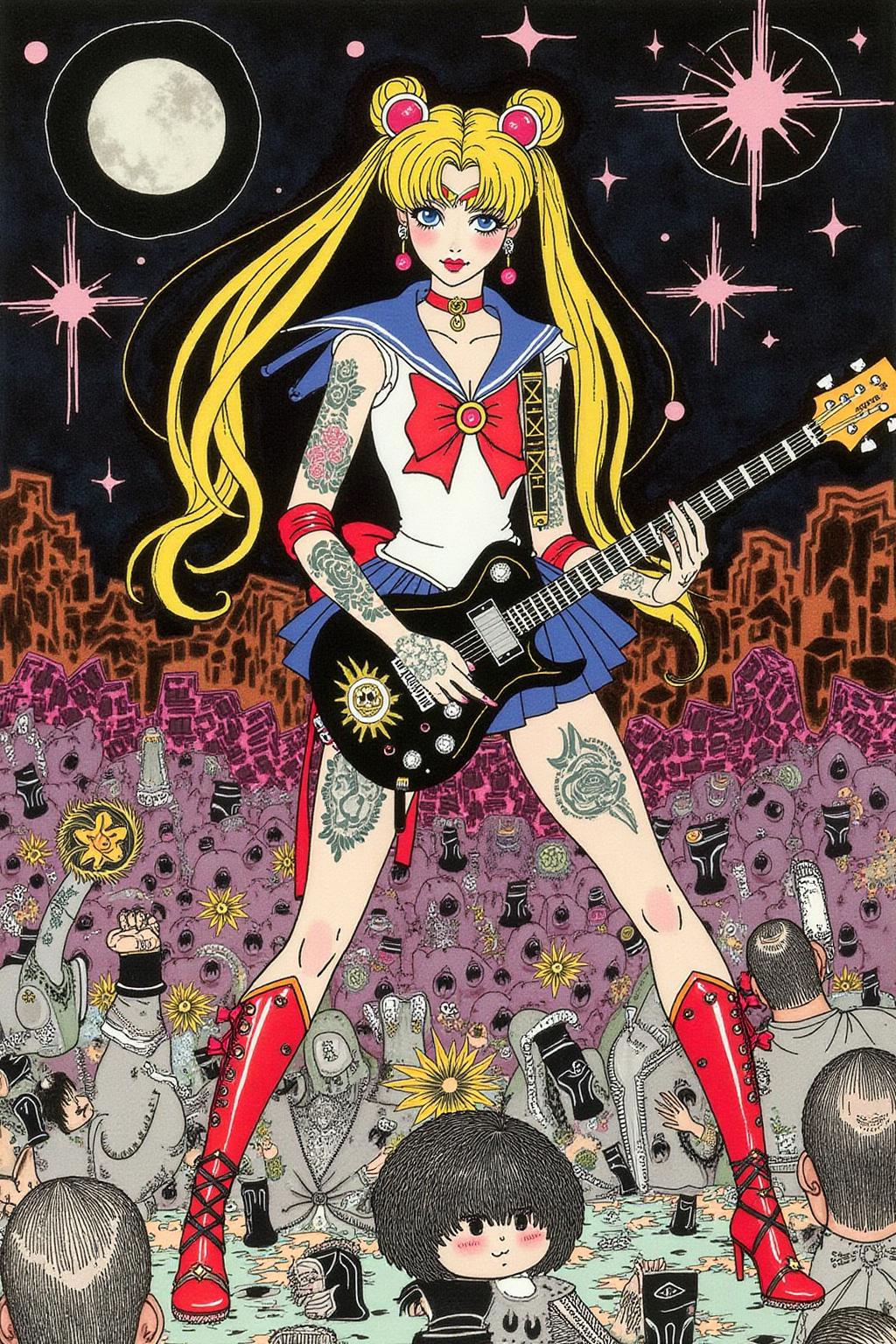
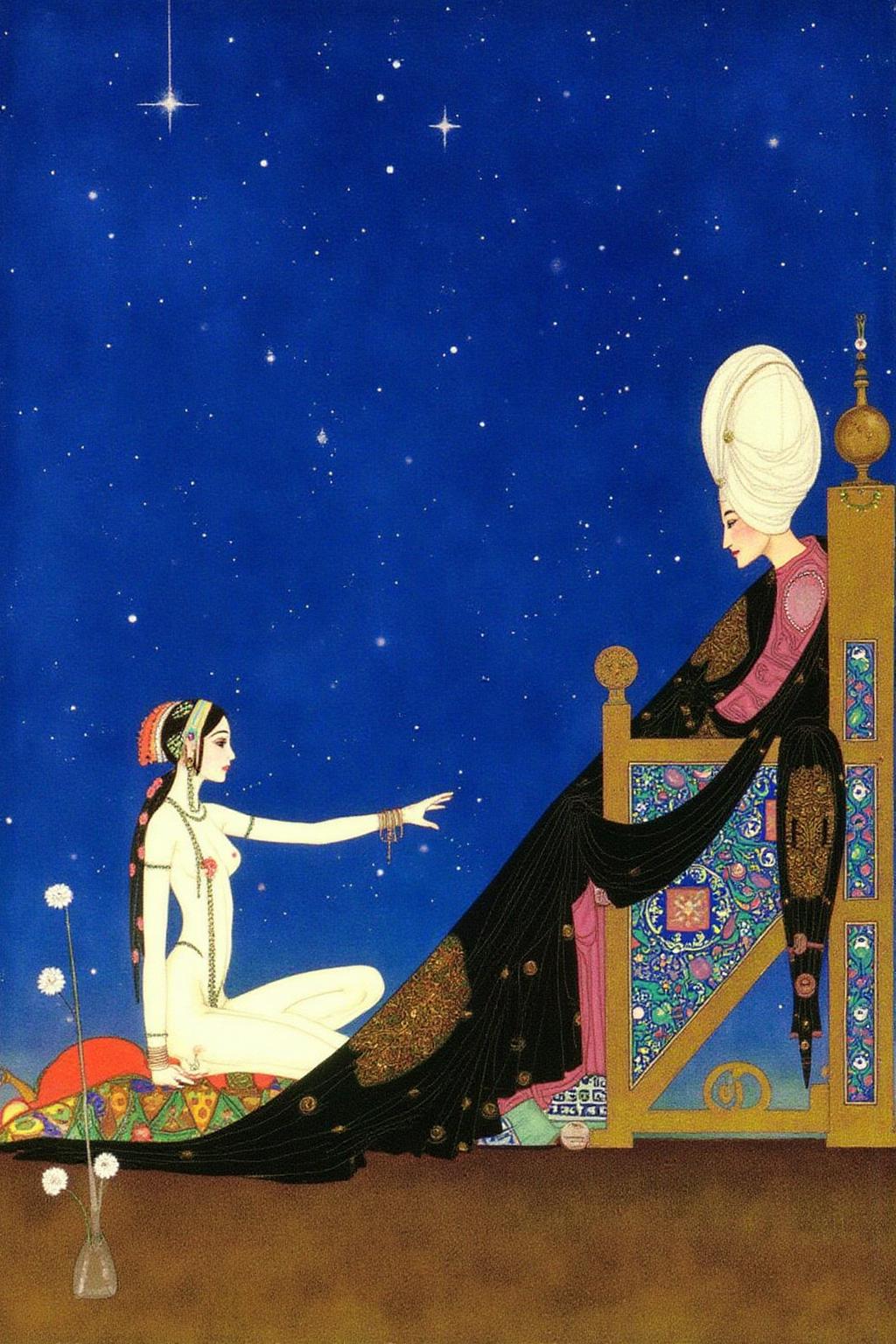
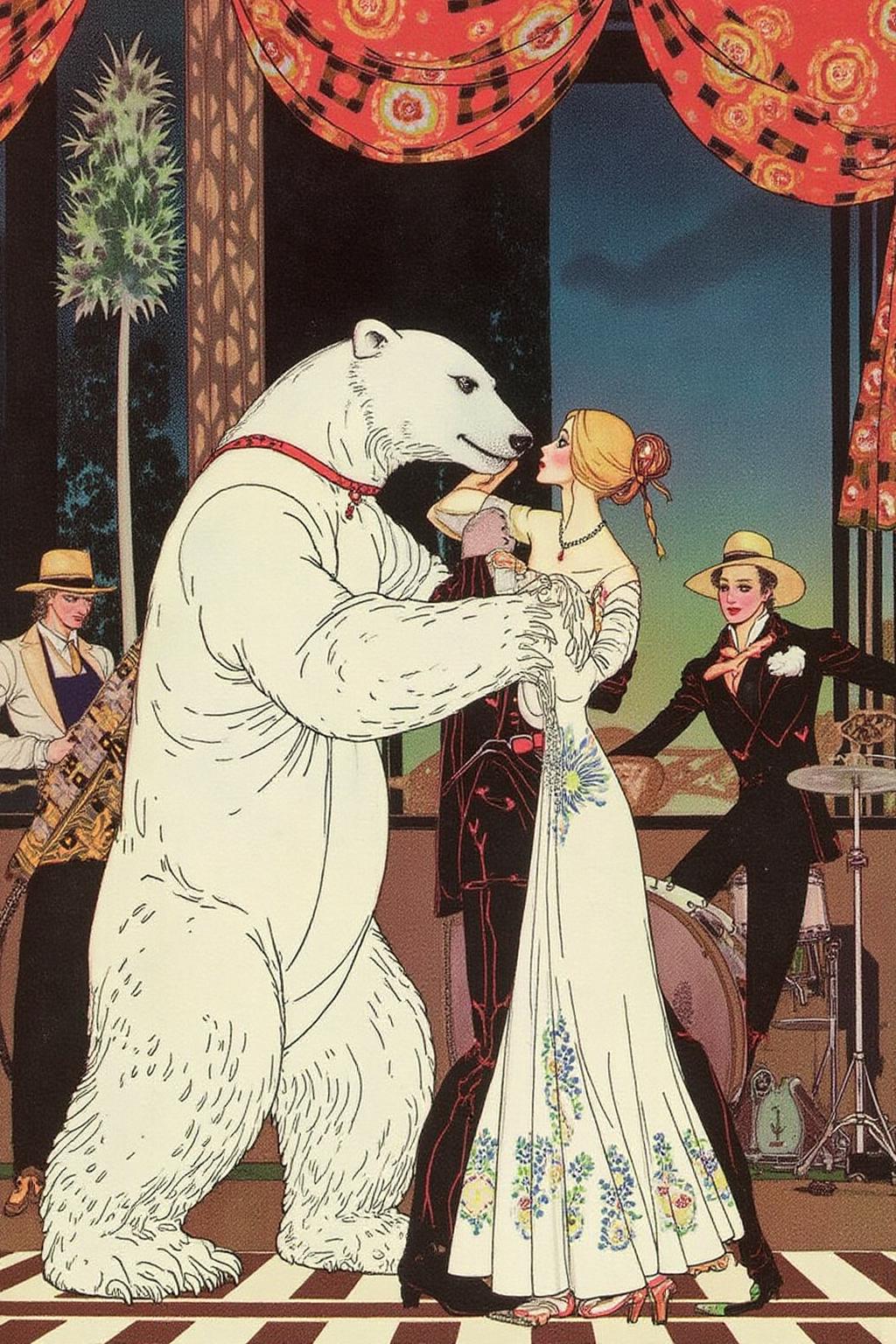
Trained on 39 color and monochrome illustrations by the Danish artist Kay Rasmus Nielsen (March 12, 1886 – June 21, 1957). He was an illustrator who was popular in the Golden Age of Illustration in the early 20th century, which lasted from when Daniel Vierge and other pioneers developed printing technology to the point that drawings and paintings could be reproduced with reasonable facility. Nielsen is also known for his collaborations with Disney, for whom he contributed many story sketches and illustrations, not least for Fantasia. To see his works, please go to
messynessychic.com/2020/02/20/oh-disney-you-never-should-have-fired-kay-nielsen/
wikiart.org/en/kay-nielsen/all-works#!#filterName:all-paintings-chronologically
libapps.libraries.uc.edu/liblog/2016/12/kay-nielsen-life-undrawn/
From ChatGPT:
Kay Nielsen (March 12, 1886 – June 21, 1957), was a Danish illustrator, theatrical designer, and visionary visual artist renowned for his exquisite fairy tale illustrations and contributions to early animation, particularly Walt Disney’s Fantasia.
🧭 Background & Biography
Born in Copenhagen, Denmark, to an artistic family—his father was director of the Royal Danish Theatre, and his mother an actress.
Studied art in Paris at the Académie Julian and Académie Colarossi, immersing himself in the Art Nouveau and Symbolist movements.
Moved to England around 1911, where he gained fame during the Golden Age of Illustration.
📚 Major Works
Nielsen is best known for his fairy tale book illustrations, which blended intricate line work, stylized forms, and dramatic compositions.
In Powder and Crinoline (1913, later reissued as The Twelve Dancing Princesses):
A book of classic fairy tales, showcasing elegant, elongated figures and flowing, rococo detail.East of the Sun and West of the Moon (1914):
Often cited as his masterpiece. His Nordic heritage informed these stylized and atmospheric illustrations of Norwegian folk tales.Hansel and Gretel and Other Stories (1925):
A darker, more gothic aesthetic emerged here, with denser compositions and a theatrical sense of tension.Stage and Scenic Designs:
He worked on set designs for theater productions and even Royal Danish Ballet performances, lending his fantasy sensibilities to the stage.Disney’s Fantasia (1940):
Hired by Walt Disney to work on the “Night on Bald Mountain” sequence. Though much of his work was deemed too dark or complex for the final version, his influence is unmistakable in the shadowy, expressive visuals.
✒️ Artistic Style
A blend of Art Nouveau, Symbolism, Orientalism, and Scandinavian folk tradition.
Highly decorative with intricate patterns, delicate color palettes, and bold, flat graphic shapes.
Known for elongated, ethereal figures, elegant line work, and dramatic contrasts of light and shadow.
Echoes the work of Aubrey Beardsley, Gustav Klimt, and fellow illustrators like Edmund Dulac and Arthur Rackham—yet with a more architectural and mystical tone.
🕯️ Later Life and Legacy
After working for Disney and in theatre, Nielsen fell into obscurity during the mid-20th century as tastes changed.
He lived modestly in Los Angeles, producing murals for churches and schools to earn a living.
Rediscovered posthumously, his work has since been celebrated for its timeless elegance, mystery, and fantasy-rich storytelling.
🌟 Influence
A direct influence on fantasy illustrators, concept artists, and animators.
Cited by modern fantasy and fashion illustrators for his expressive figures and dreamlike, symbolic landscapes.
His designs prefigured certain gothic fantasy aesthetics, influencing everything from haute couture to fantasy cinema.
Would you like a comparison of Nielsen with contemporaries like Dulac, Rackham, or even modern concept artists like Brian Froud or Yoshitaka Amano?
Here's a detailed comparison of Kay Nielsen with both his contemporaries and modern visual artists, highlighting how his style stands apart yet resonates across time.
🎨 Comparison with Contemporaries
🧚♂️ Arthur Rackham (1867–1939)
Style: Earthier, more organic, with detailed ink line work and muted watercolors.
Mood: Whimsical, sometimes grotesque; forested, foggy, and full of British folklore.
Nielsen vs. Rackham:
Nielsen leans toward refined elegance and theatricality, while Rackham evokes the mossy, knotted atmosphere of Northern woods.
Rackham’s palette is earth-toned and natural; Nielsen’s is cool, jewel-like, and ornamental.
🌟 Edmund Dulac (1882–1953)
Style: Lush, romantic, with heavy Orientalist influences and vibrant, often gold-tinged color.
Mood: Dreamy, exotic, sensual.
Nielsen vs. Dulac:
Both shared a taste for sumptuous detail and myth, but Nielsen’s forms are more geometric, stylized, and restrained.
Dulac emphasized rich textures and emotional warmth; Nielsen veered toward austere beauty and dramatic composition.
🎭 Aubrey Beardsley (1872–1898)
Style: Black-and-white, stark, erotic, and graphic.
Mood: Decadent, provocative, often minimal in palette.
Nielsen vs. Beardsley:
Nielsen's elegance and ornamental flair echo Beardsley’s line work.
However, Nielsen's themes are more ethereal and fantastical, while Beardsley’s were risqué and satirical.
🧚♀️ Comparison with Modern Artists
🎥 Brian Froud (b. 1947)
Known for The Dark Crystal and Labyrinth, Froud channels the folkloric spirit and fantasy elegance of artists like Nielsen.
Similarities: Mythic storytelling, attention to costume and gesture, stylized fantasy realism.
Difference: Froud’s work is more earthy, mischievous, and rooted in fae and goblin lore.
🎨 Yoshitaka Amano (b. 1952)
Japanese artist best known for Final Fantasy and Vampire Hunter D.
Similarities: Ethereal characters, elongated forms, floating compositions, use of gold and pastel.
Difference: Amano incorporates Japanese ink traditions and manga influences, while Nielsen’s visual DNA is distinctly European Art Nouveau.
👗 Modern Fashion Illustrators (e.g., David Downton, Erté)
Nielsen’s sinuous lines and attention to costume directly prefigure Art Deco fashion drawing.
Erté (1892–1990), in particular, is a spiritual cousin—both use stylization, ornament, and fantasy couture.
✨ In Summary
Artist vs Nielsen
Rackham Shared fantasy roots; Nielsen is more elegant and graphic
Dulac Both decorative; Nielsen more minimalist and geometric
Beardsley Graphic elegance and linework, minus the erotic charge
Brian Froud Fantasy storytelling, with Nielsen’s aesthetic legacy
Yoshitaka Amano Stylized fantasy and elongated figures with a shared ethereality
Erté Decorative theatricality and fashion sensibility