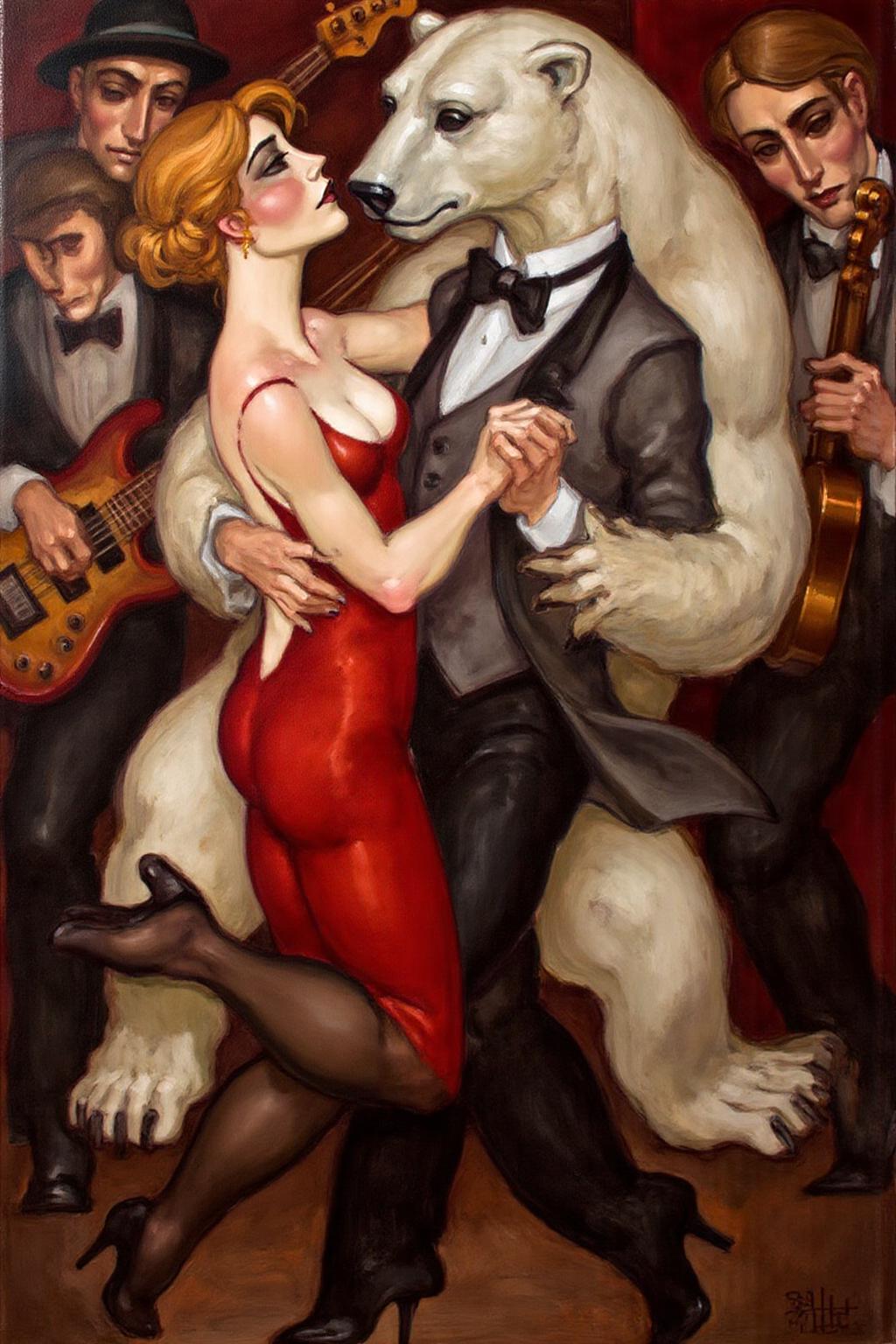
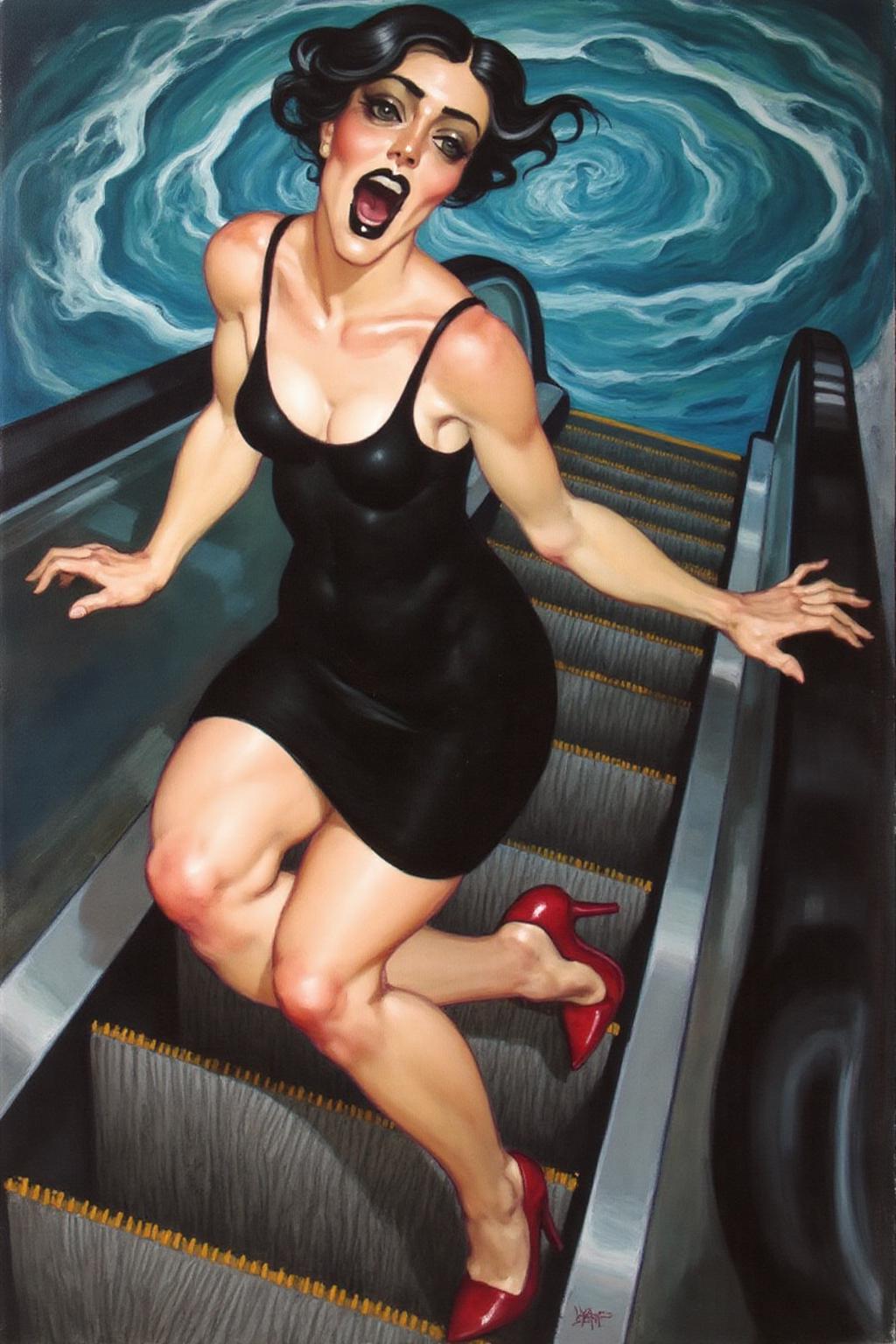
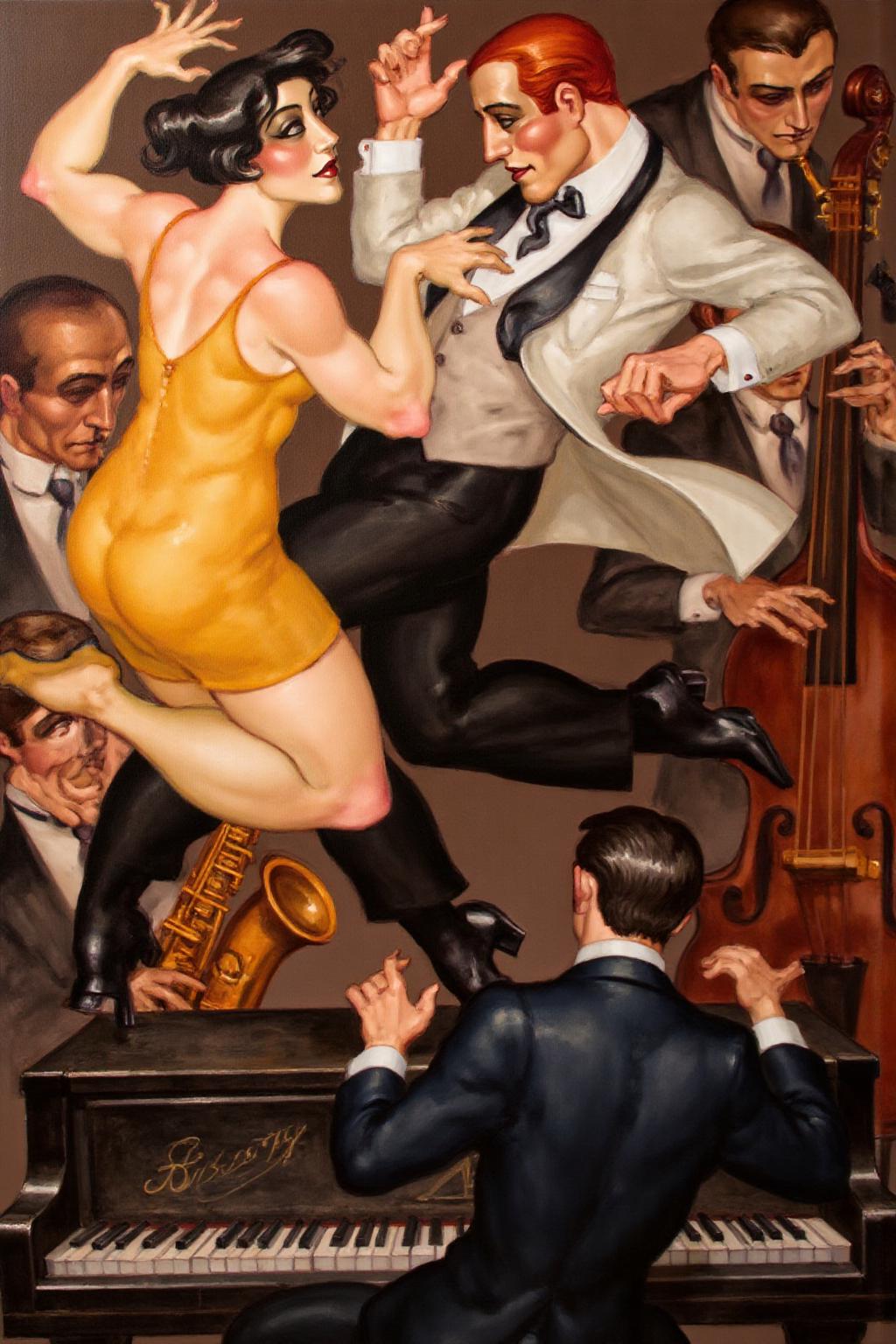
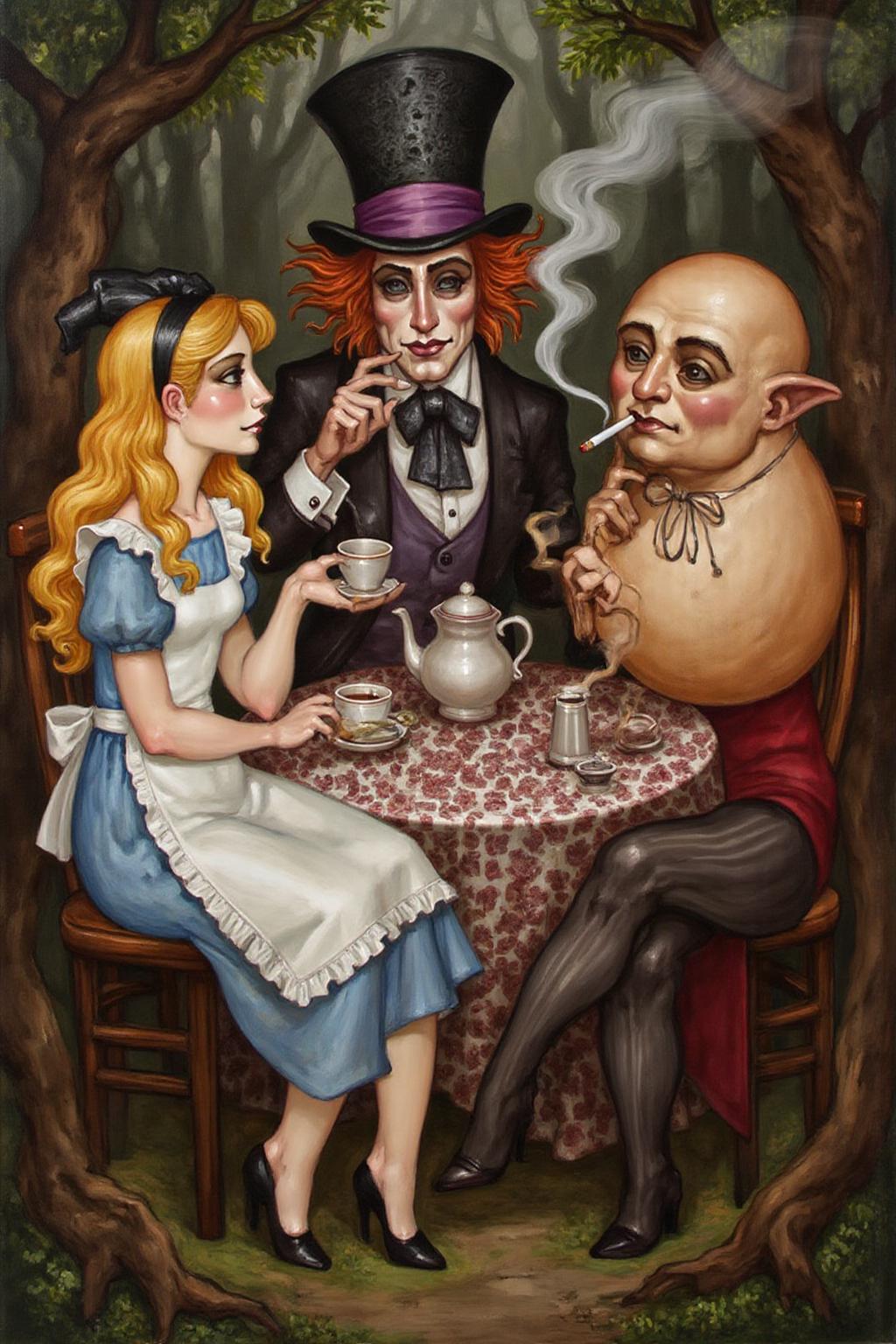
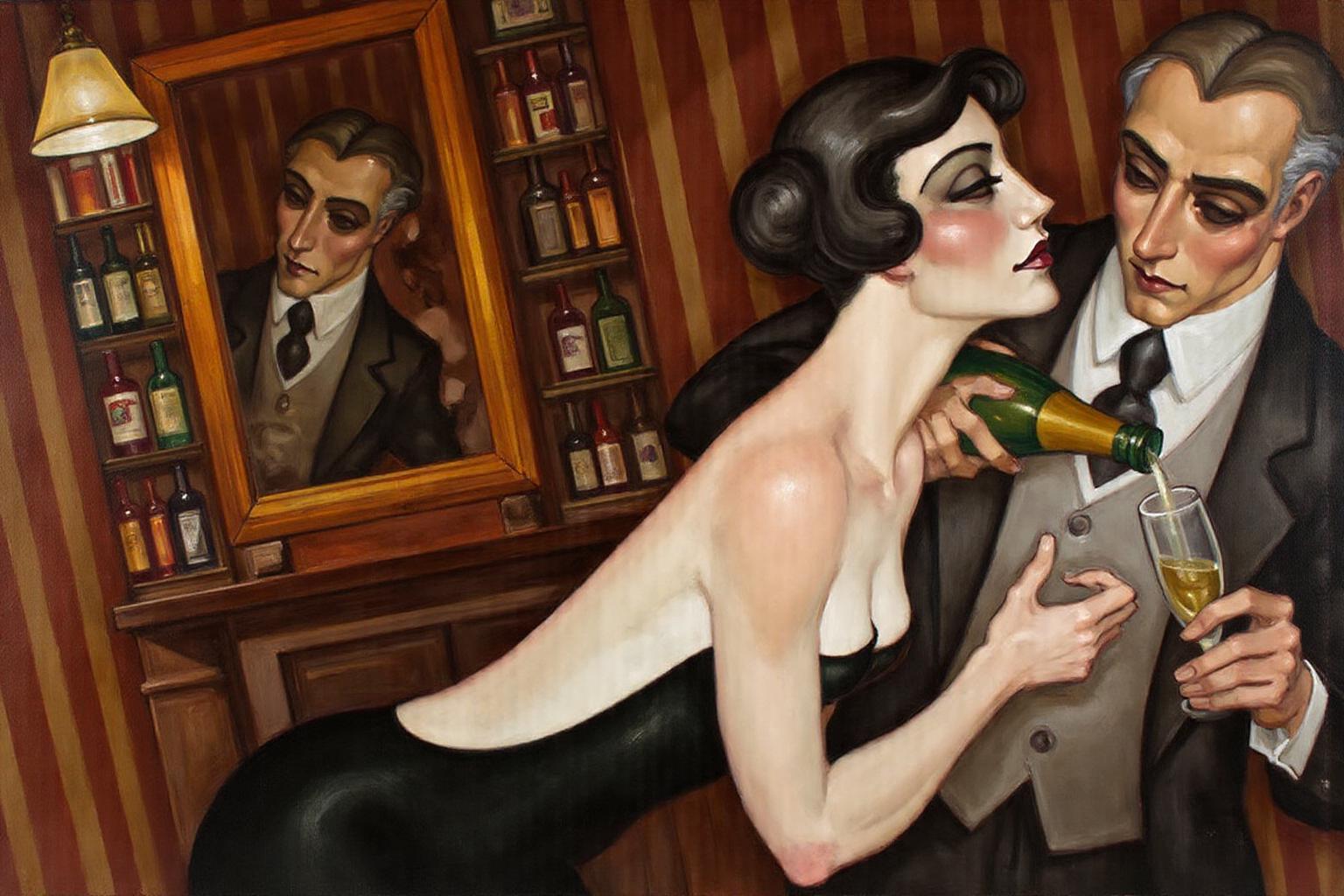
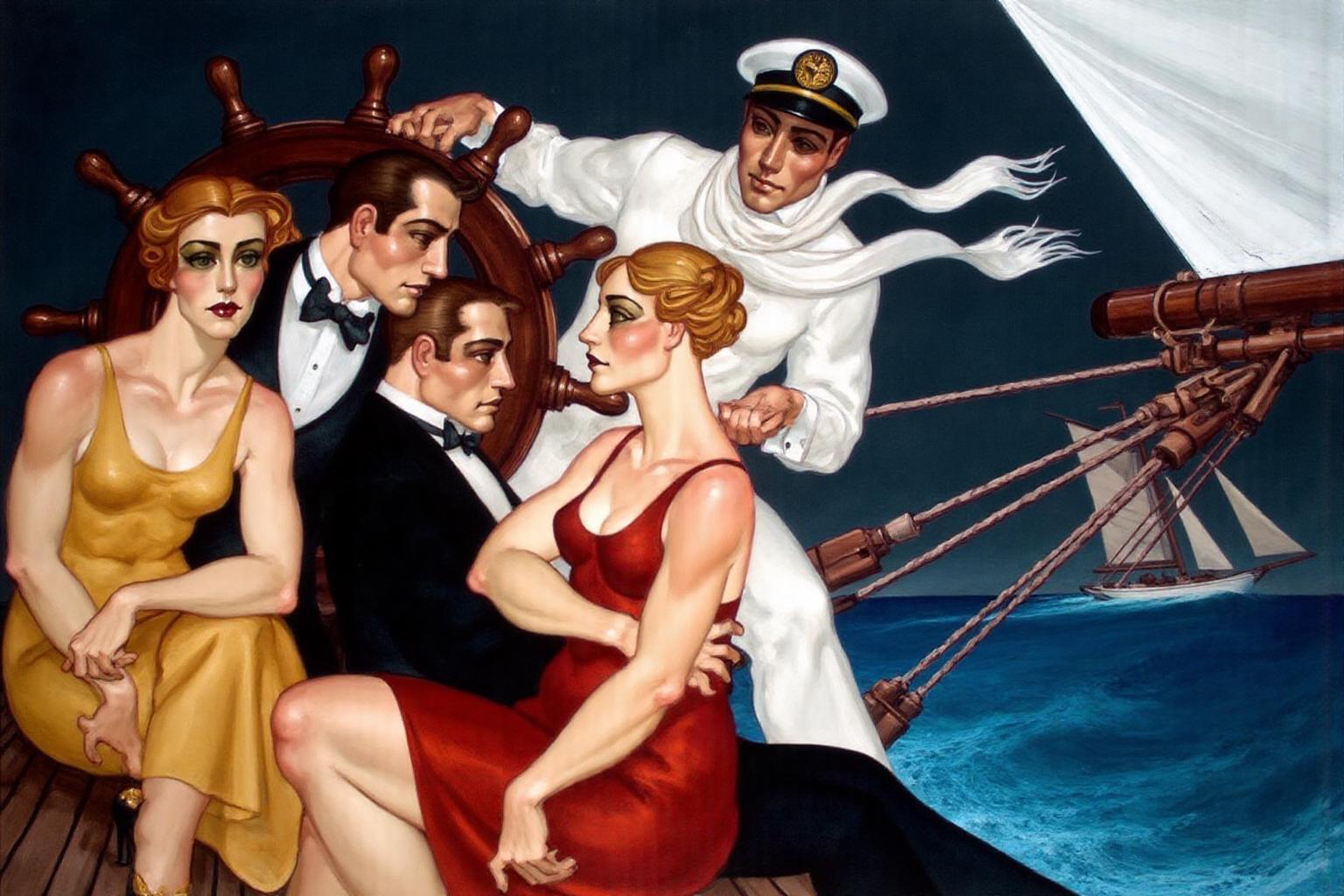
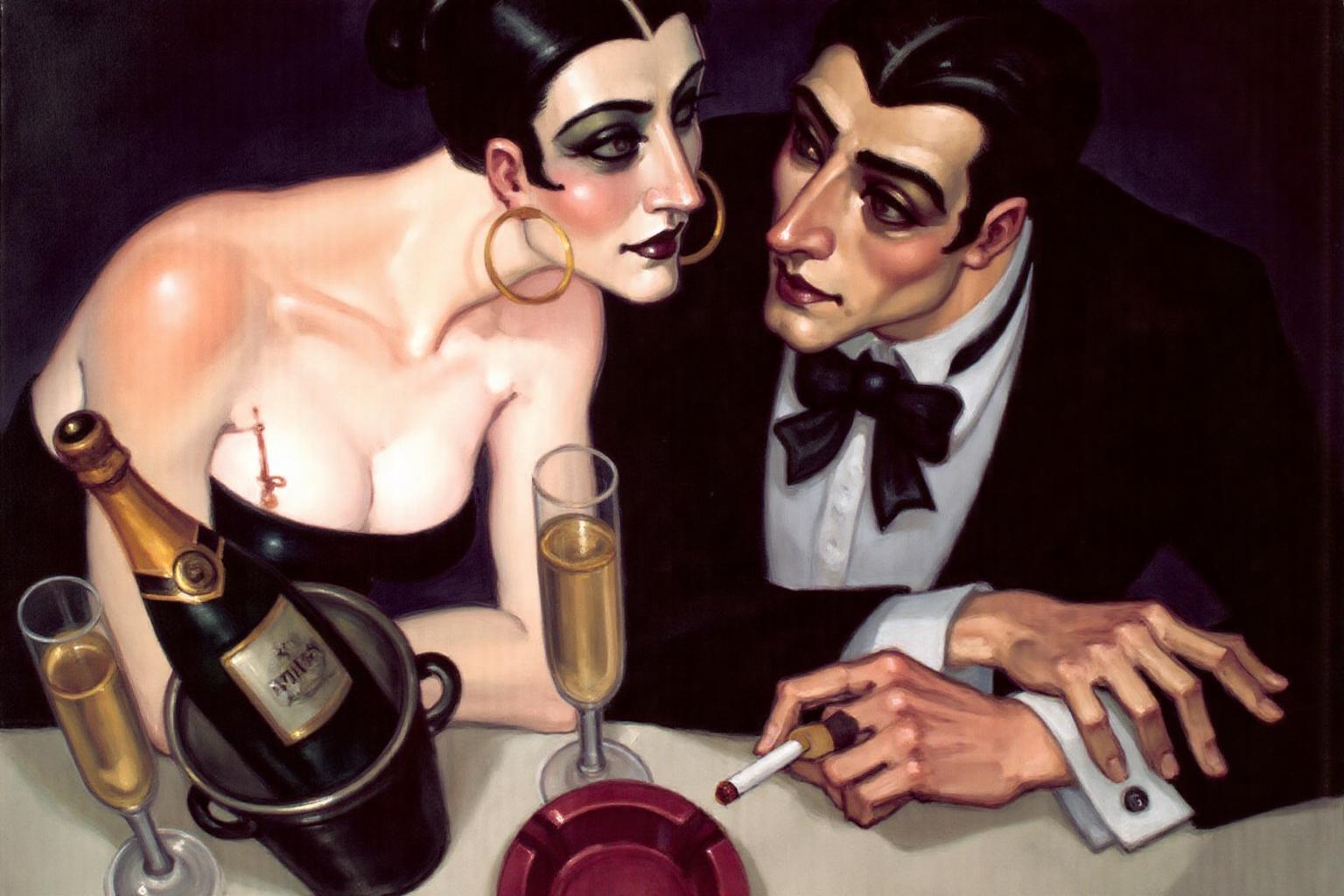
Machado About Nothing: Juarez Machado Art Deco Surrealist Painting Style









Details
Download Files (1)
About this version
Model description
Inspired by the works of the Brazilian artist Juarez Machado (born 1941 in Joinville, Santa Catarina, Brazil). To see his works, please go to artnet.com/artists/juarez-machado
From ChatGPT:
.jpg) Juarez Machado, in 2018.
Juarez Machado, in 2018.
🎨 An Artist of Elegant Surrealism and Playful Drama
Juarez Machado (born 1941 in Joinville, Santa Catarina, Brazil) is a Brazilian painter, sculptor, set designer, and illustrator, born in Joinville, Santa Catarina, in 1941. His style is instantly recognizable—marked by elongated figures, dramatic lighting, and a sense of theatrical poise that recalls both surrealist fantasy and Art Deco elegance.
🖌️ Artistic Style and Themes
Machado’s work blends narrative figuration with surreal atmospheres, often capturing moments of intrigue, humor, and seduction. Some key features of his style:
Dramatic composition: Figures often appear mid-gesture, caught in choreographed scenes—like dancers or actors on a dimly lit stage.
Use of color: Warm, sensual tones—especially reds, blacks, and ochres—give his scenes a sense of vintage glamour.
Architectural elements: Interiors, staircases, windows, and mirrors form intricate spaces that add mystery and depth.
Recurring motifs: Red-haired women, theatrical masks, musical instruments, and elegantly dressed figures appear throughout his oeuvre.
Machado often explores themes of time, desire, secrecy, and the tension between private and public personas.
🧳 Life and Career
Machado studied at the Escola Nacional de Belas Artes in Rio de Janeiro.
In the 1970s, he moved to Paris, where he continues to live and work. His work is highly celebrated in both Brazil and France.
Beyond painting, Machado has worked in television set design, theater, and book illustration.
He has exhibited widely across Europe, South America, and North America, and is known for his strong voice as a cultural ambassador of Brazilian art abroad.
🎭 Legacy and Influence
Juarez Machado is often likened to Balthus, Magritte, and Edward Hopper, for his moody yet detailed compositions and subtle psychological tension. However, his distinctly Brazilian flair, sense of humor, and stage-like settings set him apart.
While not formally part of Surrealism, his work evokes a dreamlike sophistication that blends narrative with fantasy. His paintings have been embraced by collectors of figurative art, as well as fans of fine illustration, Art Deco revival, and modern theatrical design.
🎨 Juarez Machado in Context
Below is a side‑by‑side look at Juarez Machado and five artists who share a kinship of elegant figurative drama, but who diverge in mood, technique, and cultural voice.
1. Balthus (Balthasar Klossowski, 1908‑2001)
Shared ground – Theatre‑like staging, elongated limbs, hushed tension, a taste for the clandestine moment.
Key difference – Balthus’s surfaces are matte and classical, his narratives psychologically charged and often unsettling; Machado bathes his scenes in warmer color and sly humour, letting seduction feel playful rather than disquieting.
Shared ground – Art‑Deco glamour, stylised curves, a cinematic fascination with fashion and desire.
Key difference – Lempicka paints hard‑edged chrome luxury and cool, aerodynamic bodies; Machado swaps chrome for velvet—his brushwork softer, his palette earthier, and his mise‑en‑scène more narrative than iconic.
Shared ground – Carefully lit interiors, solitary figures poised as if mid‑scene.
Key difference – Hopper is the poet of isolation and still air; Machado is the choreographer of movement and social intrigue. One paints silence, the other paints the instant just before the tango’s next step.
Shared ground – Retro ambience, flirtatious vignettes, anonymous narratives that invite the viewer to script the back‑story.
Key difference – Vettriano’s lighting is hard and cinematic noir; Machado’s is painterly, Baroque‑warm, and filtered through Parisian cabaret and Brazilian carnival.
Shared ground – Night‑club reds, spotlight highlights, dancers and musicians caught in dramatic gesture.
Key difference – Perez is all chiaroscuro passion and smoky back rooms; Machado tempers the heat with wit, compositional grace, and a hint of surreal stagecraft.
🪡 Thread that Unites Them
All six artists treat the human figure as actor and the canvas as stage. What singles Juarez Machado out is his Latin‑European fusion: Parisian theatrical polish over a Brazilian rhythm of colour and cheek. Where others probe angst, iconography, or noir romance, Machado’s work dances—sometimes literally—between elegance and mischief.