Amur Stonechat




详情
下载文件 (1)
模型描述
📌 Taxonomy
Scientific name: Saxicola stejnegeri
Common name: Amur Stonechat
Family: Muscicapidae (Old World flycatchers)
Genus: Saxicola
Close relatives: European Stonechat (Saxicola rubicola), Siberian Stonechat (Saxicola maurus).
📏 Size and Shape
Small passerine bird, about 12–13 cm long.
Weight ranges 12–16 g.
Compact body with a relatively short tail and rounded wings.
Upright posture, often perched on grasses or shrubs.
🎨 Appearance
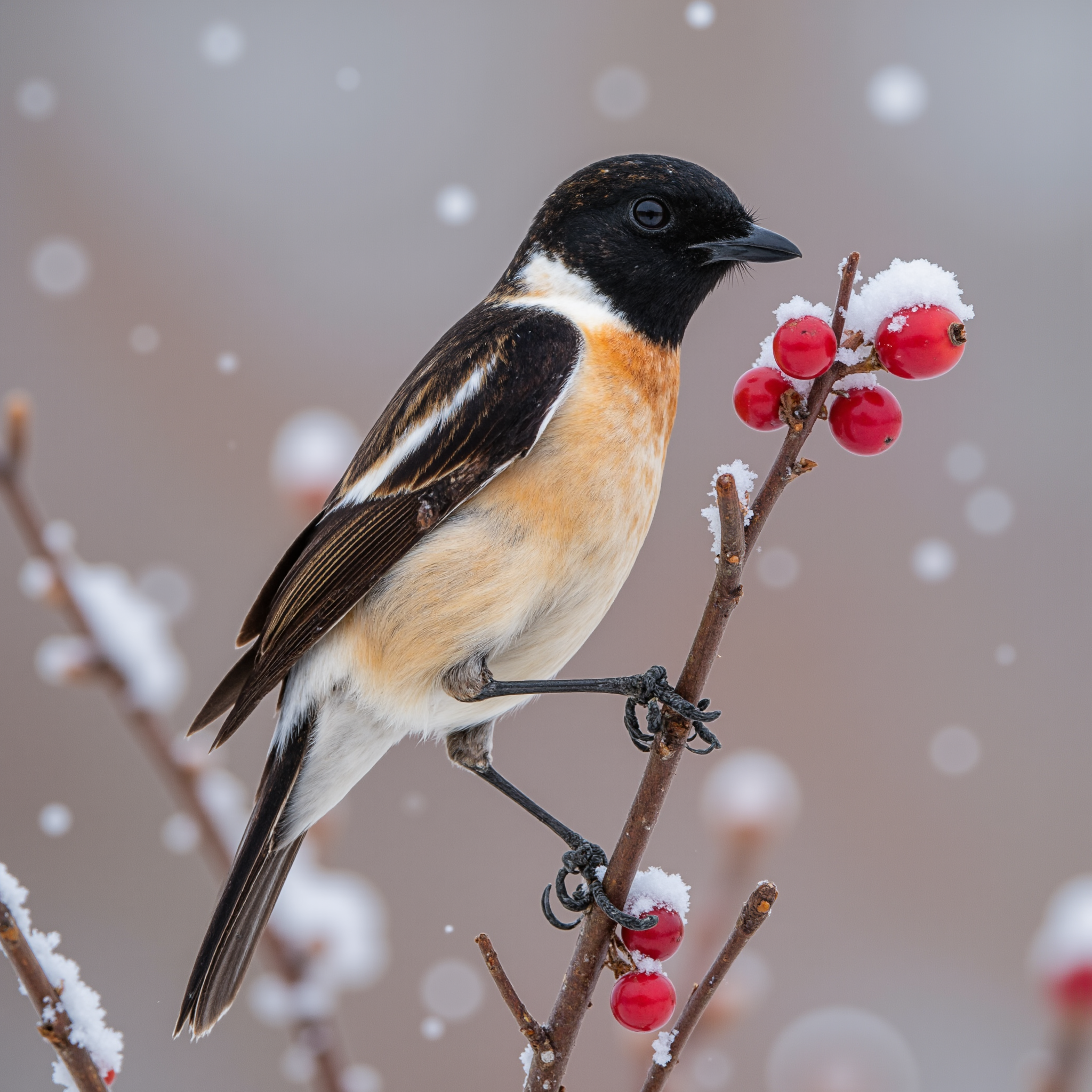
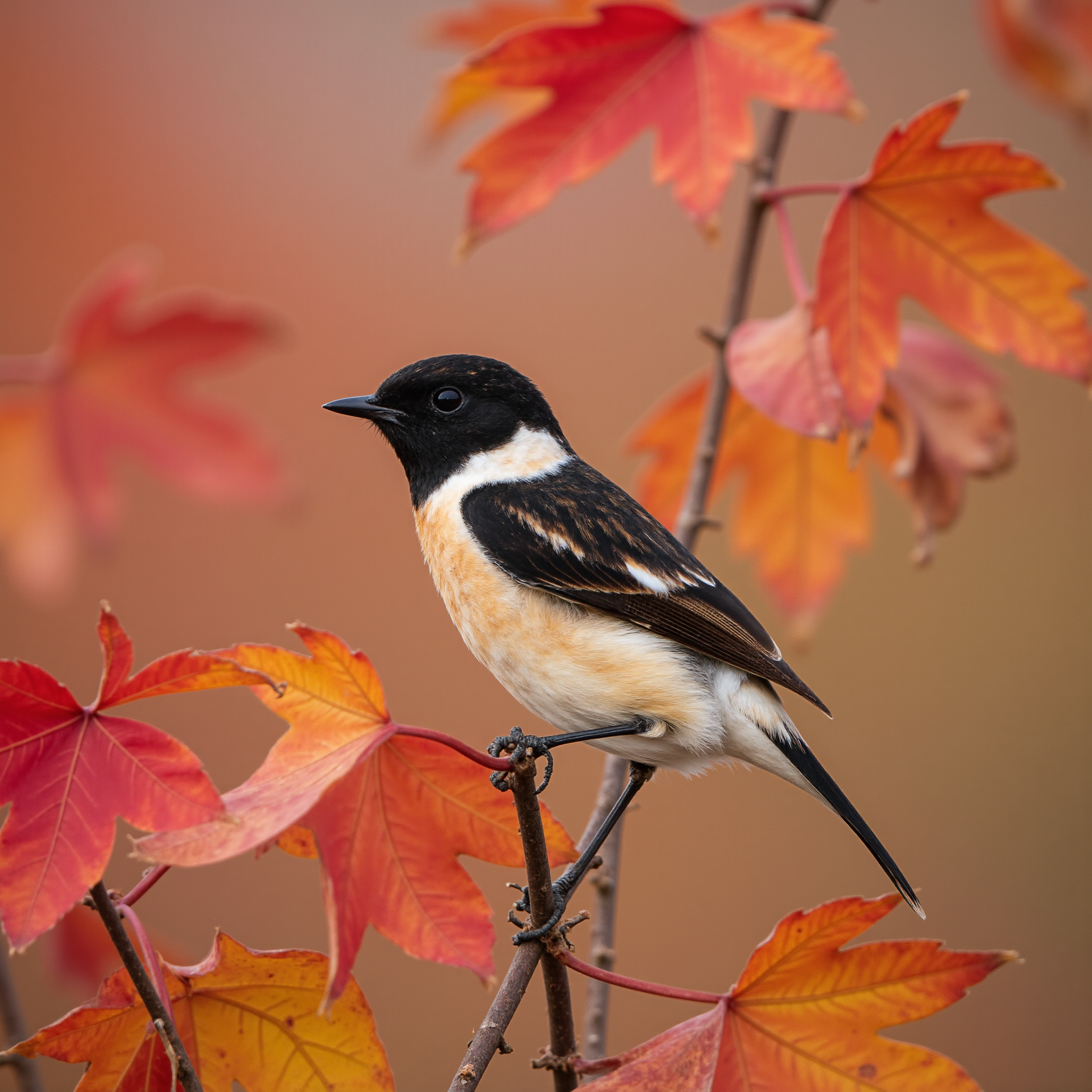
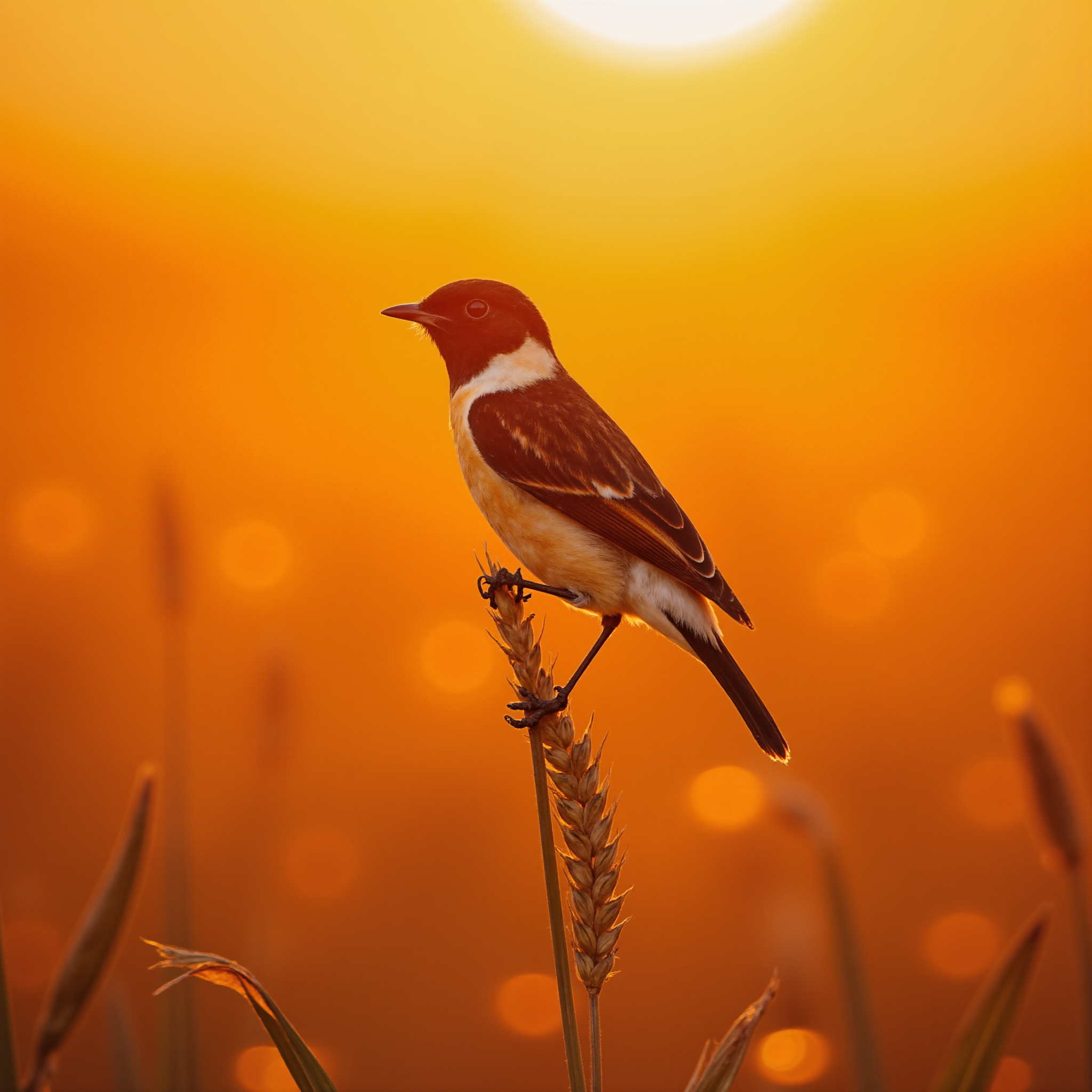
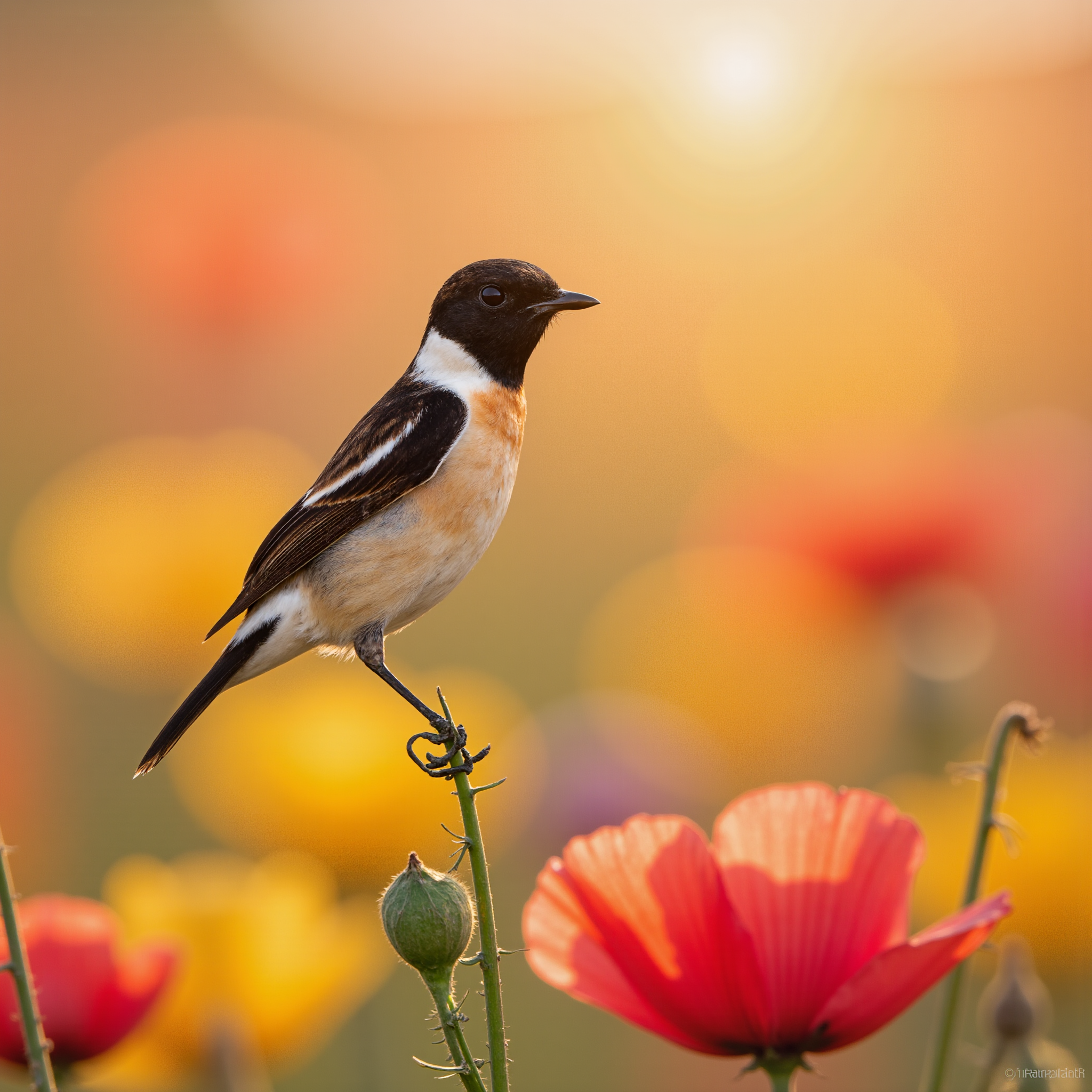
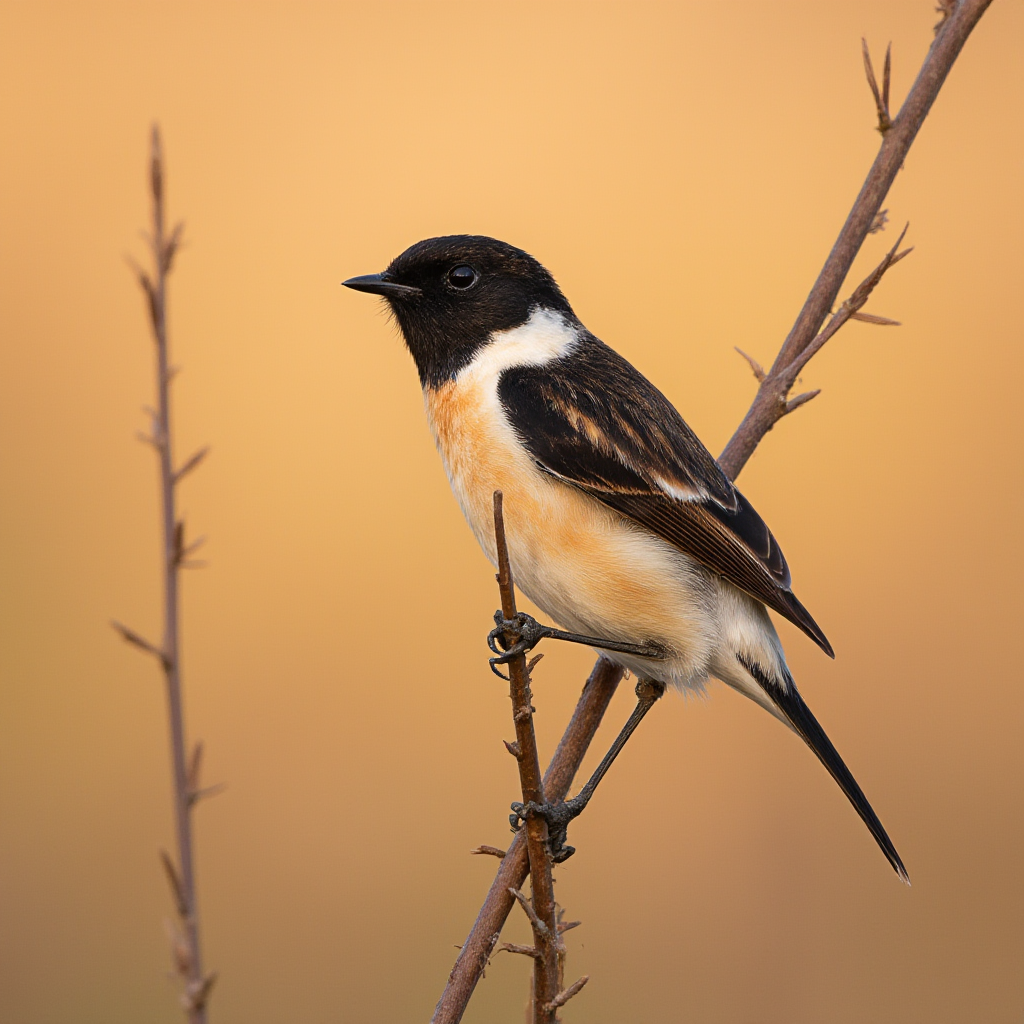
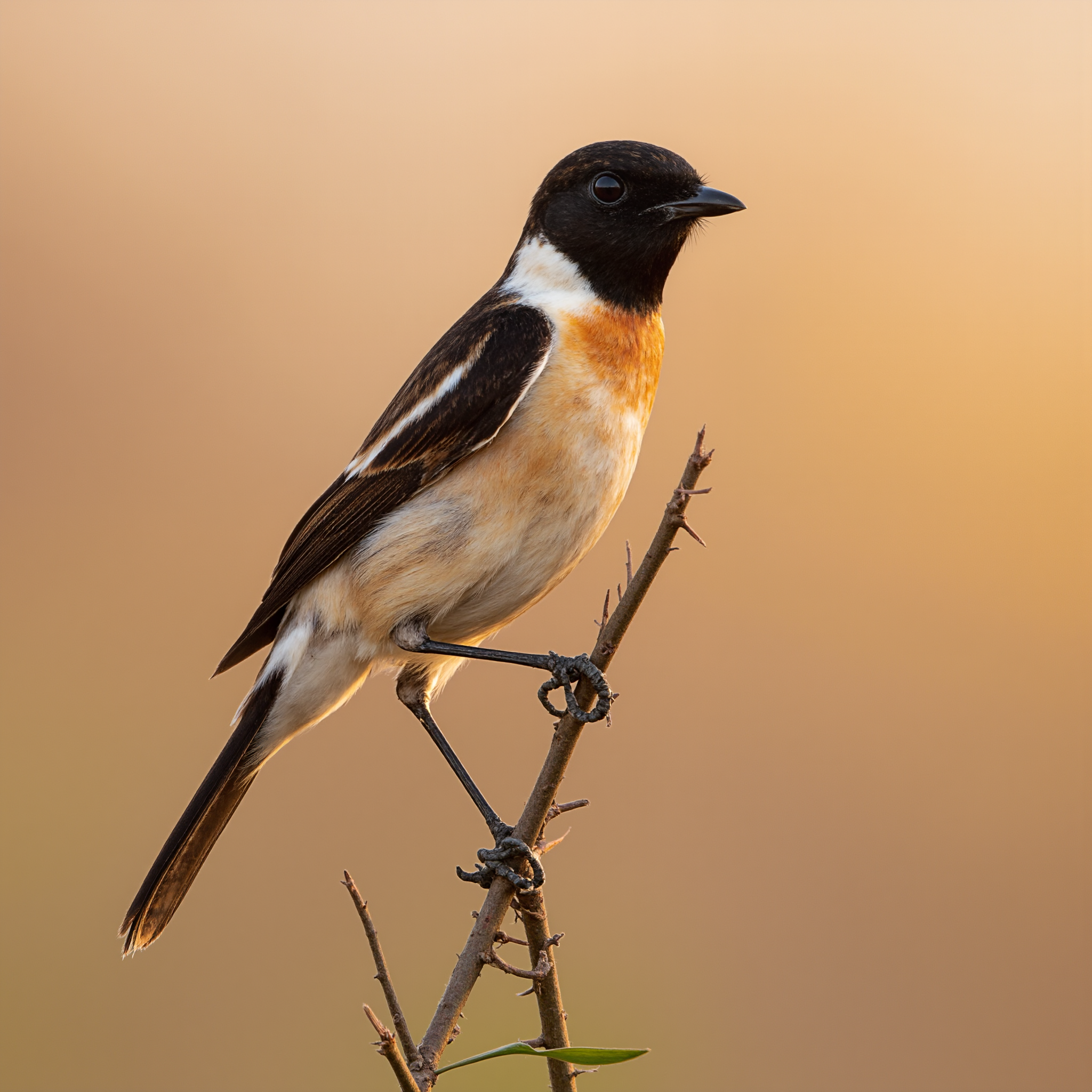
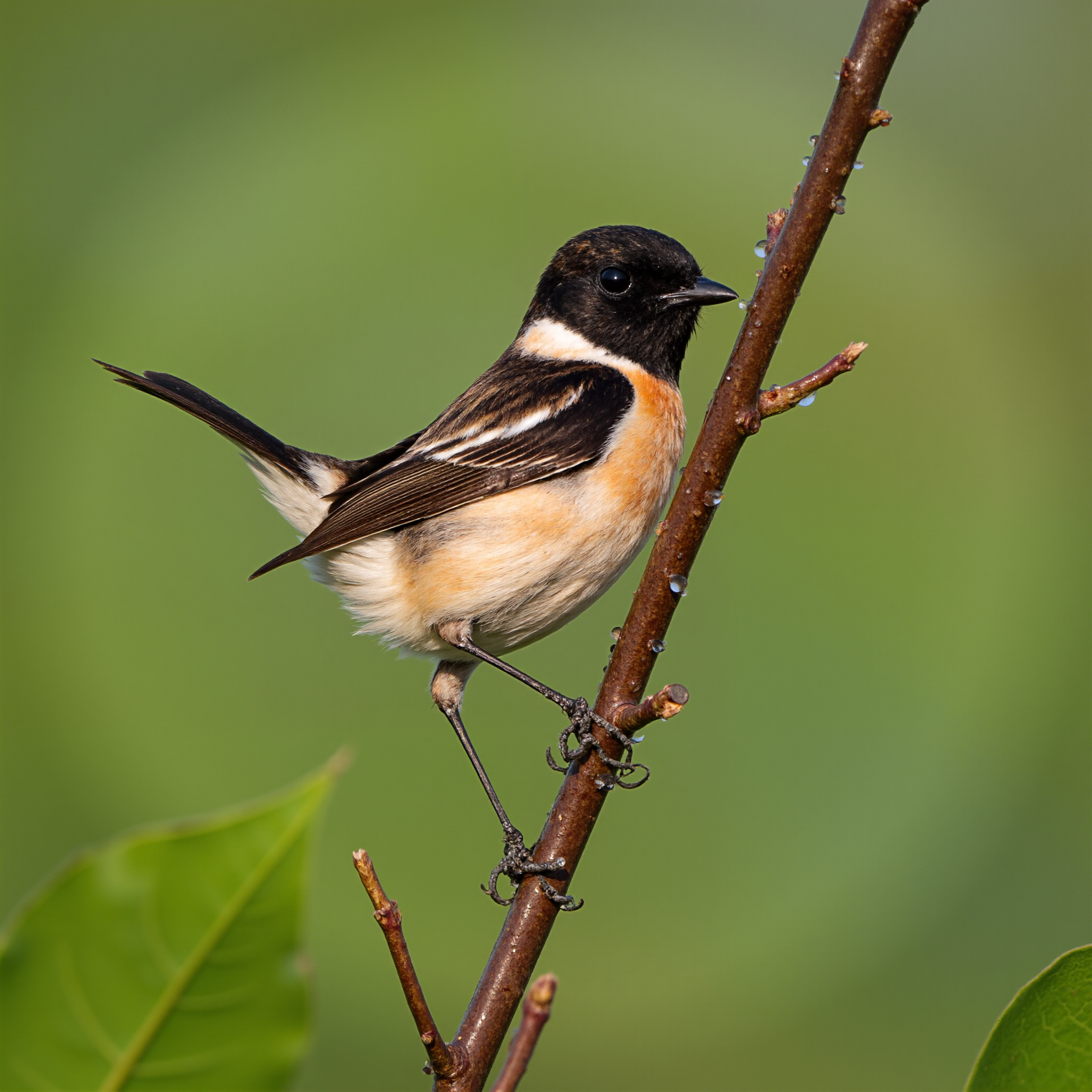
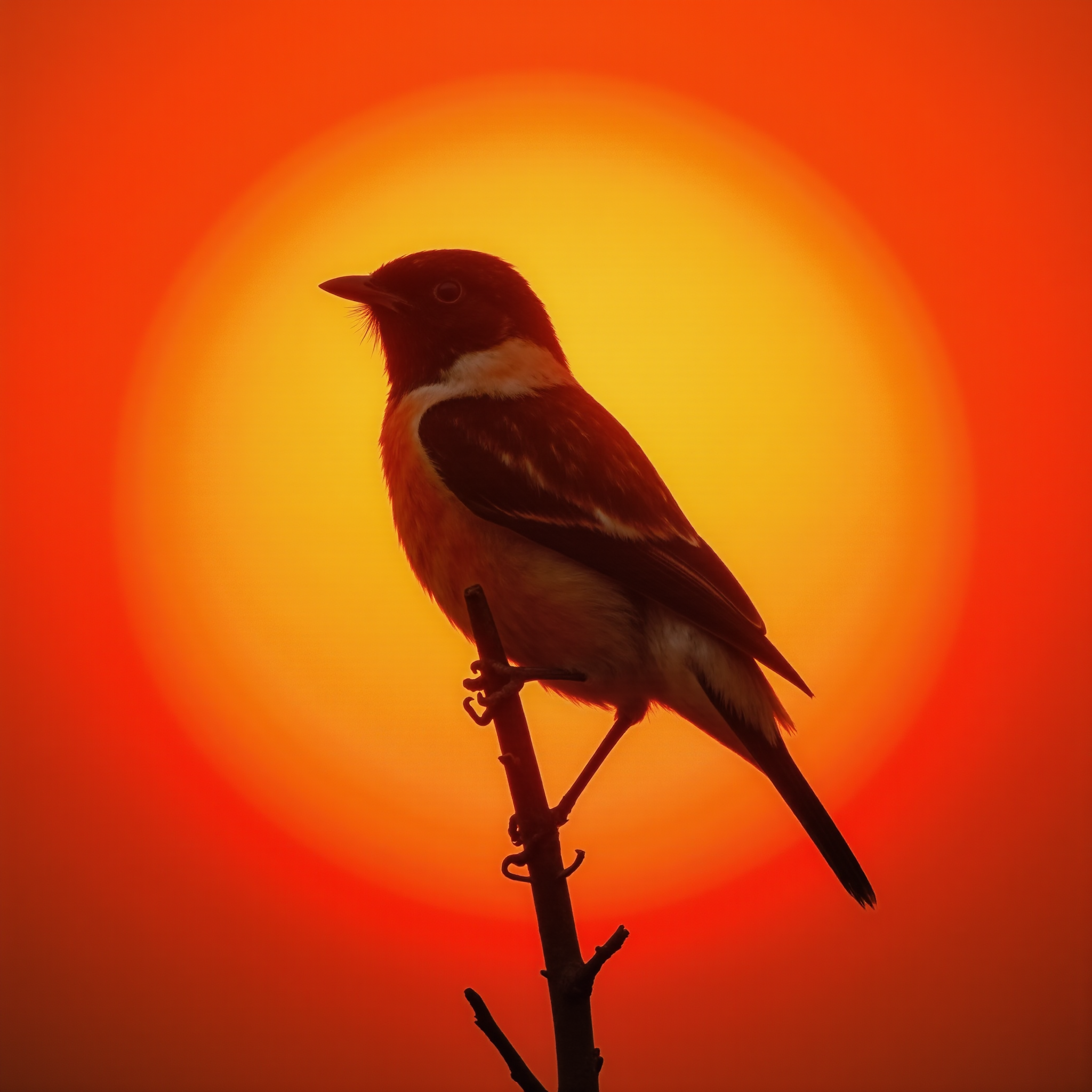
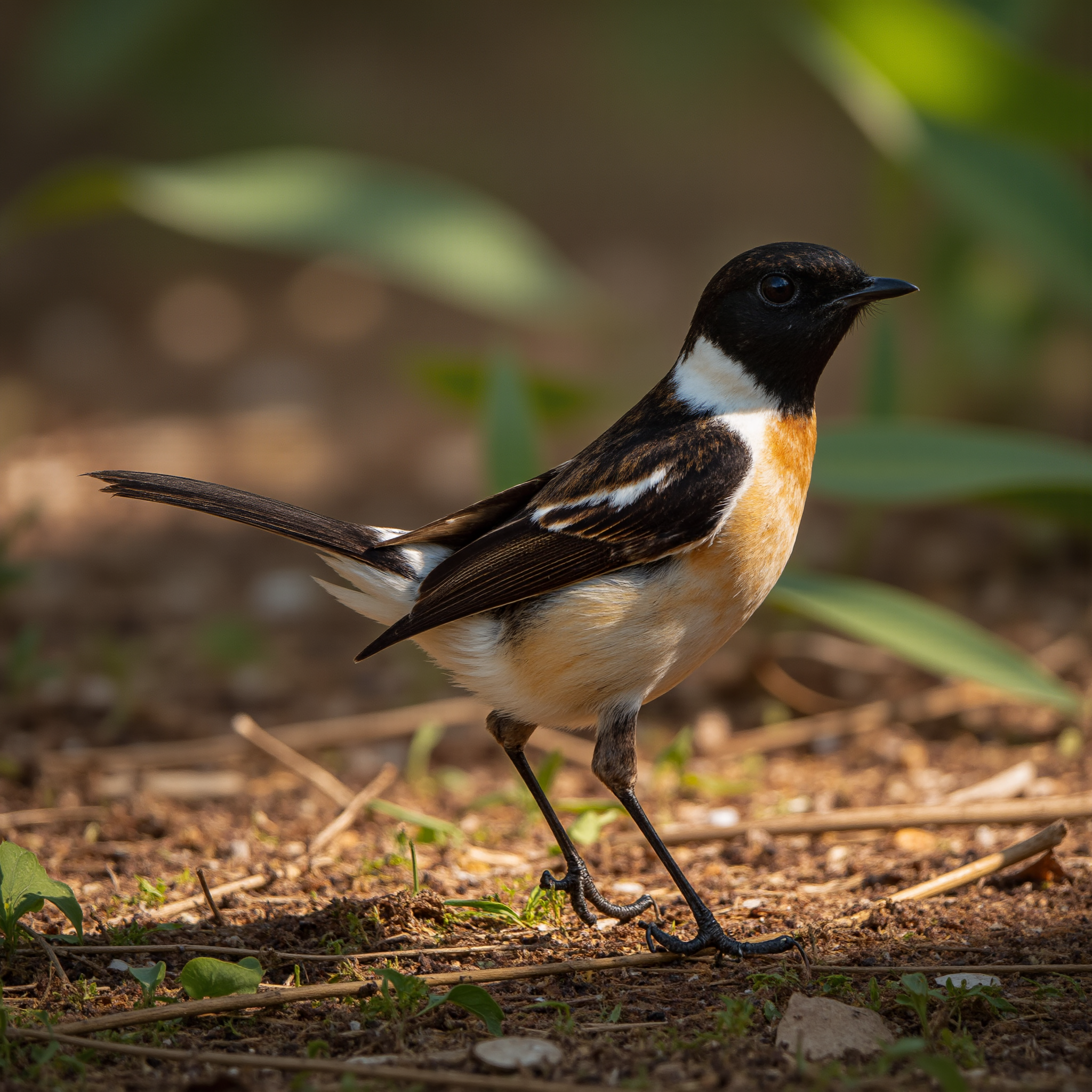
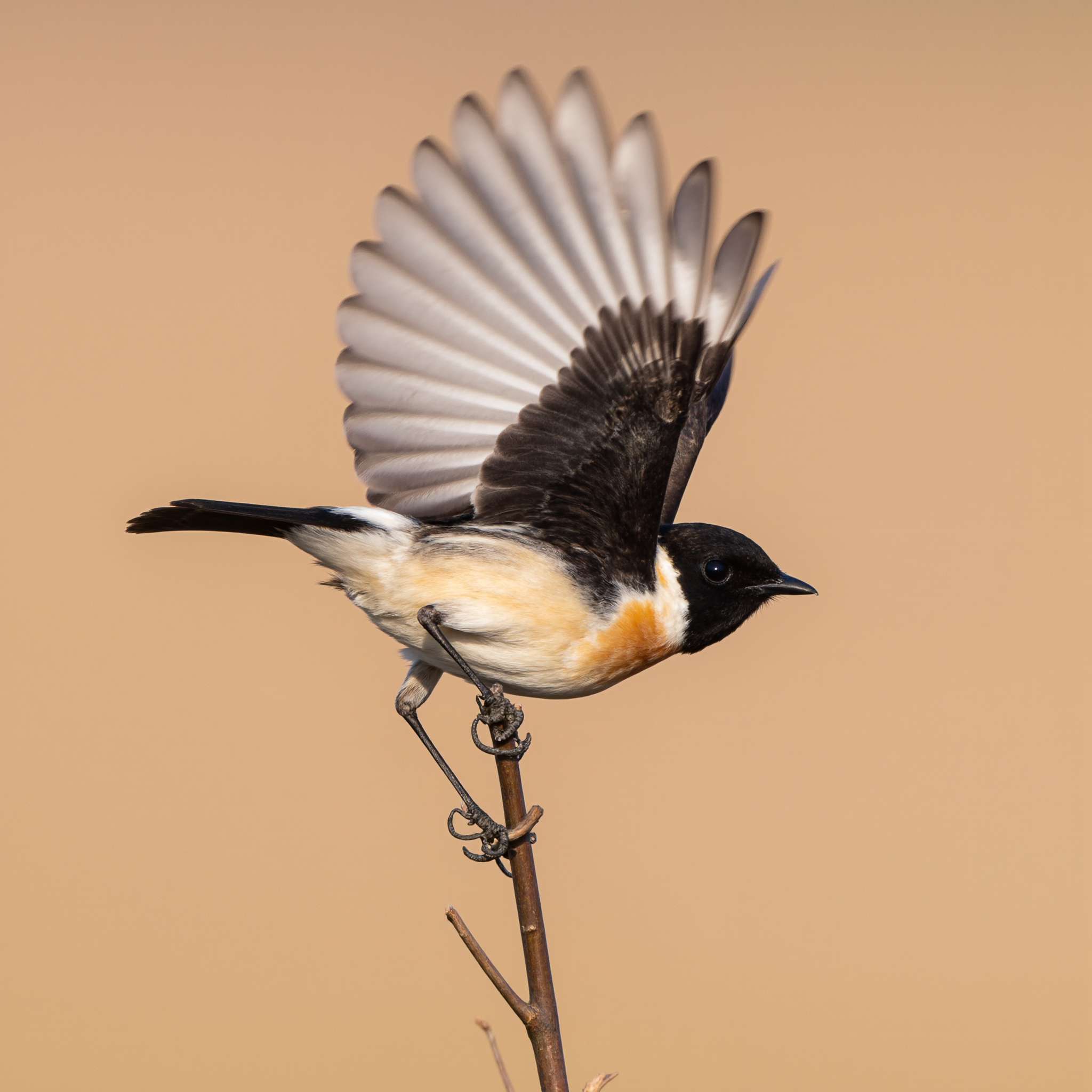
Breeding male:
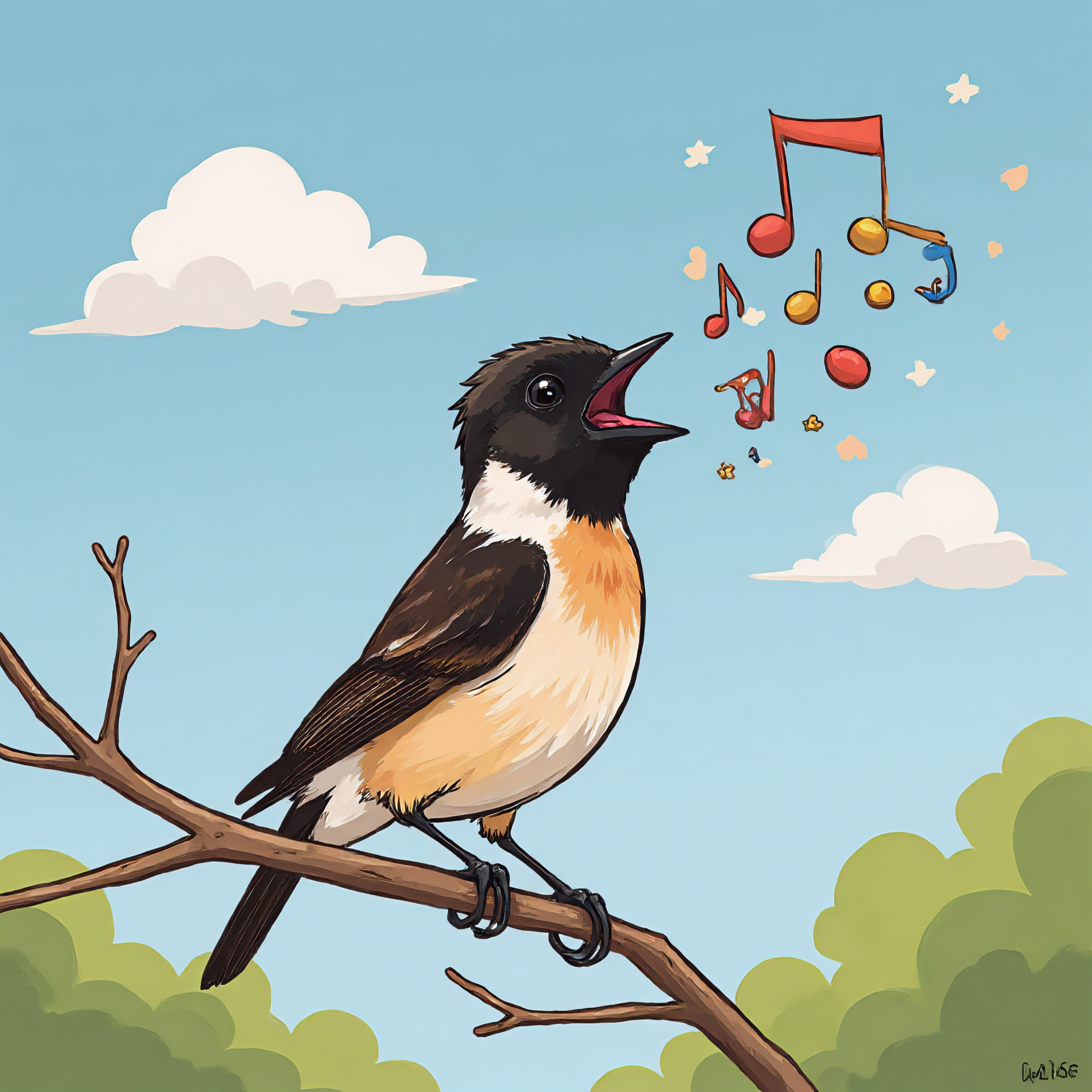
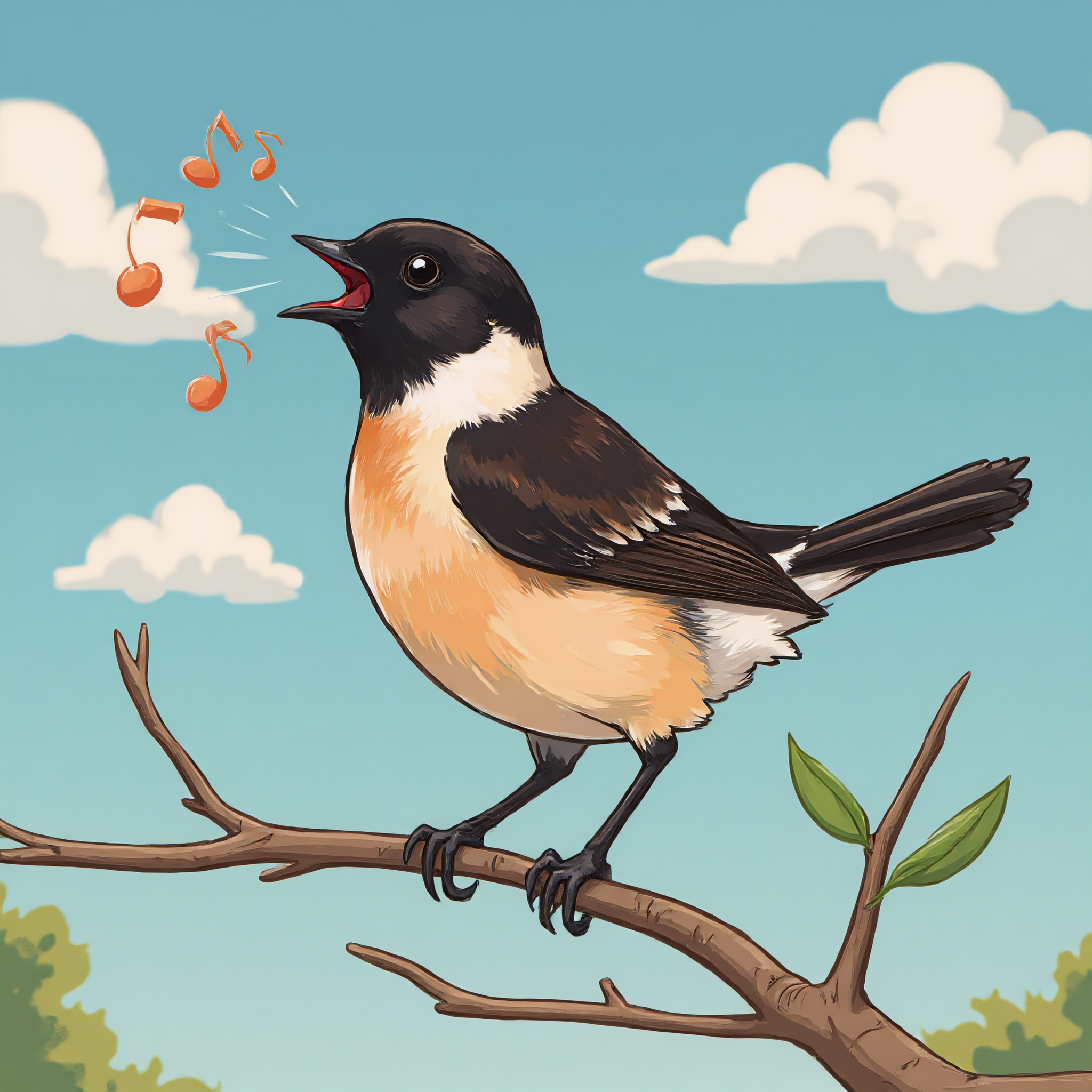
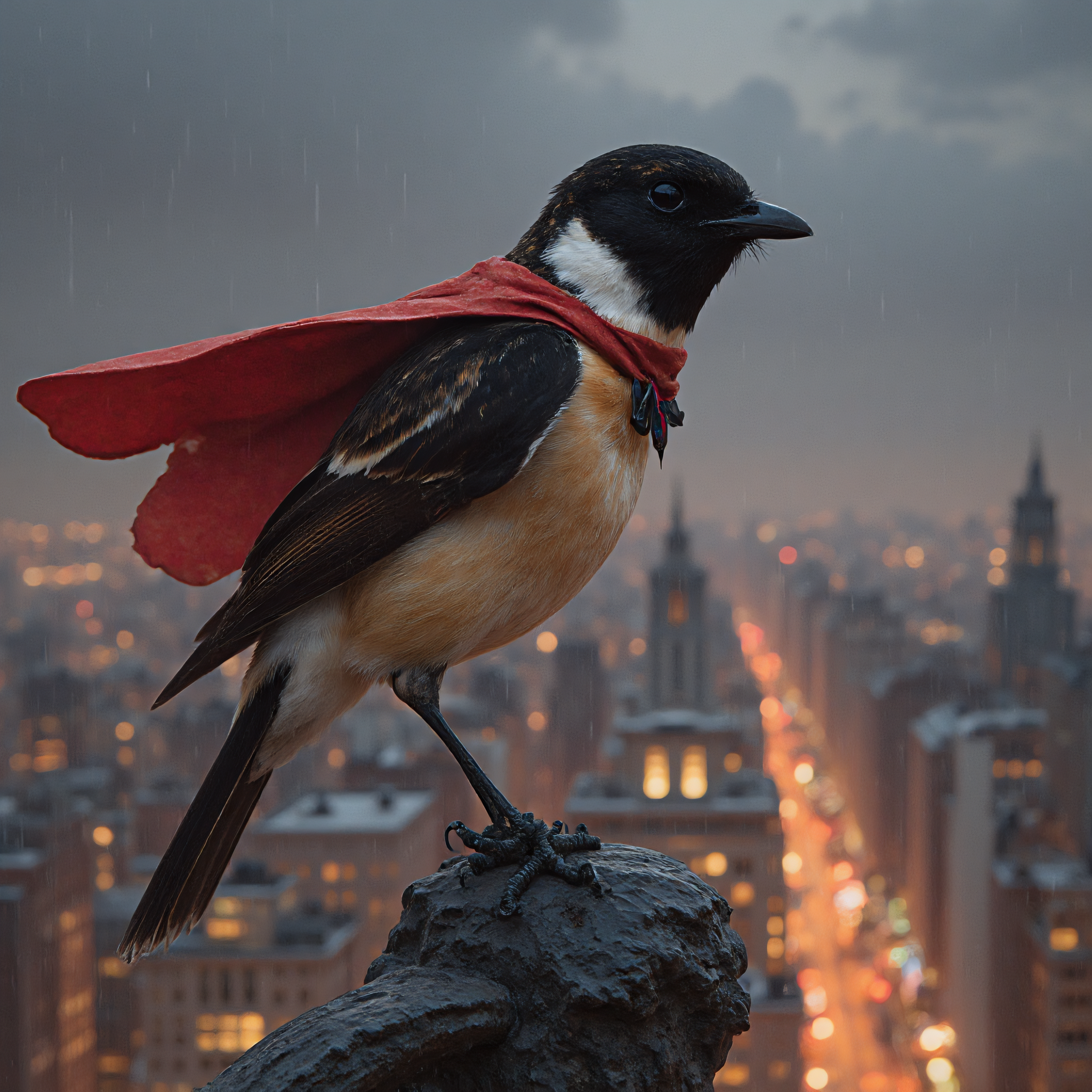
Glossy black head, throat, and partial breast.
White neck patch forming a striking “collar.”
Dark wings with white patches, and underparts washed with orange-buff.
Female:
Much paler, sandy-brown plumage.
Buff-orange chest and faint pale eyebrow (supercilium).
Juvenile:
Similar to female but with streaked and mottled plumage for camouflage.
🌍 Distribution and Habitat
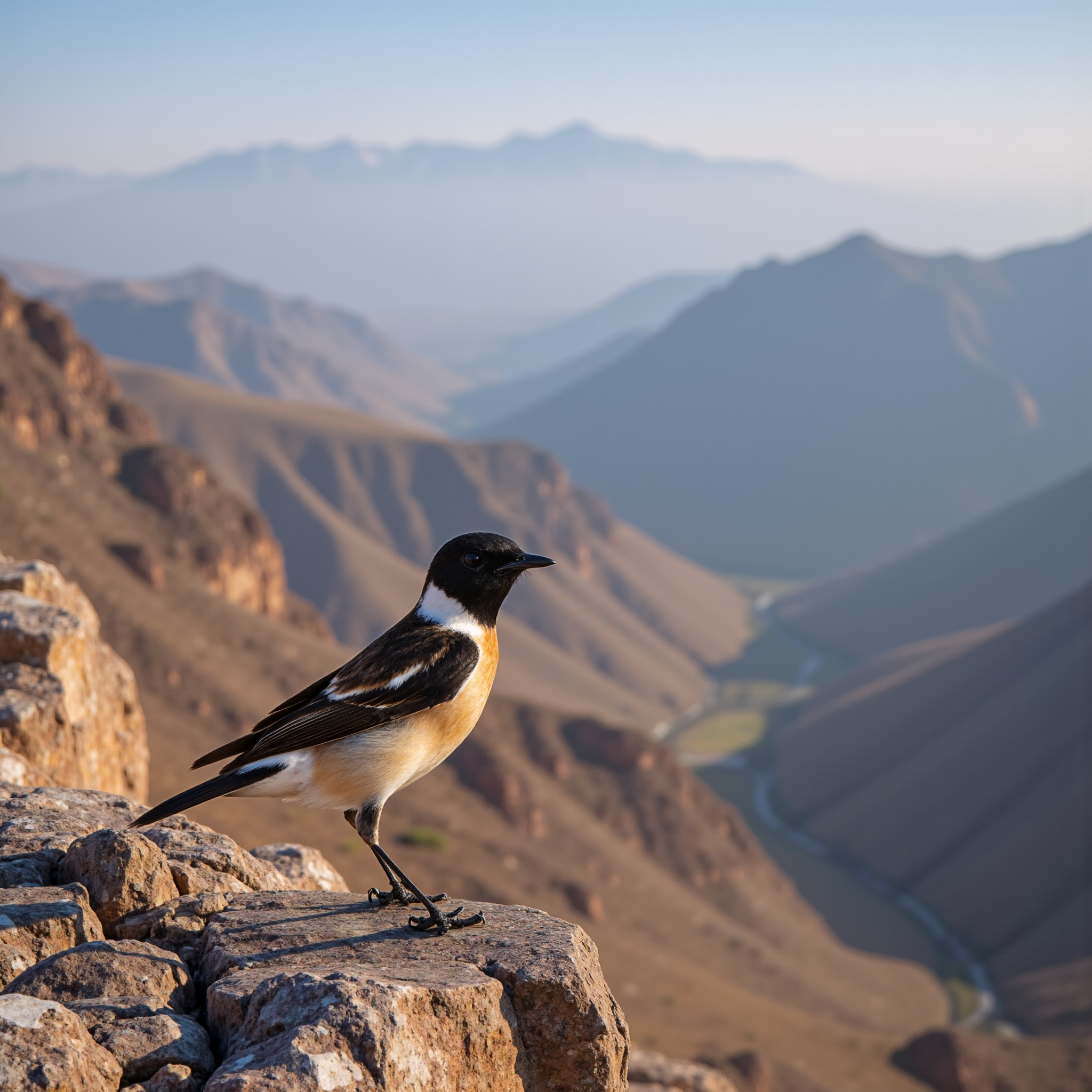
Breeding range: Northeastern Asia — including Russia (Amur and eastern Siberia), Northeast China, Korea, and Japan.
Wintering grounds: Southeast Asia — Southern China, Vietnam, Thailand, the Philippines, Malaysia.
Habitat: Open fields, meadows, farmland edges, marshy grasslands, and scrublands.
🍽️ Diet
Primarily insectivorous: beetles, flies, grasshoppers, caterpillars.
Occasionally feeds on berries and seeds, especially in winter.
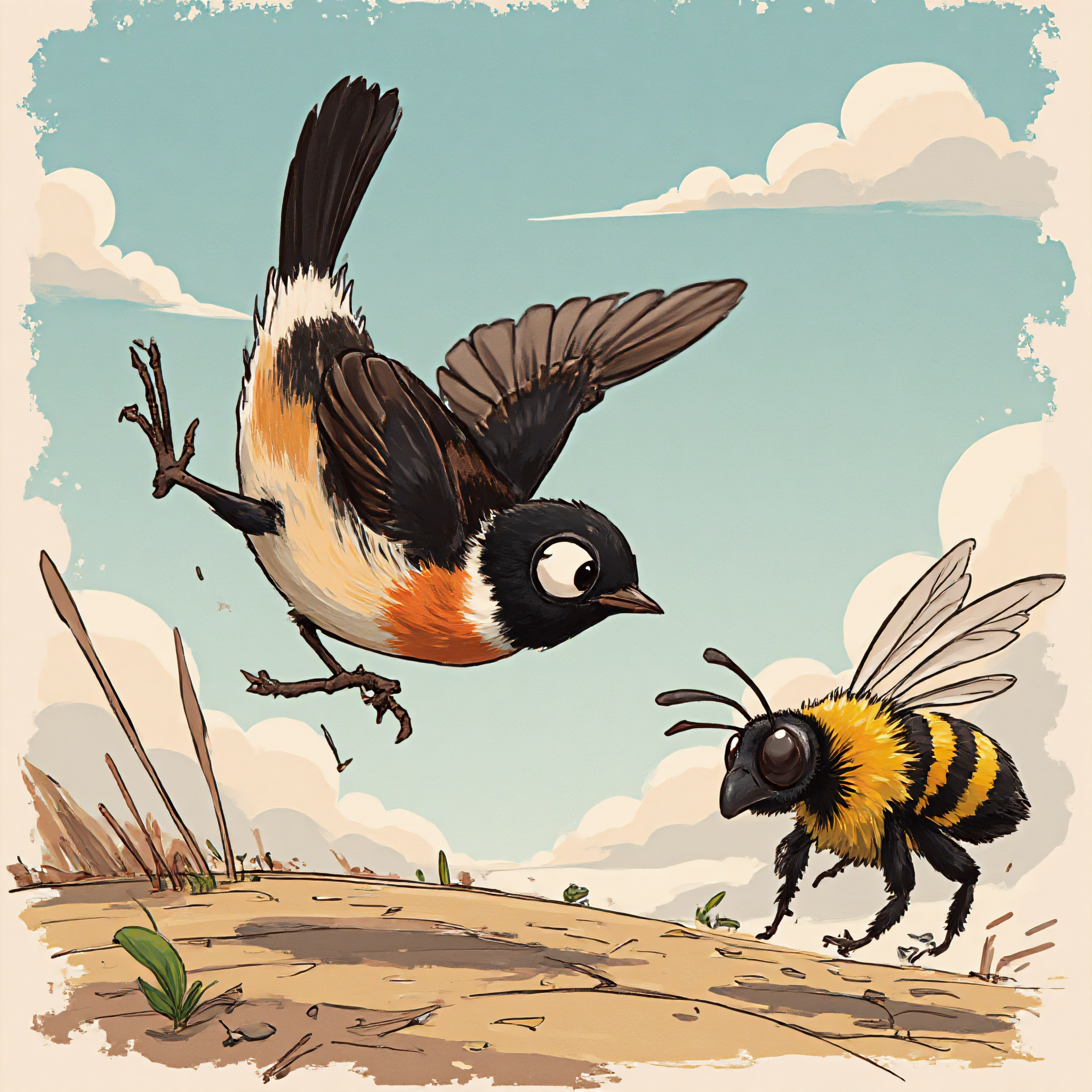
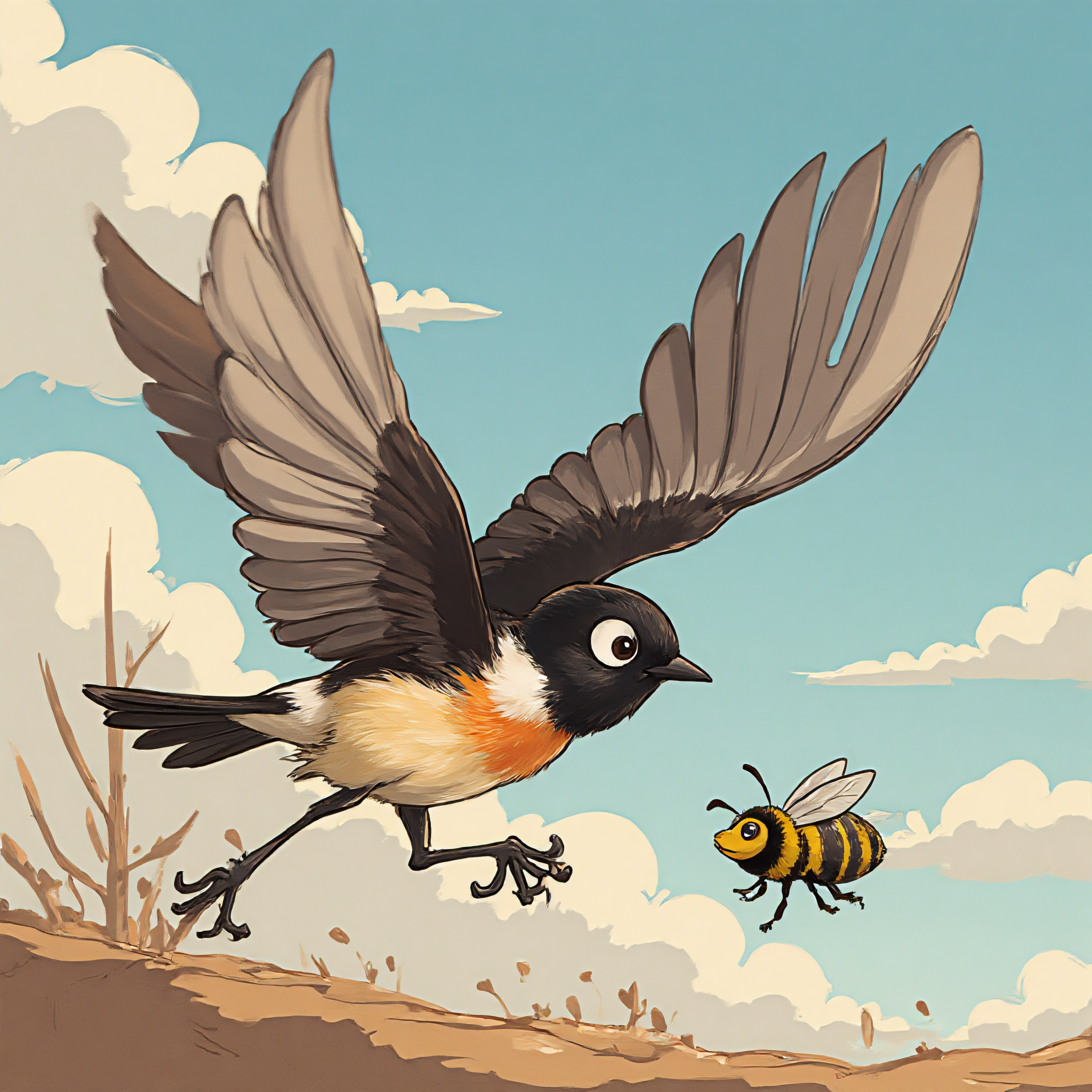
Hunts from a perch, swooping down to catch prey on the ground (“sit-and-wait” feeding style).
🪺 Breeding
Breeding season: May to July.
Nest: built low to the ground in thick grass or shrubs.
Structure: dry grass and roots, lined with feathers or hair.
Clutch size: 4–6 eggs, pale with speckles.
Incubation: 12–13 days, mainly by the female.
Both parents feed chicks after hatching.
🕊️ Behavior
Very active, frequently flits between perches.
Often perches on tall grass stalks, fences, or posts while scanning for insects.
Call: a sharp, dry “chack-chack,” reminiscent of stones being tapped together — origin of the name Stonechat.
📊 Conservation Status
IUCN Red List: Least Concern.
Population is stable overall, though habitat loss due to intensive agriculture can pose local threats.