Megaloceros giganteus




詳細
ファイルをダウンロード (1)
このバージョンについて
モデル説明
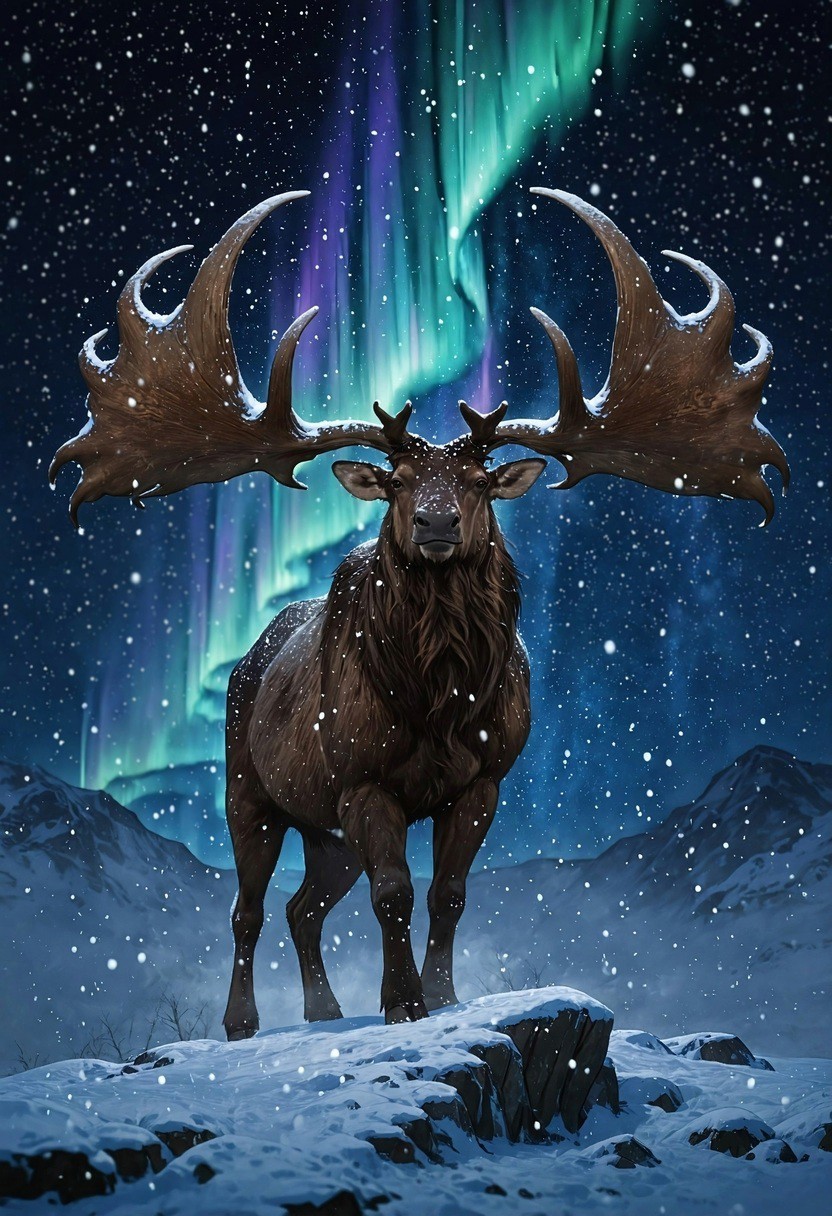
The Megaloceros, known as the Irish elk, was one of the largest deer species ever to exist, living from the Middle Pleistocene until about 7,700 years ago. Despite its name, it was not exclusive to Ireland, occupying much of Europe, western Asia, and Siberia, mainly open plains, steppes, and forest edges.
Its most striking feature was its giant antlers, which could exceed 3.5 meters in width and weigh more than 40 kg. These antlers served not only for defense but also for sexual display and disputes between males, functioning as an extreme exaggeration of what is seen in modern deer.
The animal reached about 2 meters in height at the shoulders and weighed between 450 and 700 kg, being a robust herbivore adapted to open environments. Its antlers made life difficult in dense forests, leaving it dependent on wide open spaces. The extinction of Megaloceros likely occurred due to a combination of post-glacial climate changes, which reduced open fields, and human pressure, whether through direct hunting or competition for resources.