German Expressionism





Details
Download Files (1)
About this version
Model description
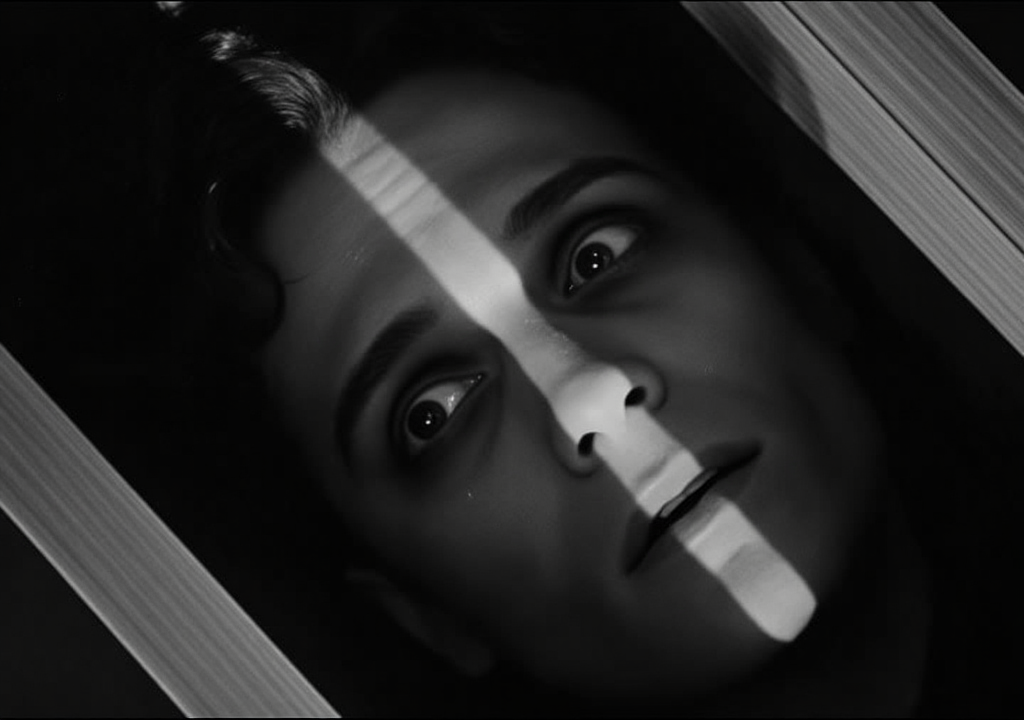
This LoRA reproduces the visual language of early 20th-century German Expressionist cinema, with a strong emphasis on theatrical abstraction, psychological mood, and painterly set design rather than realism.
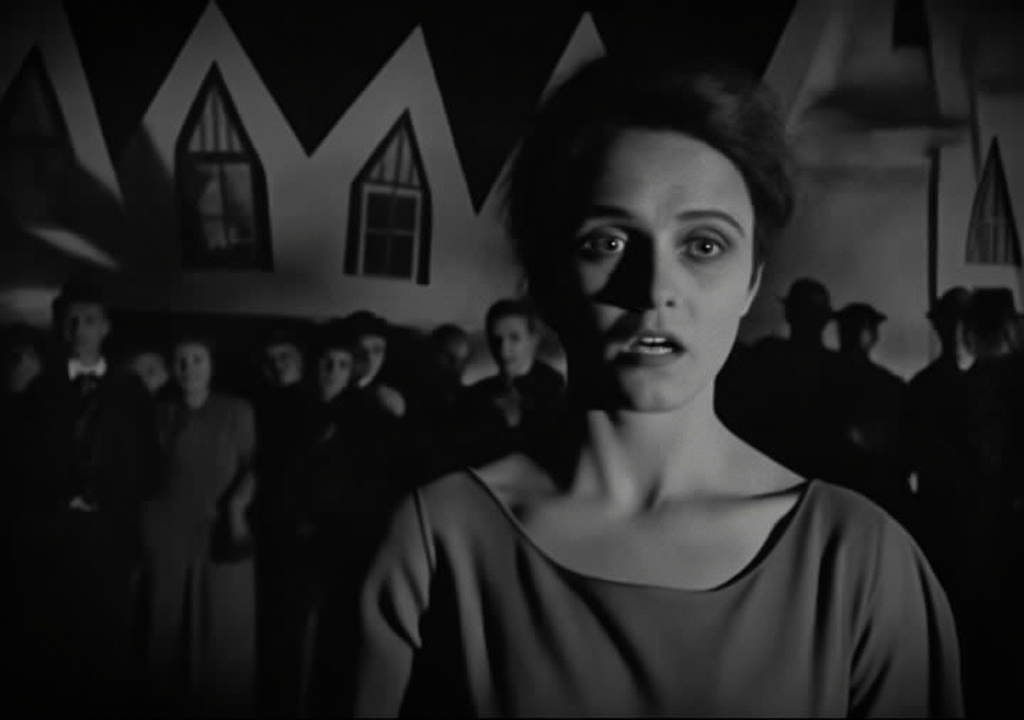
It learns to generate scenes with warped and distorted architecture, leaning walls, exaggerated verticals and diagonals, and intentionally incorrect perspective inspired by films such as The Cabinet of Dr. Caligari, Nosferatu, and Metropolis. Environments feel constructed and symbolic rather than natural, often resembling hand-painted stage sets with flat planes, sharp geometry, and graphic compositions.
Lighting is a core part of the style. The model emphasizes harsh single-source illumination, stark chiaroscuro, deep blacks and bright whites, and long angular shadows that behave like painted shapes across walls, floors, and figures. Scenes tend to feel high-contrast, dramatic, and emotionally charged, with lighting used to express tension, isolation, dread, or melancholy rather than to simulate realistic illumination.
The LoRA also encodes the cinematic texture of silent film: visible grain, slight flicker, gate weave, soft focus at the edges, and a monochrome tonal palette reminiscent of orthochromatic and early panchromatic film stock. Images often feel aged, unstable, or dreamlike, as if taken from a damaged or imperfect film print.
Human figures generated with this LoRA tend to appear stylized rather than photorealistic. Poses are theatrical, symbolic, and emotionally restrained, with an emphasis on posture, silhouette, and blocking rather than naturalistic motion. Faces often carry psychological intensity or stillness rather than overt expression, reinforcing the mood-driven nature of the style.