Rite of Wrong










Details
Download Files (1)
Model description
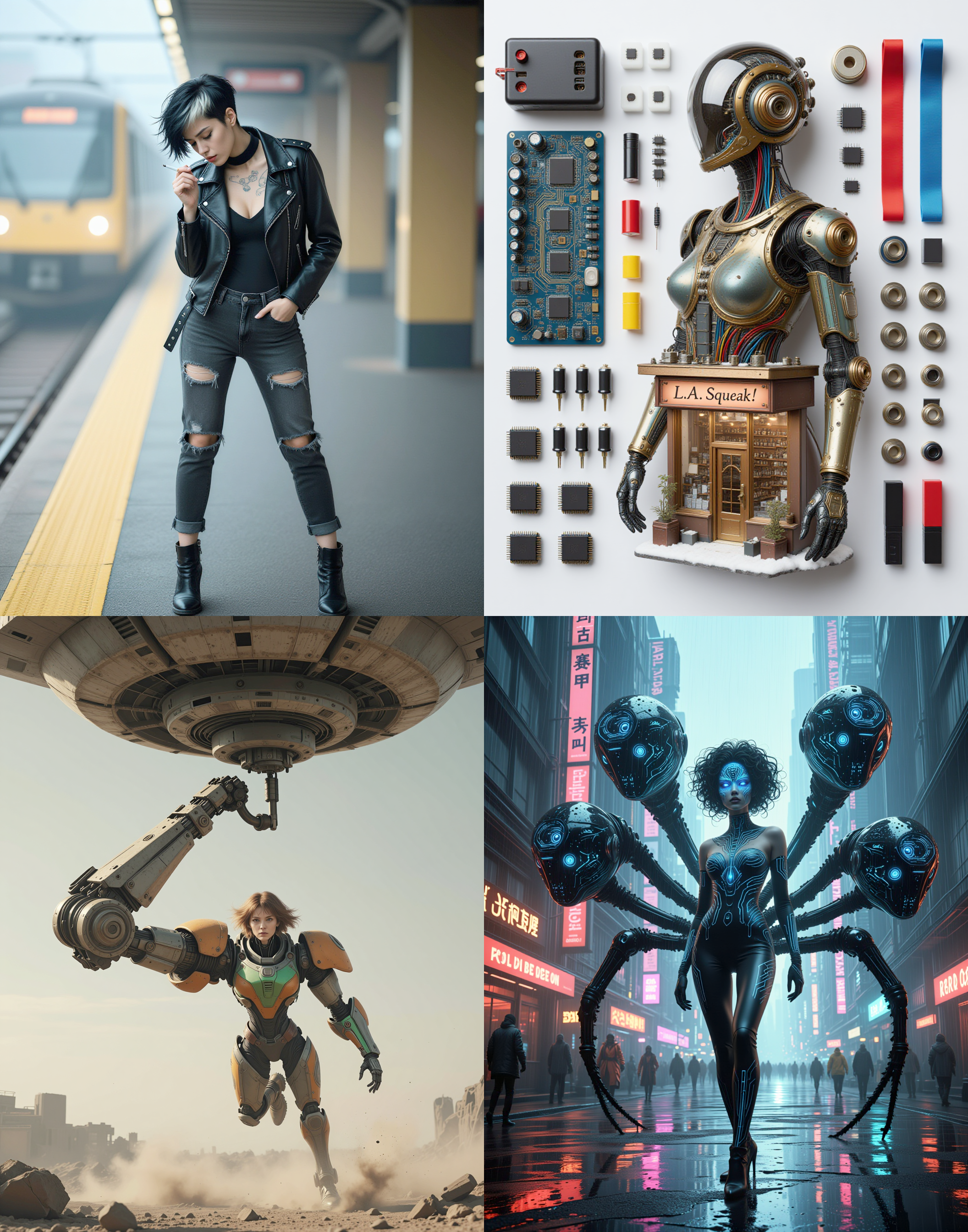
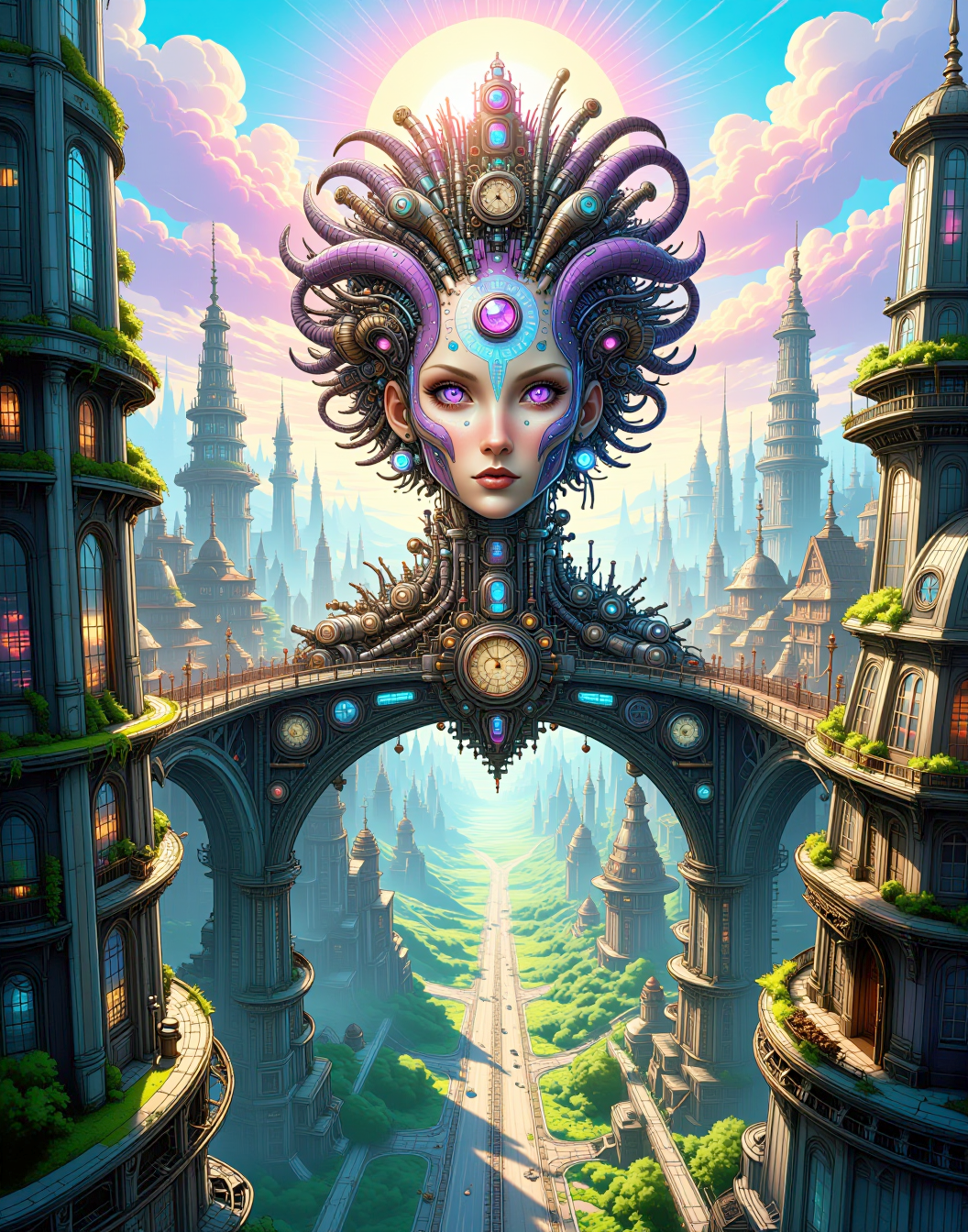
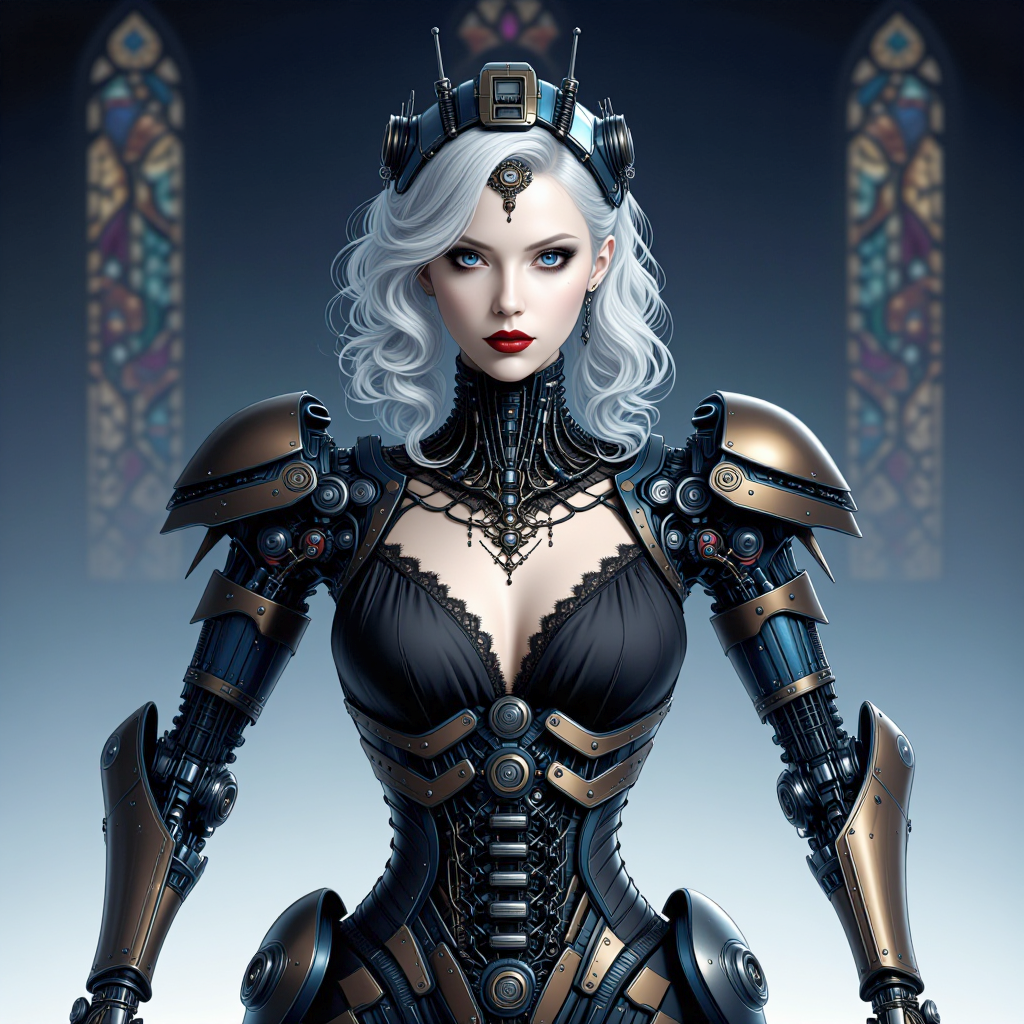
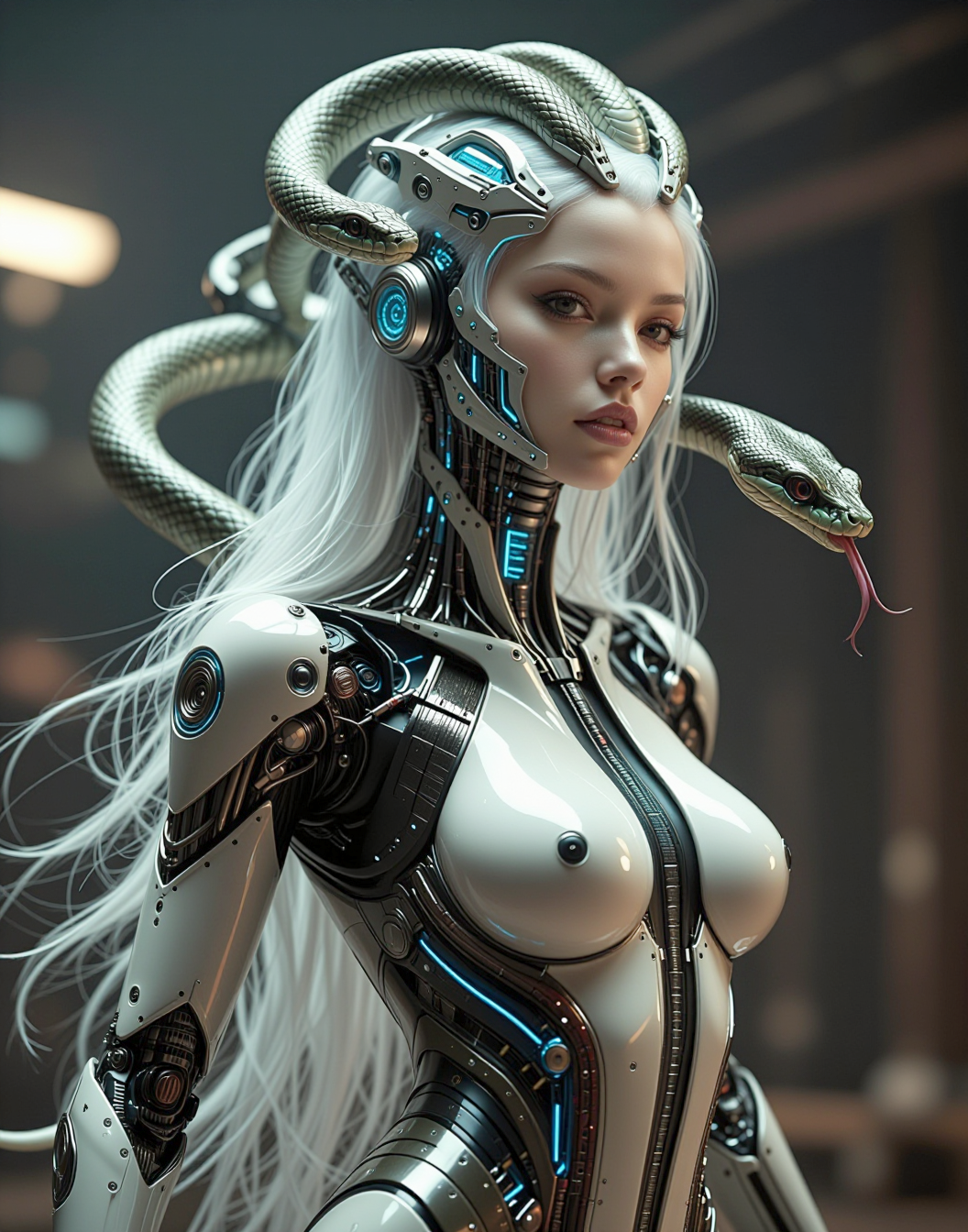
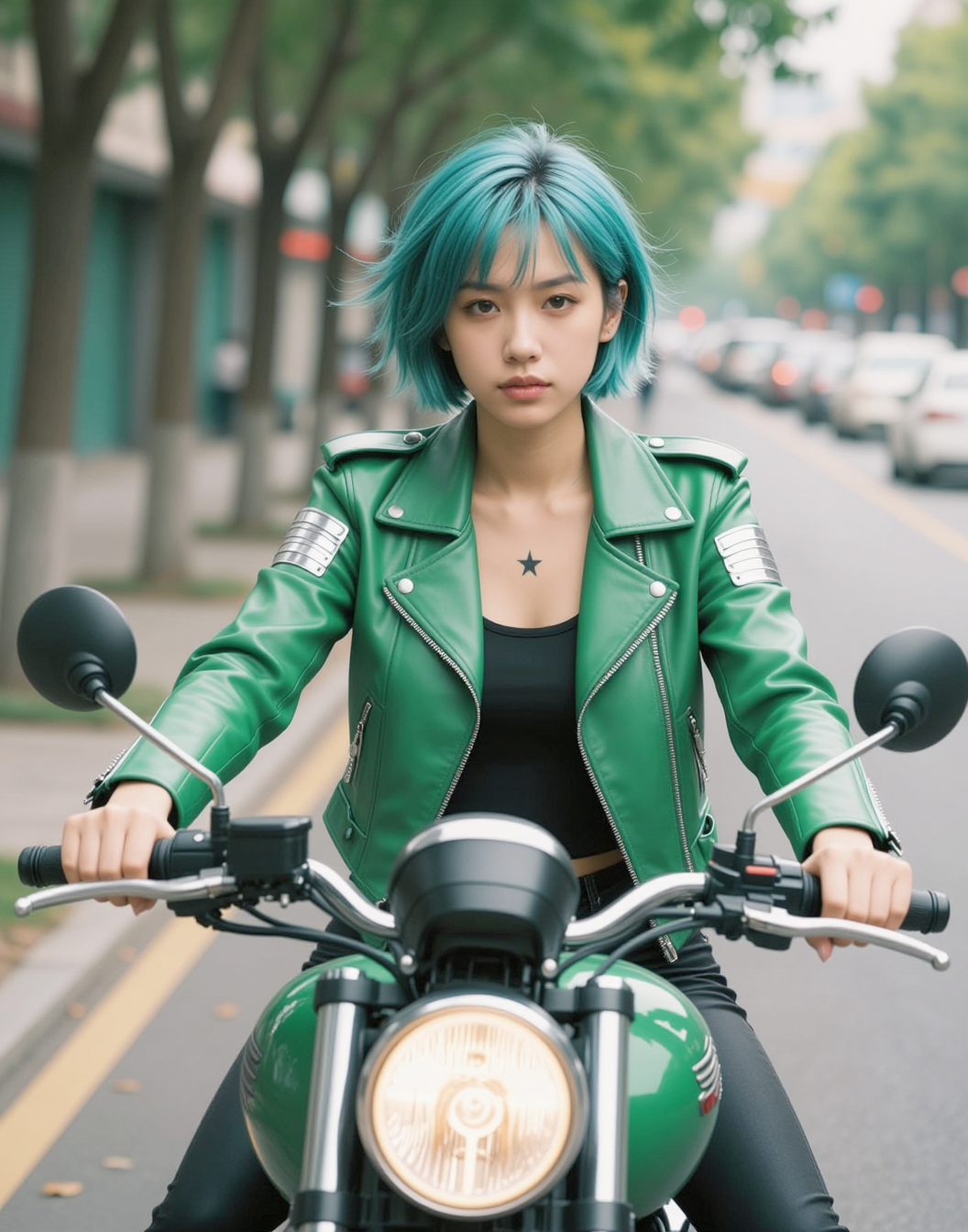
This LoRA is designed to be a versatile construction engine with a bias towards futuristic, electronic and (stuff)punk type things, though you'll notice that it will easily produce real images, even cleaning up the fuzziness that ZIT produces as part of its real appeal (although I'm not sure others are experiencing the same thing as I am but I will often use another LoRA to smooth out ZIT's raw output).
Let me be right up front about something, though. I spent the better part of an entire week attempting to create a "Mech" construction kit, specifically designed to augment humans, and it just wasn't doing what I wanted after 3 attempts at multiple 10's of thousands of steps, stages of refine with additional images and some cleanup to remove images that produced body horror (nudity seems to throw it off balance), before deciding that this just wasn't going to have the magic that I intended for it, but it was just too valuable to me to just throw it away so, after adjusting my expectations, and experimenting with different styles, I discovered that it wasn't just valuable but, in fact, something I had hoped to learn to produce some time in the future, when I understood these things better.
During my journey, as I continued to add subject matter, corrective measures and pruning the dataset, I found a place where convergence towards my specific target started to take place but, beyond that, only 500 steps or so, it collapsed. So, while I knew I would have to take this in a different direction, or, more specifically, decide what I would call the darned thing based on what it could do, I still wanted it to have some characteristics of the LoRA I had started out attempting to produce. There are 3 characteristics I wanted, and a complete deal breaker without them, and that's that the humanoid machines would have large, round shoulder caps, insect type details and be able to have disproportionate arm sizes with respect to its counterpart.
To achieve this goal I kept the 15k steps that produced the transition, where convergence would have collapsed had I not taken a different avenue, and used that as the base to produce this one, introducing 16 distinct characteristics of style and genre using 658 images to target the following areas...
Cyberpunk
Steampunk
Dieselpunk
Spacepunk
Cyborgs
1800s - Victorian
Old west
Futuristic
Heroes (generic)
Industrial Robots (armatures)
Insects
Robots (humanoid)
Environments (misc architecture, interiors, themes)
Dress (clothing, fashion, style)
People - Misc (men and woman in various situations, environments)
Electronics (components, circuit boards, MB, mini-boards etc.)
When I conditioned the dataset for the original theme I did so with construction in mind, making sure that different characteristics could access others. This may be difficult to describe but think about where animals may reside inside of a model, and humans may be in a different area of the model. These areas could be considered as clusters and if there's a link between clusters then things can be built with more variety when invoking different features of those separate clusters. In order to build a bridge between these clusters I add disassociated items in images of content that may be held in different clusters, effectively marrying them in order to add something from one to something of another. For instance, one intent was to add significant details from insects to humans, cyborgs and machines, in order to use prompting as a construction tool to build intricately designed humanoid mechs. I call this anchoring.
I spoke about anchoring before and this is where I believe the implementation comes into play the strongest. By referencing any of the known characteristics of the subjects above, it seems that we can dig into the neural network and bring out the properties that the model already knows, in as much clarity as was originally introduced at training, without our LoRA overwriting what has already been established but, instead, augmenting it in various ways which become noticeable when performing a before/after comparison.
None of the training images contained erotic interactions or explicit content and, as I stated earlier, I removed all nudity, which is likely to interfere with anchoring somewhat when you use another LoRA to add in those details that are missing.
In my opinion the body horror being produced, and very low quality of the missing subject matter when that matter is produced, is a result of deliberate pathway damage since we're not able to add this content, there are no clusters for it to reside in or those clusters that have been identified as containers for this material are filled with 100 % Beef Chuck. I don't expect that we'll feel any more free when Z-Image-Omni comes out of hiding but, thanks to Lodestone, we won't have to care about it.
If we allow this to continue you'll need an LLM to look at you to tell you if your hair is brushed properly because your mirror will display an overlay, covering the reflection of your face, with a red warning comforting you, letting you know that you have been protected, with the words "Real person detected, safety measures have been engaged!".