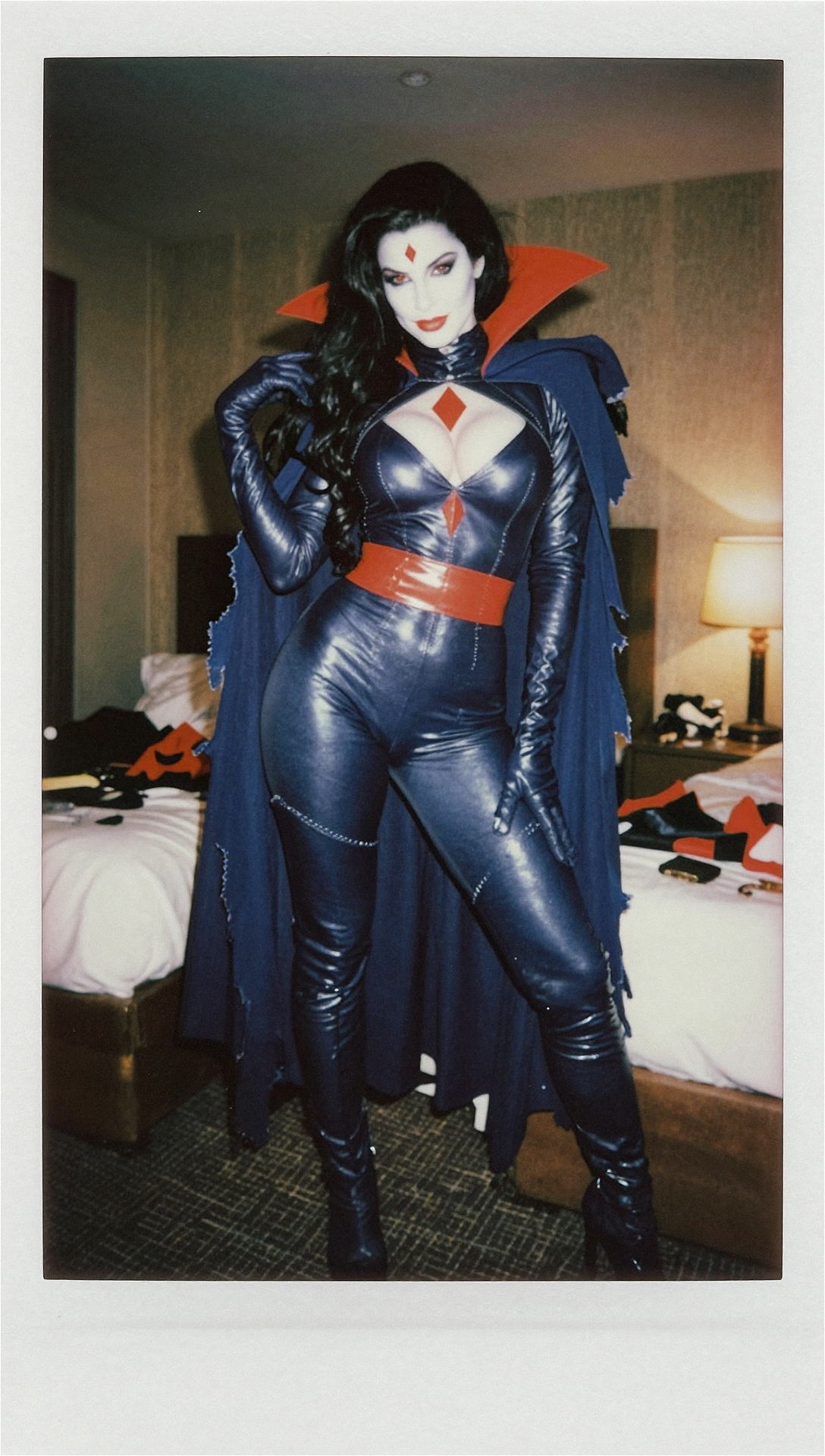
Mr. Sinister (Marvel Comics | X-Men | Rule 63)





Details
Download Files (1)
Model description
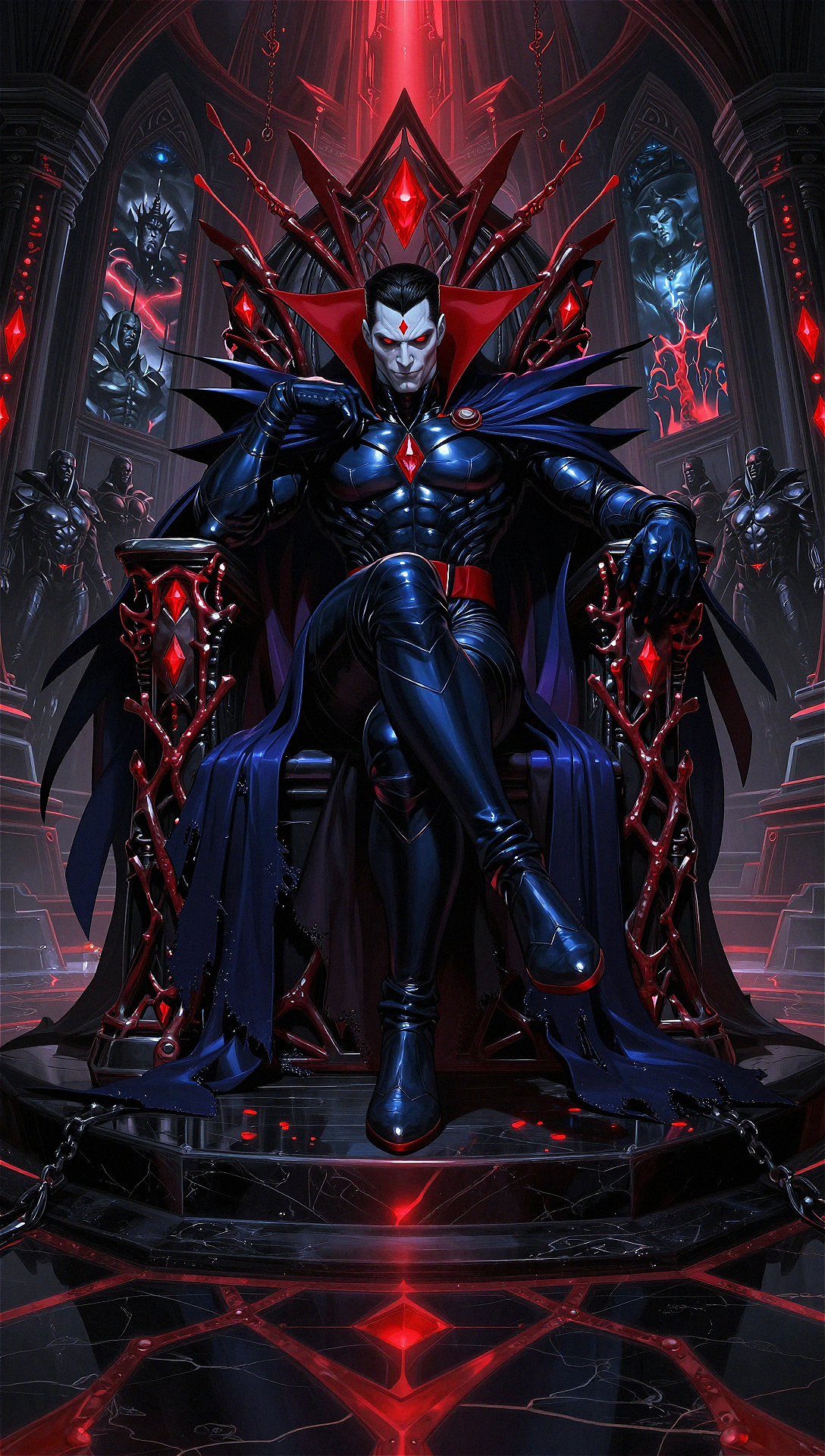
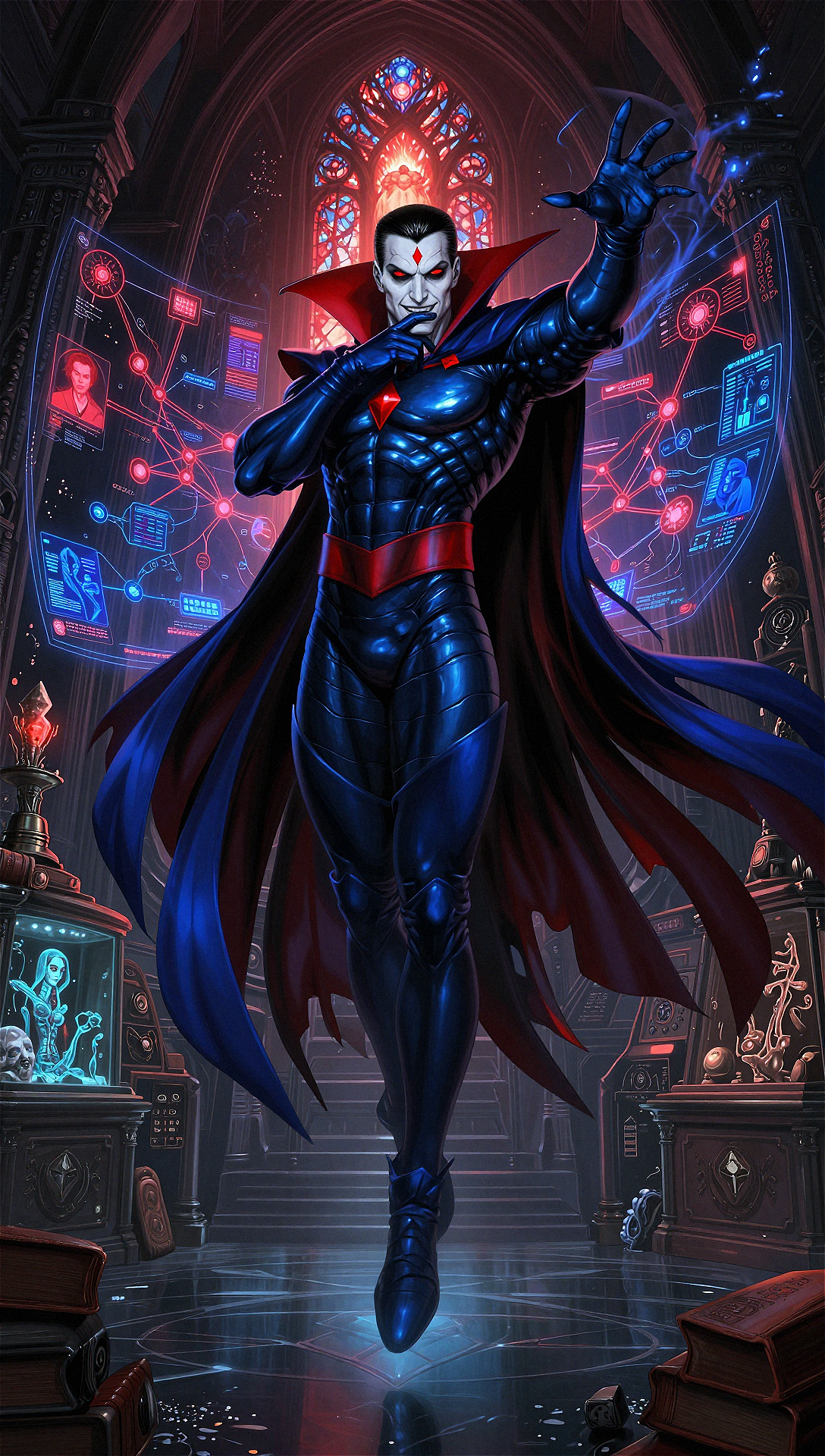
Mister Sinister, whose true identity is Dr. Nathaniel Essex, stands as one of Marvel Comics' most intellectually formidable and morally depraved supervillains, primarily opposing the X-Men through intricate genetic manipulations. Created by writer Chris Claremont and artist Marc Silvestri, the character was first referenced as the mysterious employer of the Marauders in Uncanny X-Men #212 (December 1986), appeared in silhouette in Uncanny X-Men #213 (January 1987), and made his full visual debut in Uncanny X-Men #221 (September 1987). Distinguished by his pale skin, black attire with white accents, a distinctive red diamond mark on his forehead, and an array of powers including telekinesis, telepathy, shapeshifting, energy projection, and virtual immortality, Sinister embodies a chilling blend of Victorian-era scientific arrogance and superhuman capability.
Born in 19th-century London, Nathaniel Essex was a brilliant but ethically unrestrained biologist and geneticist obsessed with Charles Darwin's theories of evolution, believing mutants represented the next stage of human development. His radical experiments on human subjects drew the attention of the ancient mutant En Sabah Nur, known as Apocalypse, who offered Essex immortality and enhanced abilities in exchange for allegiance. Transformed in the Victorian era, Essex adopted the name Mister Sinister—suggested mockingly by Apocalypse—and severed ties with his former life, including his wife and son, to pursue an unending quest for genetic perfection, often through clandestine orphanages and laboratories where he conducted cruel experiments on mutants.
Over decades, Sinister orchestrated pivotal events in mutant history, including leading the Marauders in the devastating Mutant Massacre of the Morlocks and creating a clone of Jean Grey, Madelyne Pryor, to breed with Cyclops and produce powerful offspring such as Nathan Summers (Cable). His fixation on the Summers and Grey bloodlines drove long-term schemes revealed in storylines like Inferno (1989), where Pryor became the Goblin Queen. In the Krakoa era and events such as Sins of Sinister (2023), further developments exposed Sinister's self-cloning into variants like Doctor Stasis, Orbis Stellaris, and Mother Righteous, highlighting his escalating ambitions to reshape mutantkind through betrayal of the Quiet Council and alternate timeline dominations, solidifying his role as a persistent architect of chaos and evolutionary manipulation.