Praga Bohema - 2023



Details
Download Files (1)
About this version
Model description
Praga Bohema: The 982-Kilogram Rebuttal to the Hybrid Hypercar
Executive Summary
The Praga Bohema represents a philosophical divergence in the modern hypercar landscape. In an era where performance is increasingly achieved through complex hybridization and four-figure horsepower outputs—often at the cost of significant mass—Praga has engineered a return to aerodynamic purity and lightweight mechanical efficiency. Produced by a Czech manufacturer with a 119-year industrial lineage spanning aviation, trucks, and karting, the Bohema achieves a wet weight of just 982 kg while delivering 700 bhp. This results in a power-to-weight ratio of 1.40 kg/hp, a figure that eclipses many Le Mans Hypercar (LMH) prototypes.
The vehicle serves as a road-legal track specialist, engineered to deliver lap times comparable to GT3 racing machinery without sacrificing the ability to wear a license plate. Its validation was cemented at the Dunsfold Aerodrome (Top Gear Test Track), where it set a lap time of 1:09.8, beating the Ferrari SF90 Stradale and coming within two-tenths of a second of the Aston Martin Valkyrie, all while using road-legal Pirelli Trofeo R tires.
Engineering Architecture and Powertrain
At the core of the Bohema’s performance is a strategic partnership between Praga and Litchfield Engineering, a renowned UK-based specialist. The powertrain is based on the Nissan VR38DETT, a 3.8-liter twin-turbo V6 famed for its durability in the GT-R. However, for the Bohema, this unit undergoes a radical transformation into the "PL38DETT." Litchfield converts the engine to a dry-sump lubrication system, replacing the oil pan with a shallow scavenging plate. This modification reduces the engine's overall height by 140 mm, allowing it to be mounted significantly lower in the chassis to optimize the center of gravity and prevent oil starvation during high-G cornering.
To achieve the target output of 700 bhp at 6,800 rpm and 725 Nm of torque, the engine is fitted with bespoke turbochargers and a full titanium exhaust system. Power is transmitted to the rear wheels via a Hewland 6-speed sequential transmission, utilizing a robotic clutch for semi-automatic paddle shifting. This race-derived gearbox contributes to the visceral, mechanical character of the car, noted for its lightning-fast shifts on track while remaining manageable, if mechanically vocal, on the street.
Aerodynamics and Chassis Dynamics
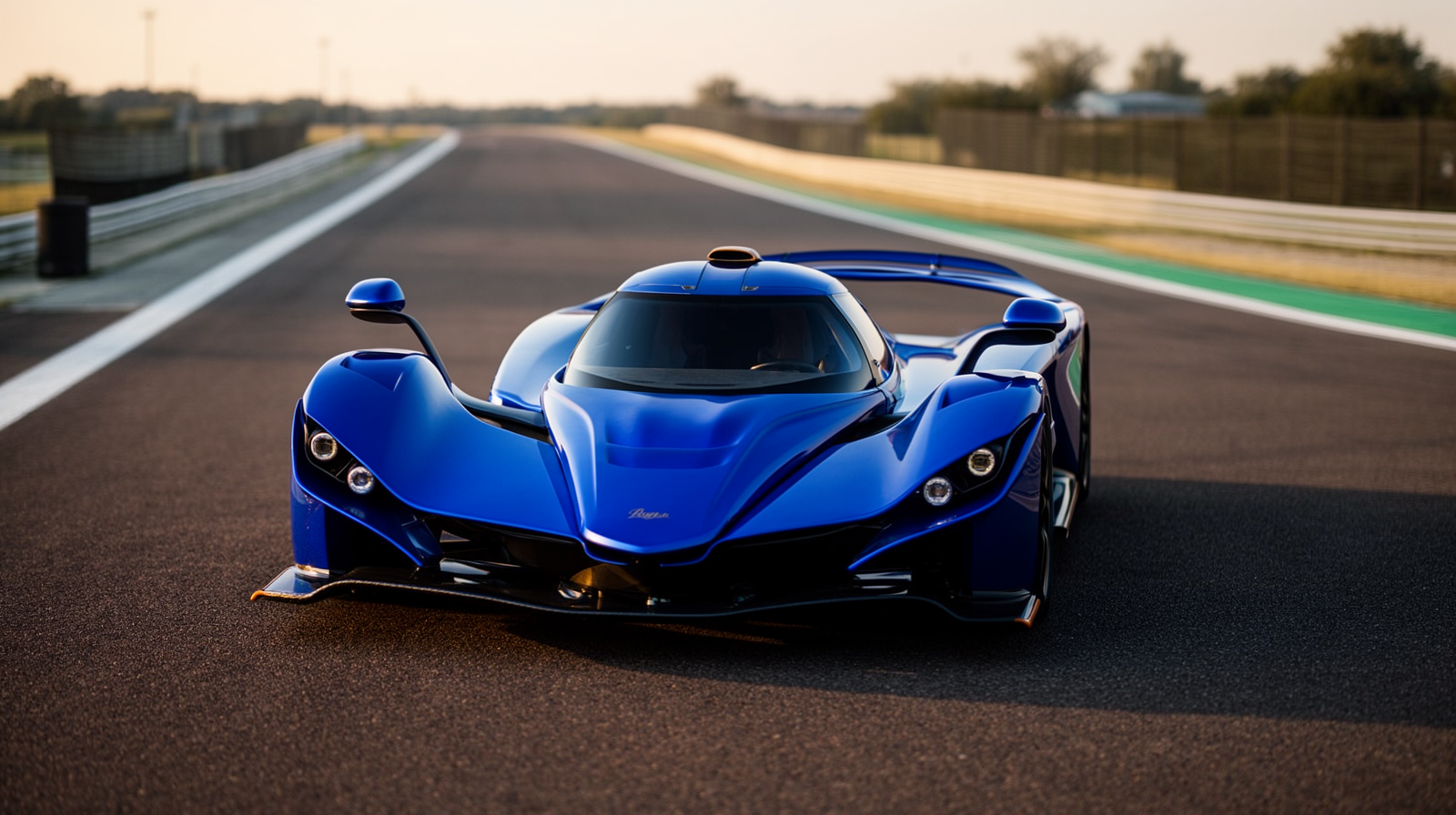
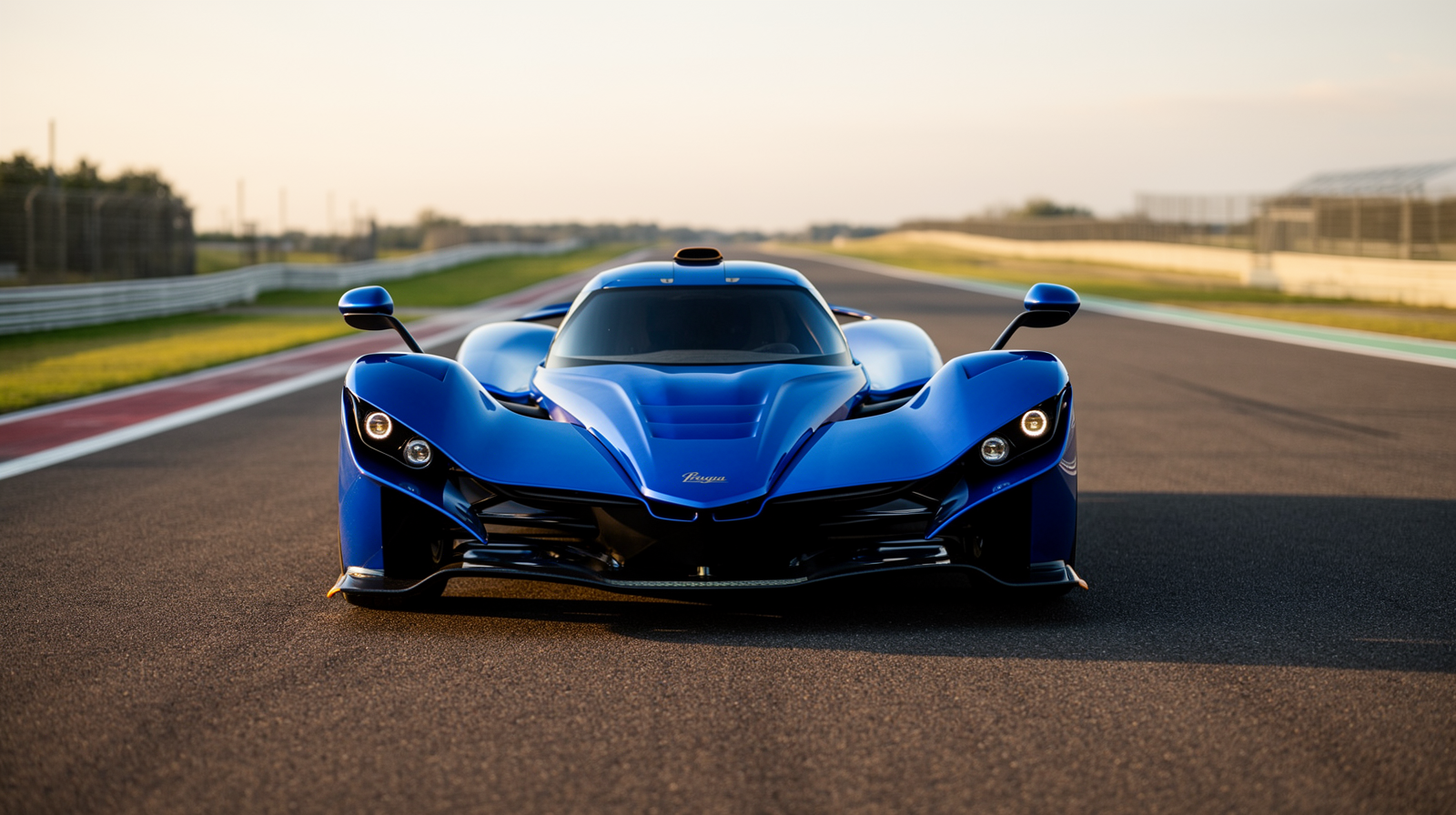
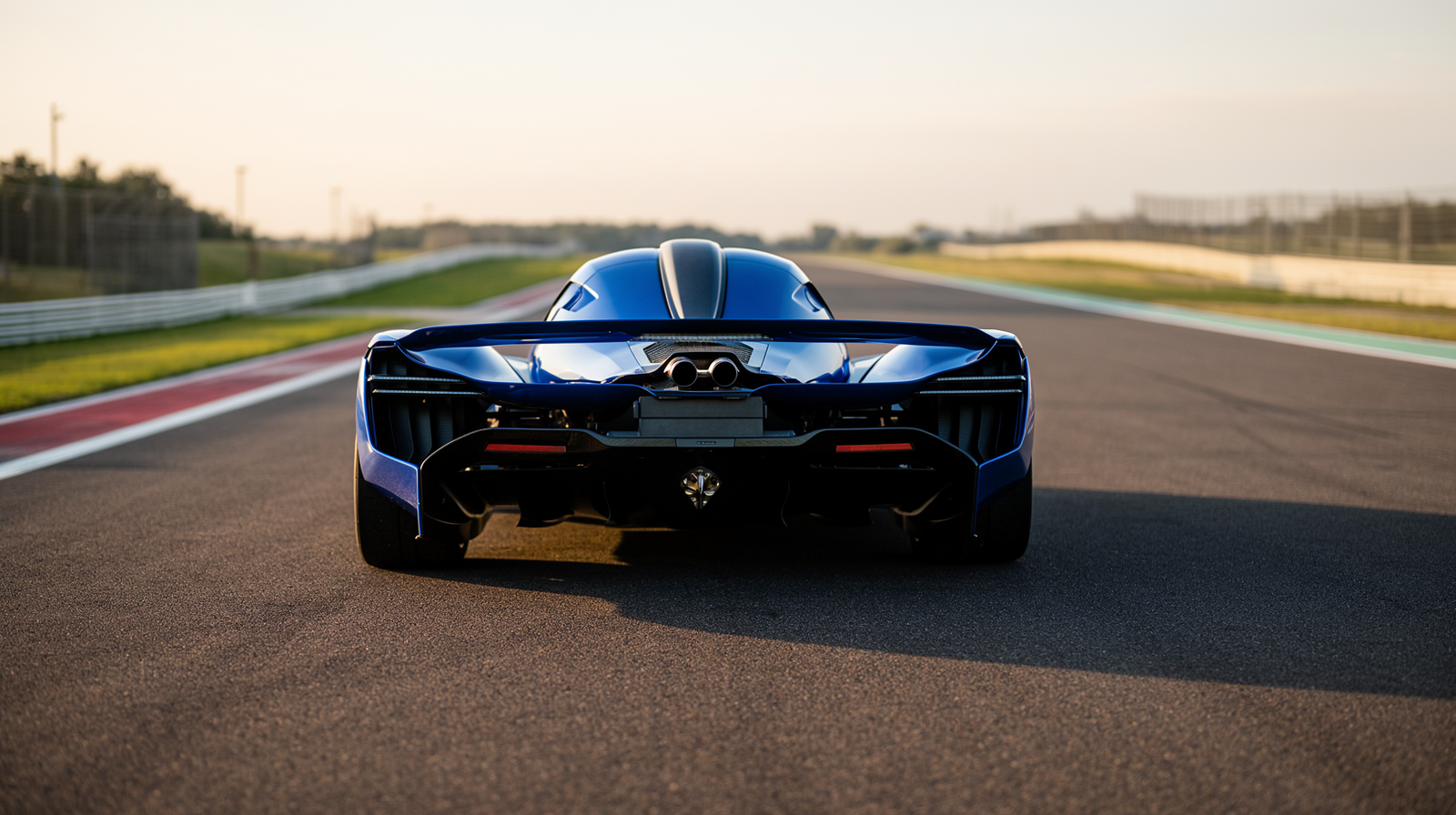
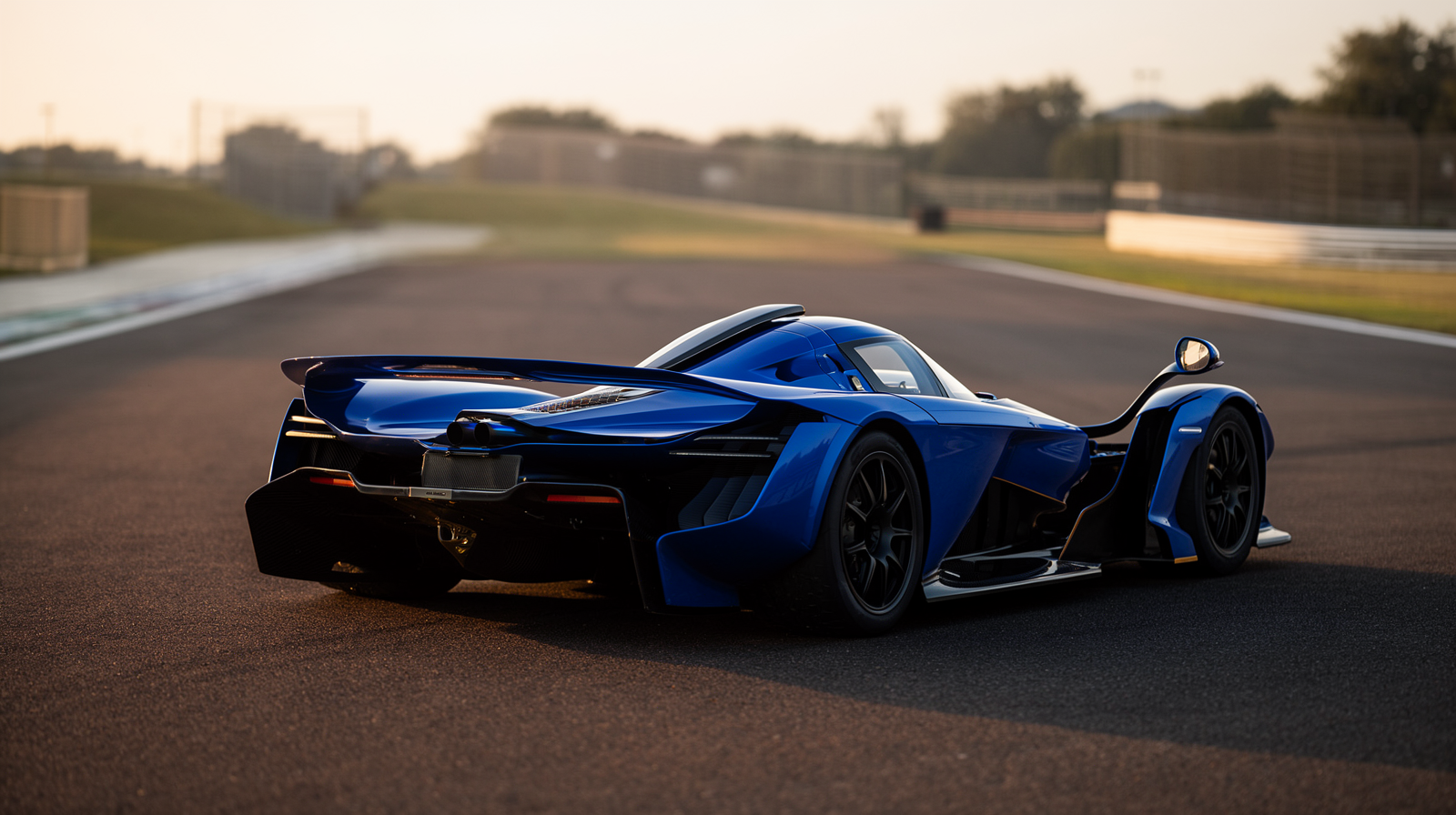
The Bohema’s silhouette is dictated almost entirely by fluid dynamics, validated in a Formula 1 wind tunnel. The design generates 900 kg of downforce at 250 km/h, effectively nearly doubling the car's weight at speed to maximize tire adhesion. The teardrop-shaped cockpit minimizes frontal area, while the separation between the fuselage and the wheel arches creates airflow channels that condition the air moving toward the massive rear wing and diffuser.
Beneath the carbon-fiber bodywork lies a torsionally rigid carbon monocoque. The cockpit structure alone comprises 56 individual carbon parts and weighs a mere 34 kg. This lightweight survival cell is supported by an inboard pushrod suspension system featuring adjustable Öhlins dampers. This layout reduces unsprung mass (totaling just 180 kg) and moves the dampers out of the airstream, further reducing drag. Braking duties are handled by 380 mm carbon-ceramic discs, ensuring fade-free stopping power commensurate with the car's track capabilities.
Production and Market Positioning
Praga has capped production at 89 units, a nod to the 89th anniversary of the brand's victory at the 1000 Miles of Czechoslovakia race. Manufacturing takes place at the Kresta Racing facility in the Czech Republic, a site chosen for its rally-bred standards of precision assembly. With a price point of approximately €1.36 million plus taxes, the Bohema occupies a unique niche. It offers the exclusivity and lap times of multi-million dollar hypercars like the Aston Martin Valkyrie but utilizes a globally serviceable powertrain, mitigating the logistical complexities often associated with boutique manufacturers.
Ultimately, the Praga Bohema is a celebration of analogue engineering. It rejects the weight of batteries and the isolation of digital interfaces in favor of a direct, unfiltered connection between the driver, the machine, and the road.