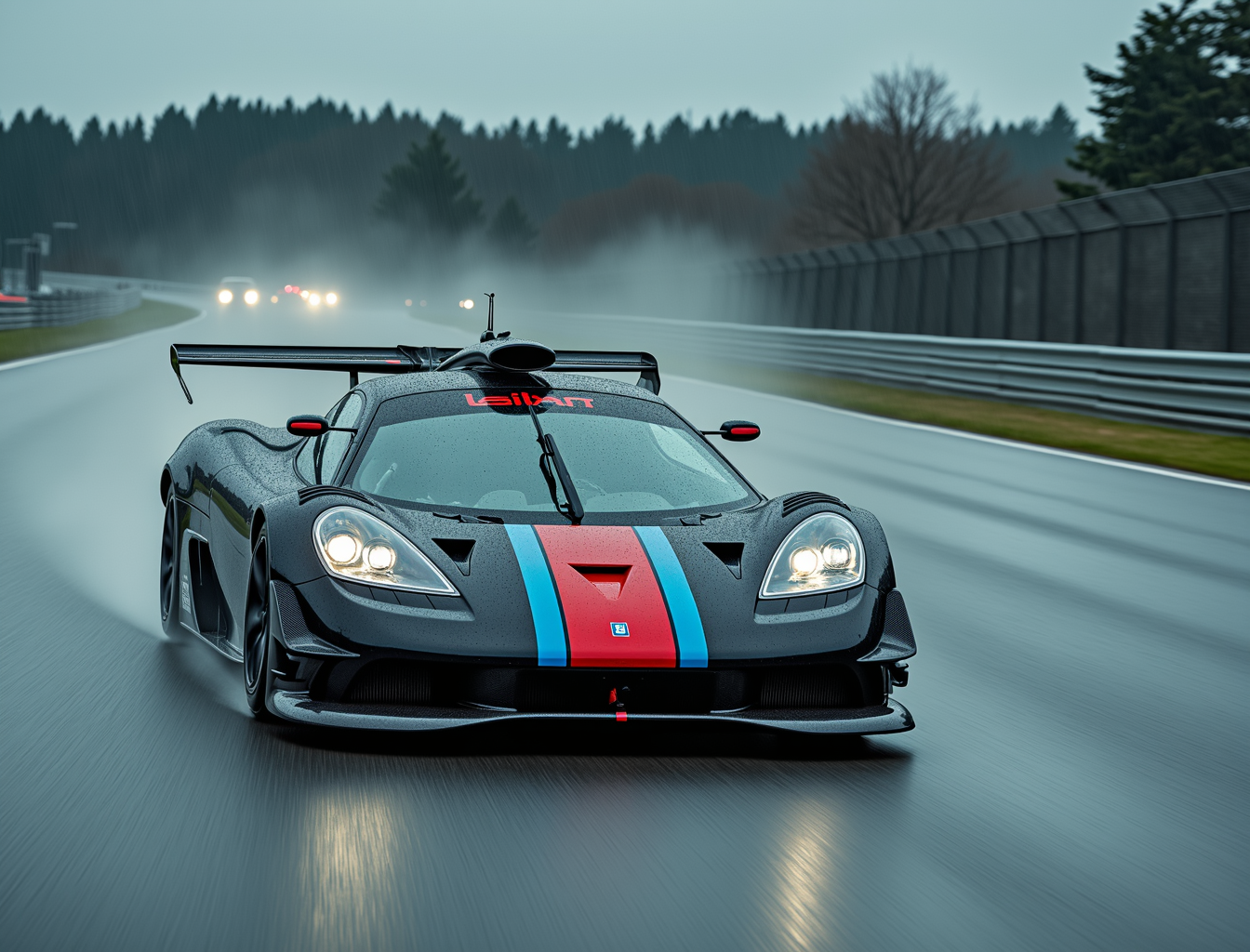
GMA T.50s Niki Lauda








詳細
ファイルをダウンロード
モデル説明
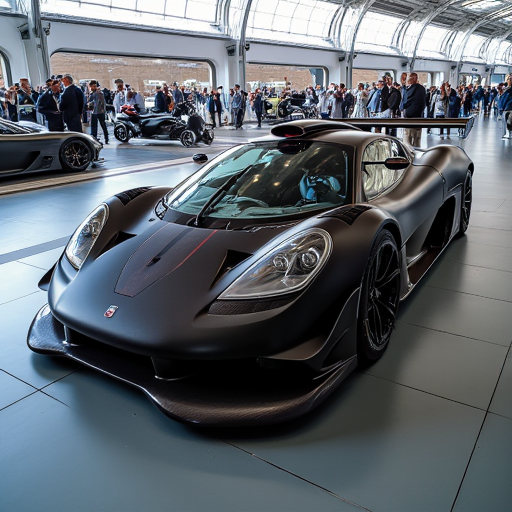
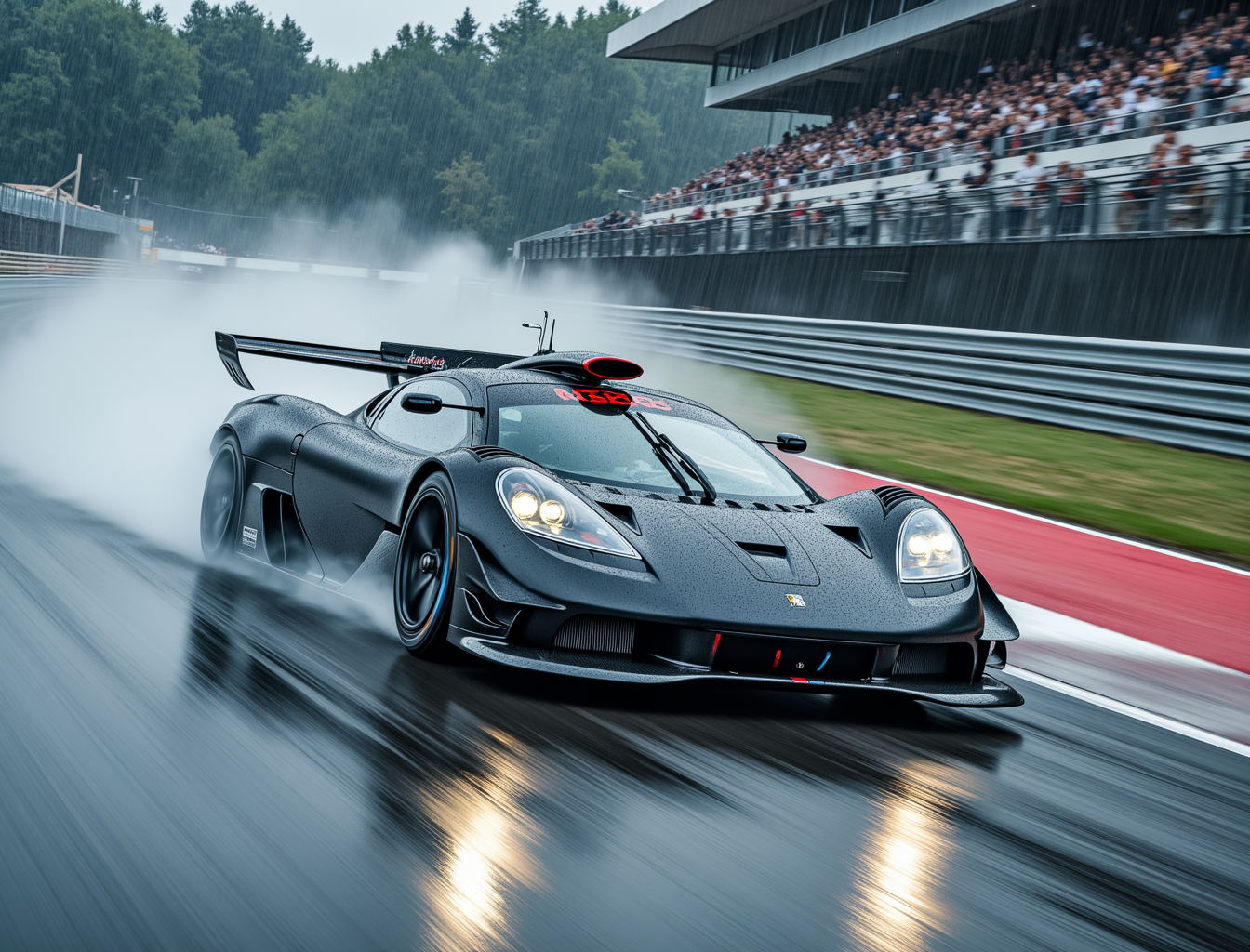
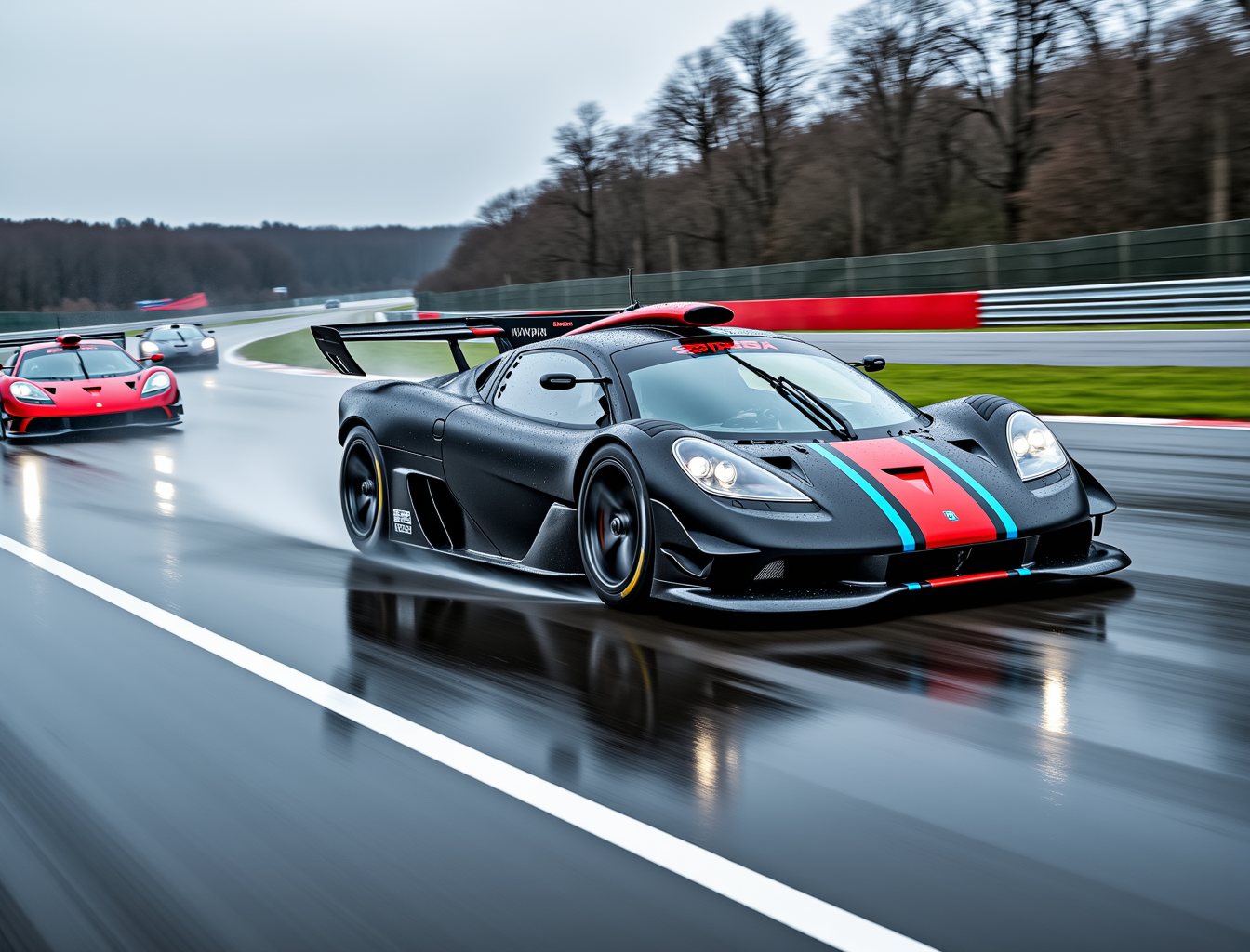
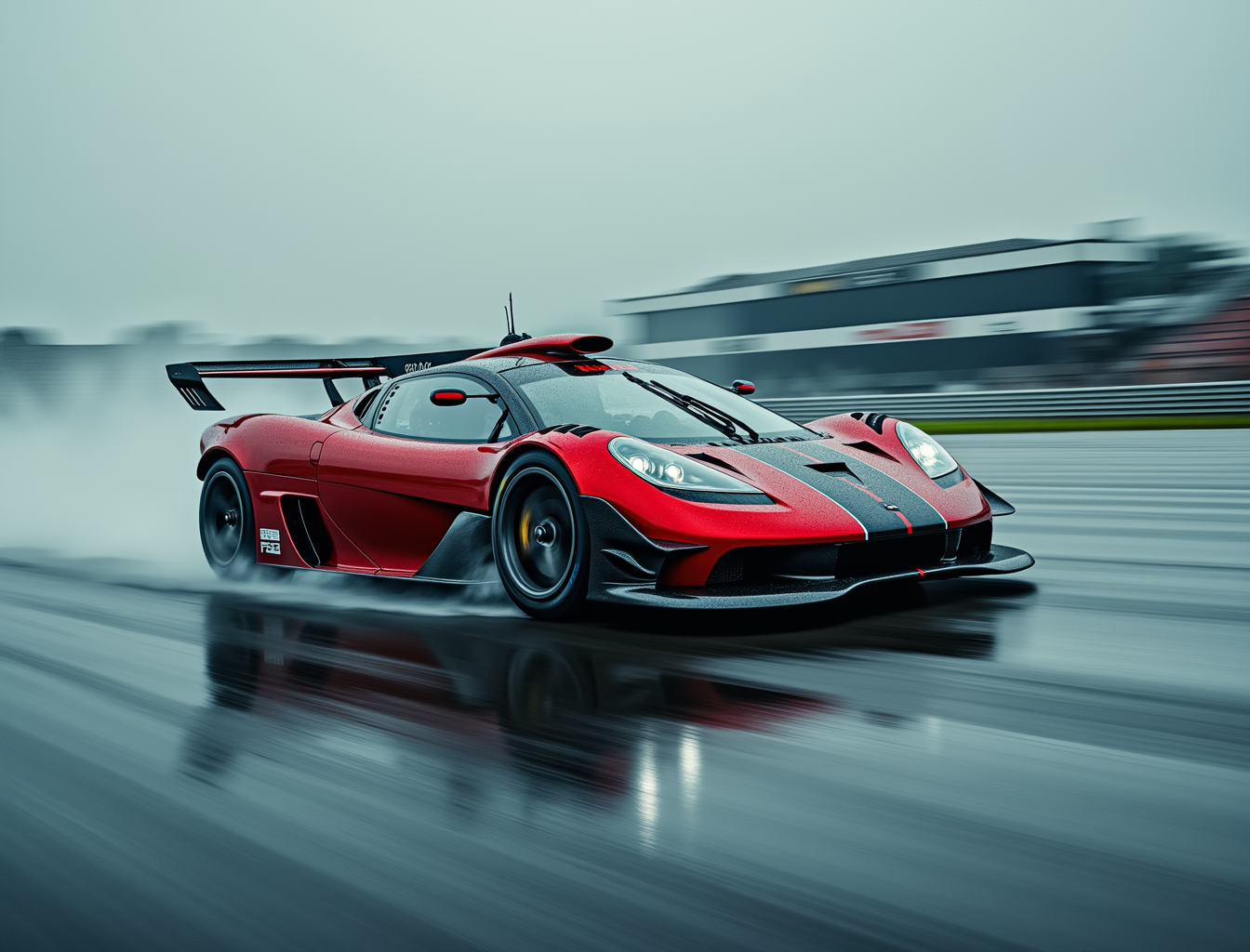
The GMA T.50s Niki Lauda feels like a machine built in defiance of time itself—an artifact from a parallel future where engineering purity won the war against complexity, and where the spirit of 1990s Formula 1 was never diluted. It’s not just a track‑only hypercar; it’s Gordon Murray’s personal manifesto, distilled into carbon, titanium, and noise.
A retrofuturistic vision made real
There’s something almost poetic about the T.50s. It looks forward with its aerodynamics, materials, and obsessive engineering, yet its soul is unmistakably analog. Murray didn’t try to out‑gun modern hypercars with hybrid torque or electric trickery. Instead, he reached back into the era that shaped him—the era of Senna, V12s, and featherweight racers—and pulled that philosophy into the present with surgical precision.
The result is a car that feels like a time capsule from a future that never happened.
The Cosworth V12: a mechanical cathedral
At the heart of the T.50s is its bespoke 3.9‑liter naturally aspirated Cosworth V12, a masterpiece that revs to 12,100 rpm and produces around 725 hp. But numbers barely scratch the surface. This engine doesn’t just make power—it sings. Its voice is a razor‑edged shriek, uncannily reminiscent of 90s Formula 1, the kind of sound that modern regulations have all but erased.
There’s no turbo lag, no hybrid fill‑in, no artificial augmentation. Just air, fuel, and combustion happening faster than your brain can process. It’s mechanical purity at its most violent and beautiful.
A featherweight fighter
Modern hypercars often weigh north of 1,300 kg. The T.50s? 852 kg. That’s not a number—it’s a philosophy. Murray has always believed that lightness is the ultimate performance multiplier, and the T.50s proves him right. Every gram is scrutinized. Every component is minimized. The result is a car that doesn’t just accelerate—it changes direction like thought.
This is why the T.50s doesn’t need 1,500 horsepower. It doesn’t need electric motors. It doesn’t need eight gears. It’s fast because it’s light, and it’s light because Murray refuses to compromise.
The fan car returns
The most retrofuturistic element of all is the rear-mounted fan, a direct descendant of Murray’s infamous Brabham BT46B “fan car.” In the T.50s, the fan isn’t a gimmick—it’s a weapon. It actively manipulates airflow to assist the car's aerodynamics generate up to 1,500 kg of downforce, allowing the car to corner with an intensity that approaches Formula 1 territory.
It’s a piece of banned F1 history reborn in carbon fiber.
A gearbox with soul
While modern hypercars chase ever‑faster dual‑clutch systems and eight‑speed units, the T.50s uses a 6‑speed Xtrac sequential gearbox—a deliberate nod to the raw, visceral feel of race cars. It’s lighter, more direct, and more emotionally engaging. Every shift is a physical event, a reminder that you’re part of the machine, not just a passenger in a technological cocoon.
A driver’s car in a world of computers
There are no giant touchscreens. No driving modes designed by committees. No layers of electronic insulation. The T.50s is a car that demands skill, rewards bravery, and punishes hesitation. It’s a machine built for people who want to drive, not just experience speed.
A tribute to Niki Lauda
Naming the car after Niki Lauda isn’t marketing—it’s reverence. Lauda was a driver defined by precision, courage, and relentless pursuit of performance. The T.50s embodies those same qualities. It’s a car that doesn’t just honor motorsport history; it extends it.
Why the T.50s Niki Lauda is truly unique
It’s the lightest hypercar of its kind.
It has the highest‑revving production V12 ever made.
It uses fan‑assisted aerodynamics, a concept banned from F1.
It rejects modern excess in favor of engineering purity.
It delivers an F1‑like experience without being an F1 car.
In a world obsessed with numbers, the T.50s Niki Lauda is obsessed with feel. It’s a rebellion against the digital age, a love letter to motorsport’s golden era, and a glimpse into the alternate future Gordon Murray always believed in.