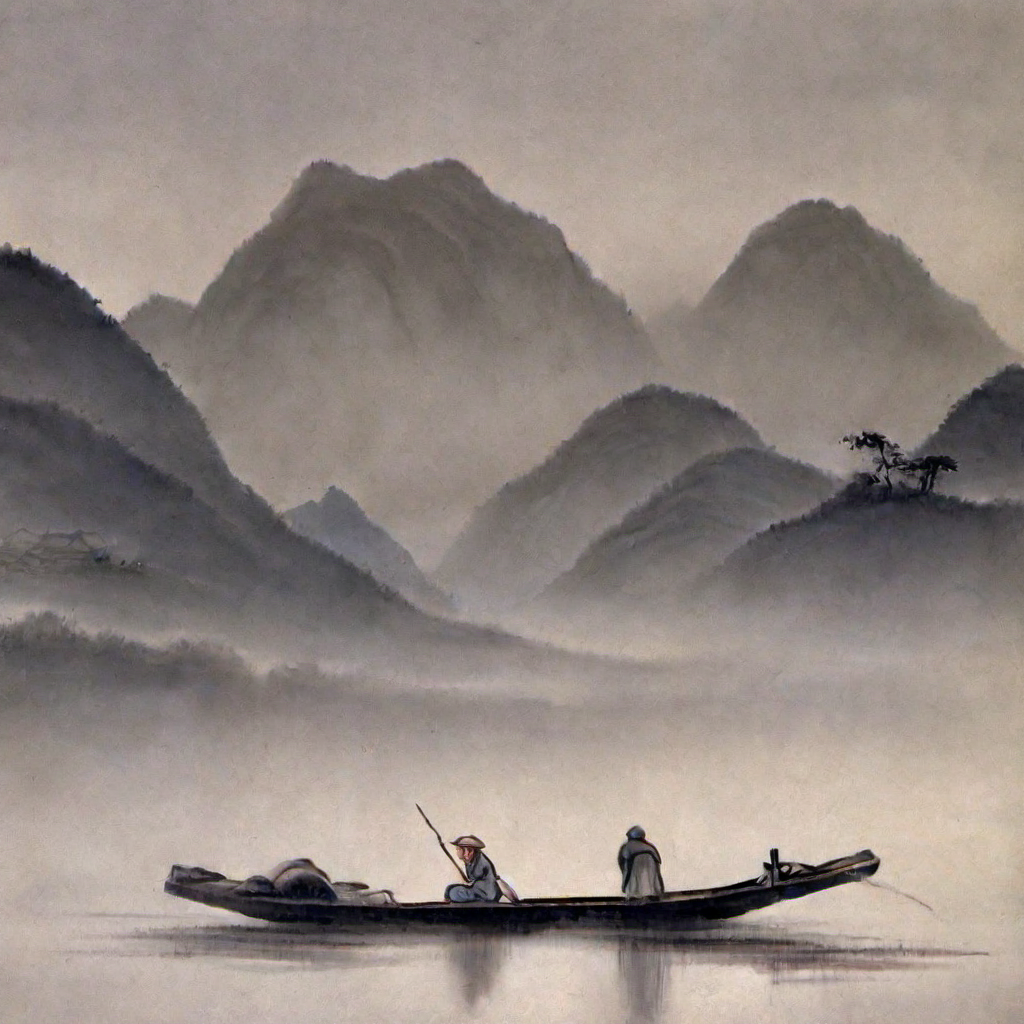
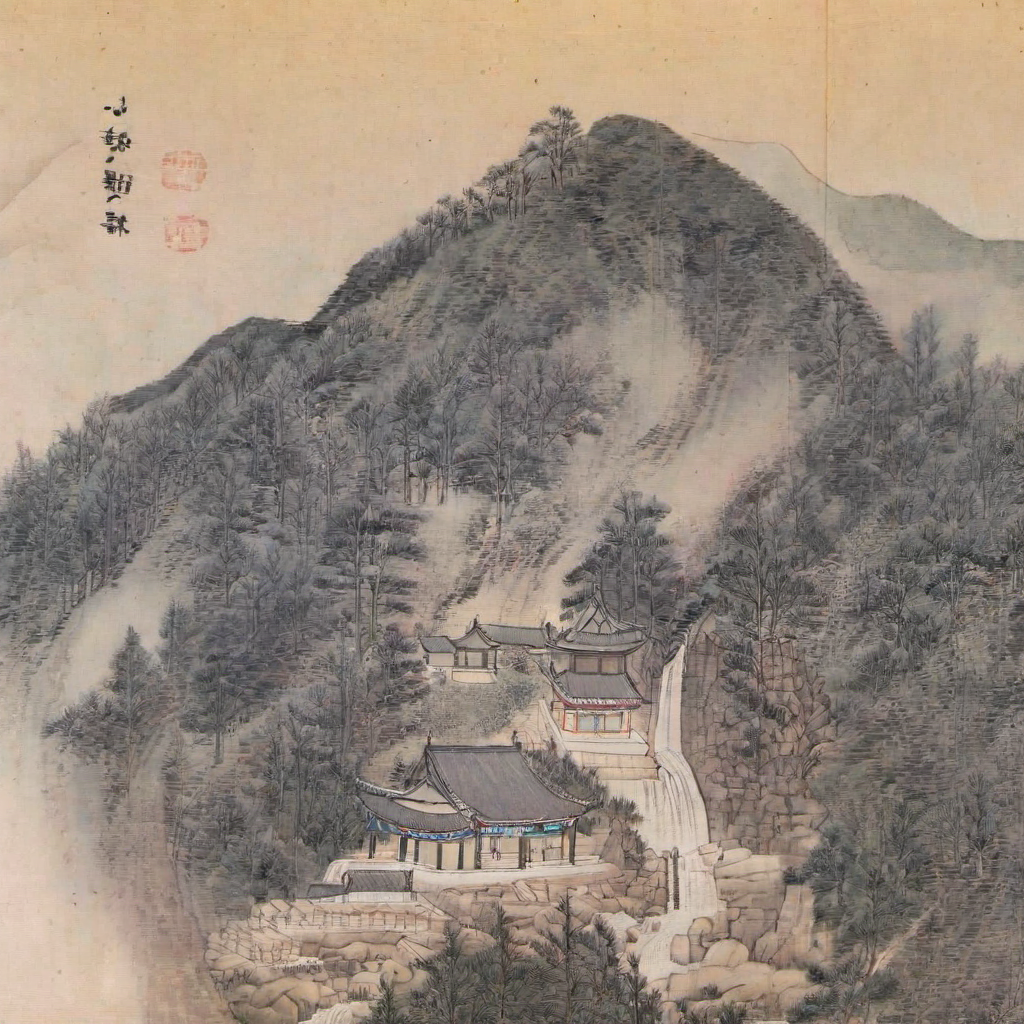
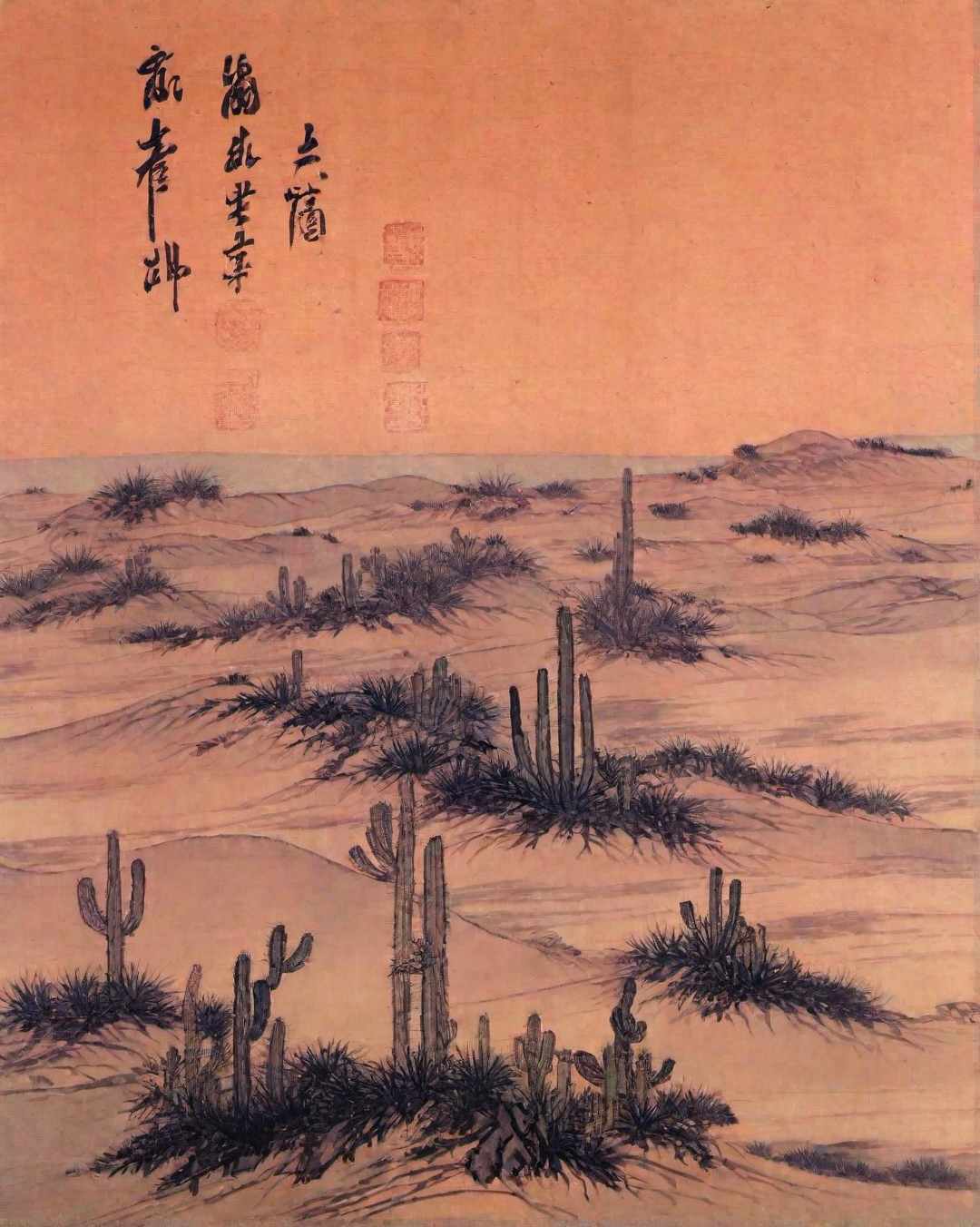
Traditional Korean Painting Model




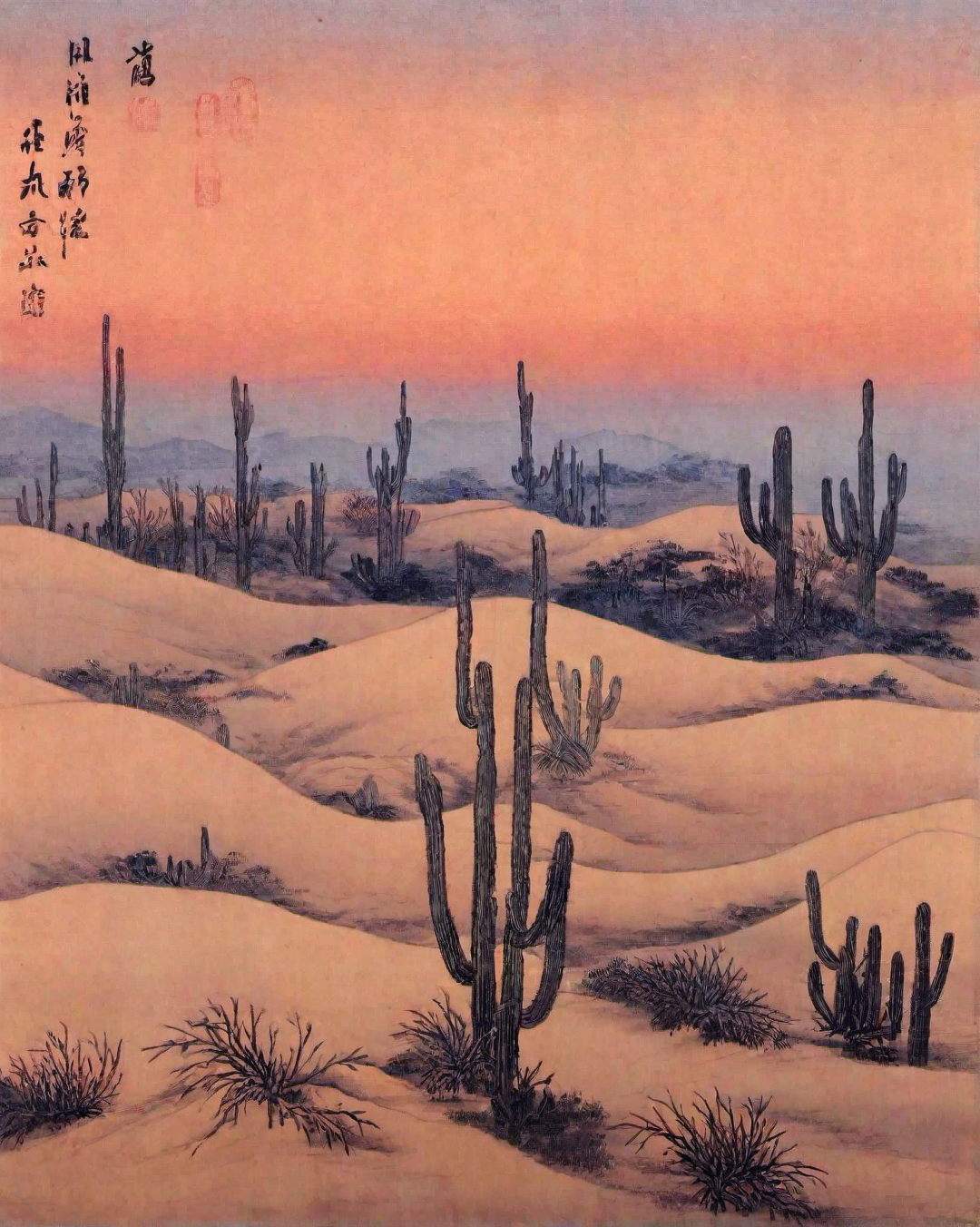
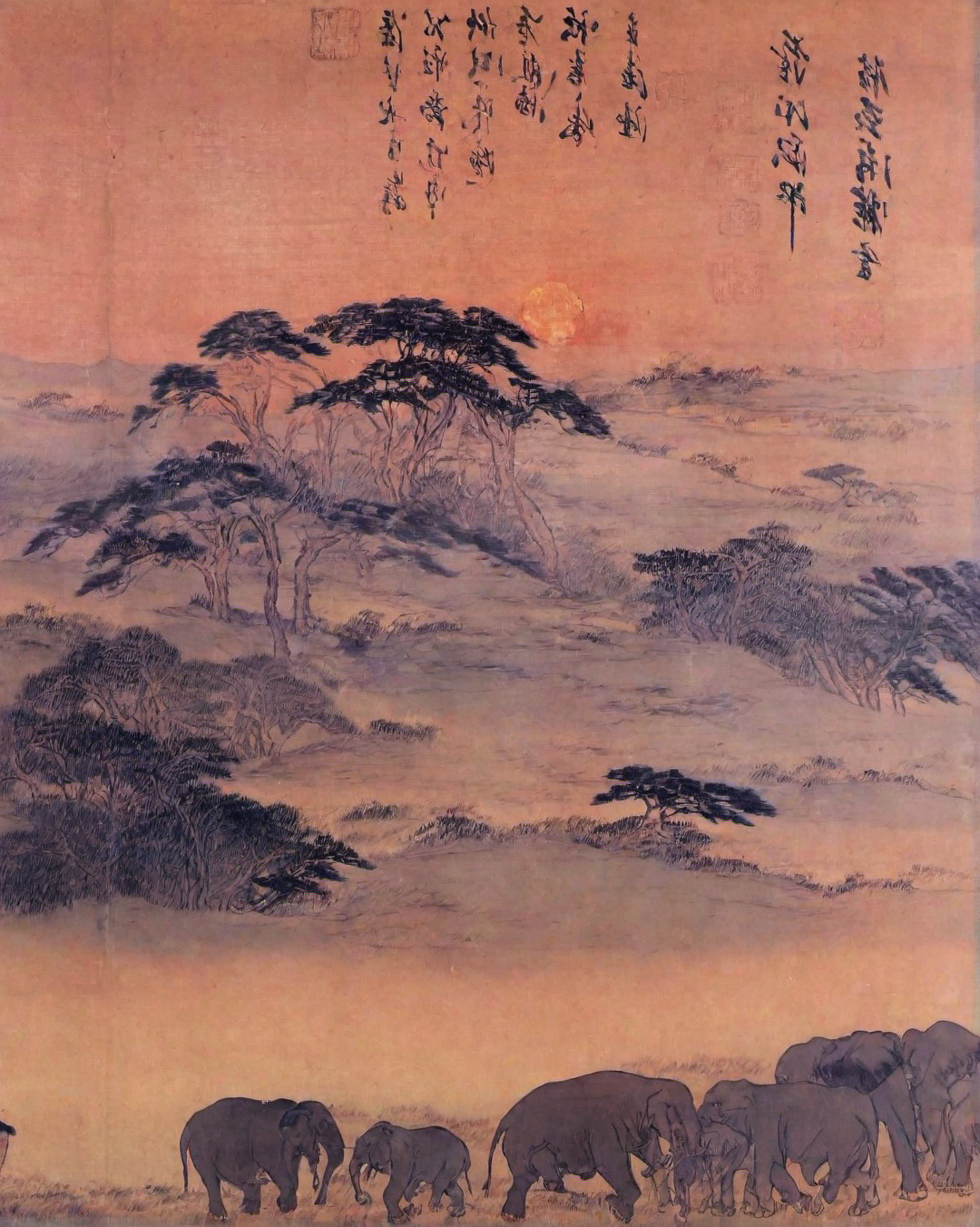
詳細
ファイルをダウンロード
このバージョンについて
モデル説明
Traditional Korean Painting Model
(Translated from English using DeepL)
I changed the model name because I felt it was creating unnecessary misunderstandings. I fine-tuned it with data from Joseon era painters, modern Korean paintings, and ink paintings.
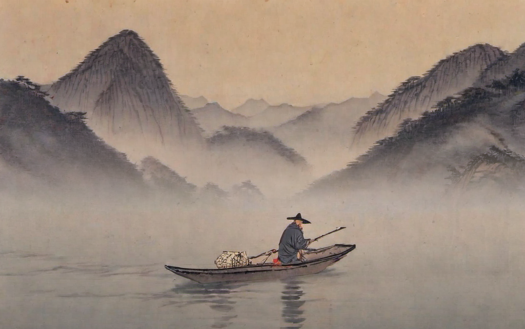
After creating the hypernetwork and the SD1.5-based model, a model called SDXL emerged just a few months later. At that time, I did not work on SD2.1-based models because using ControlNet was difficult, and it wasn’t clearly better than SD1.5. While prompt-based changes are indeed noticeable, and the reproduction of known subjects appears slightly better, there was no clear advantage over the higher hardware requirements. However, with SDXL, there was talk and support indicating that ControlNet and various other features would be supported out of the box, and the required hardware specs for supported resolutions were not excessively high, so I decided to give it a try.
For more information on how it was created, see this article.
HuggingFace Link
https://huggingface.co/gagong/Traditional-Korean-Painting-Model-v2.0
https://huggingface.co/gagong/korean-sumukhwa-model-ver-1
Used data
Joseon Dynasty Painters Link
Because the number of paintings by Joseon Dynasty painters is limited, I increased the dataset by fragmenting the images and flipping them horizontally. In total, 5,684 paintings were used.
Digital K-art data Link
I narrowed down the initial 11,246 images to 6,253. Since the AIHUB dataset is extremely extensive, I first filtered it down to already-labeled data, resulting in 11,246 images. From these, I selected those closest to square shapes, yielding 6,253 final images.
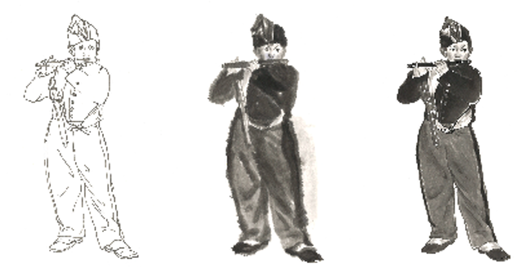
Production data for traditional Korean ink paintings by style Link
I used 5,860 images cropped into square formats. This dataset is also vast, so the quantity could be increased, but I set it to a similar scale as the Joseon-era painter dataset.
A sample of this data is shown below.
User Guide (SDXL version)
Usage Tips
In general, the higher the CFG scale, the poorer the quality. We don’t recommend setting it above 10. However, shorter words appear to be less affected.
The longer the prompt sentence, the more likely the output will resemble a generic photo. Increasing the weight of trigger words does not necessarily improve the result.
The recommended CFG scale is between 4–8.
Avoid using low-quality trigger words in isolation.
Although I haven’t tested using multiple trigger words simultaneously, it is generally believed this would yield better results.
If the output looks too much like a photograph, try adding prompts such as "painting" or "style" for better results. ex) kimhongdo painting
Since I haven’t used this extensively yet, these recommended methods may be updated in the future.
Trigger Words List
Note that this does not accurately reflect the actual painting style of the artists.
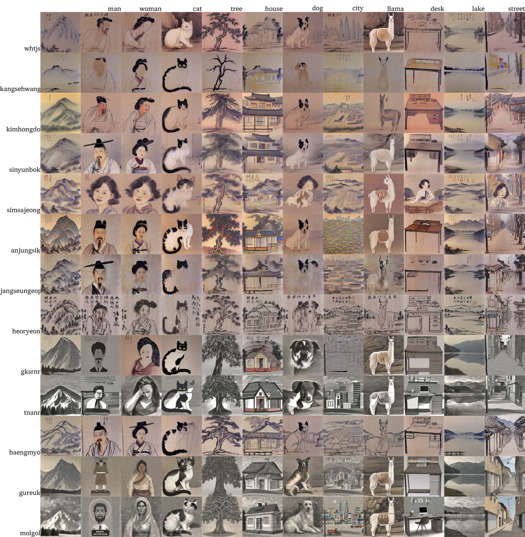
View as a larger image Link
whtjs
Emulates the average painting style of a Joseon era painter.kangsehwang
Drawn in its simplest form.kimhongdo
Highest quality.sinyunbok
Second highest quality.simsajeong
Higher probability of a woman’s face appearing in the image.anjungsik
Lowest quality.jangseungeop
Second worst quality.heoryeon
Produces results with the least color.gksrnr
Creates modern shapes. Body errors occur frequently.tnanr
Produces an average representation of the three ink painting techniques below.baengmyo
Results are often similar to those of 'whtjs'.gureuk
The result features a picture with a thin border.molgol
Produces results with no visible boundaries.
User Guide (SD 1.5 version)
Trigger Words: GKSRNRGHK, RLAGHDEH
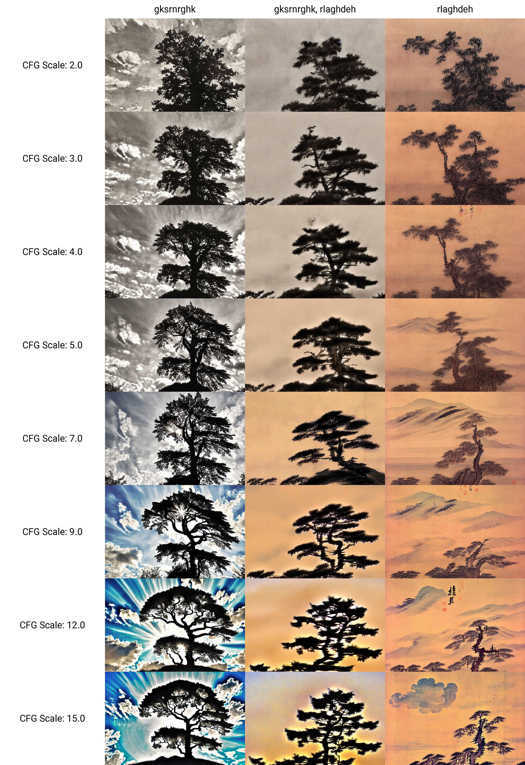
Approximately 6,000 images of Korean ink wash paintings and around 1,000 of Kim Hong-do's works were used. Because of this, for Korean ink wash style, it is recommended to use a CFG scale between 2–7. For Kim Hong-do’s painting style, a range of 4–12 is recommended. If using both styles together, an intermediate value is advised. The step count also affects the output, so finding the right value is important.
Although performance is not strong, prompts related to techniques are applied. When using them, you can apply the following prompts. (Note: only subtle differences may occur.)
Baekmukbeob: baegmyobeob
Molgolbeob: molgolbeob
Guleugbeob: guleugbeob
To emphasize Kim Hong-do’s painting style, combine the prompts "rlaghdeh style" and "rlaghdeh painting".
Sample Images
Sample image from txt2img.