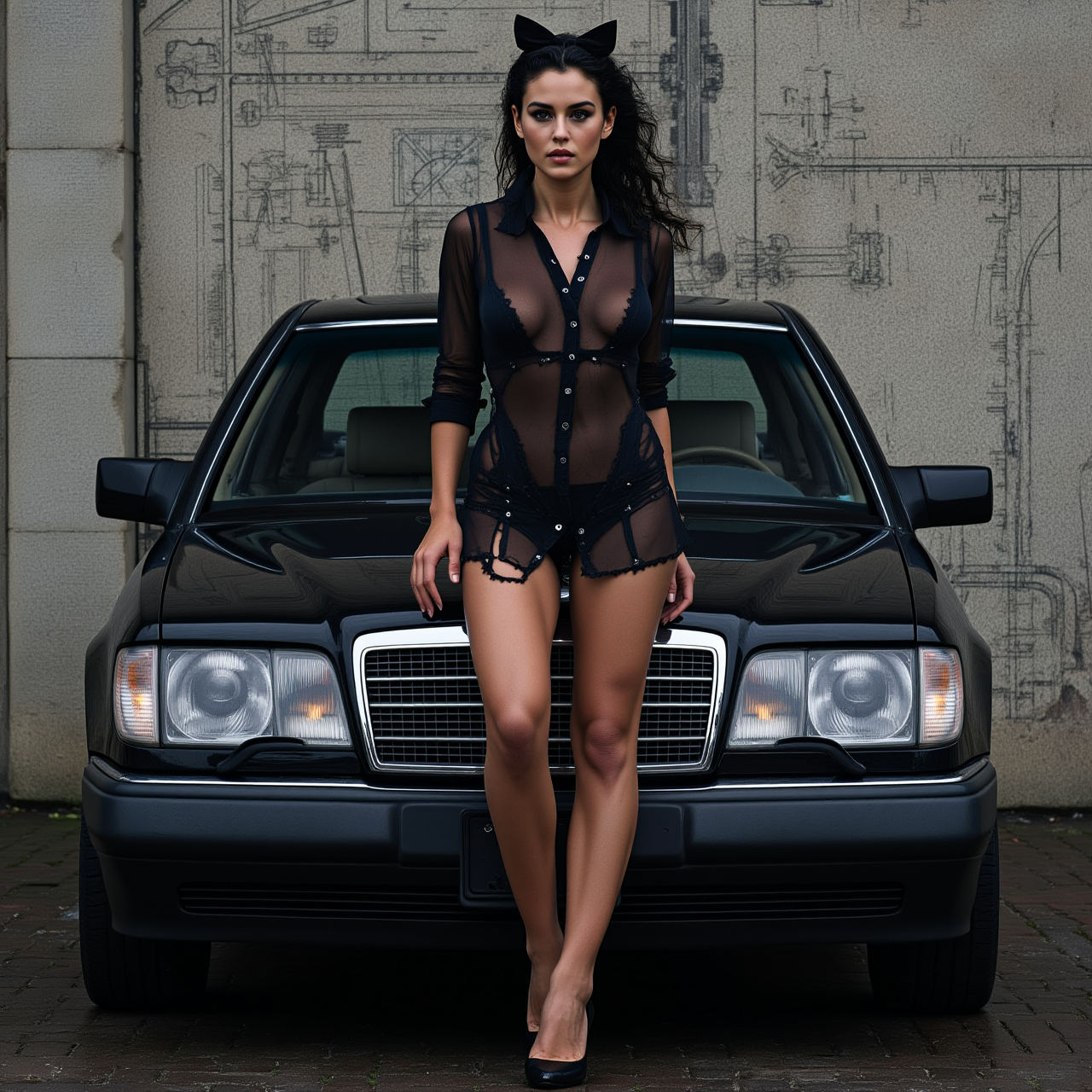
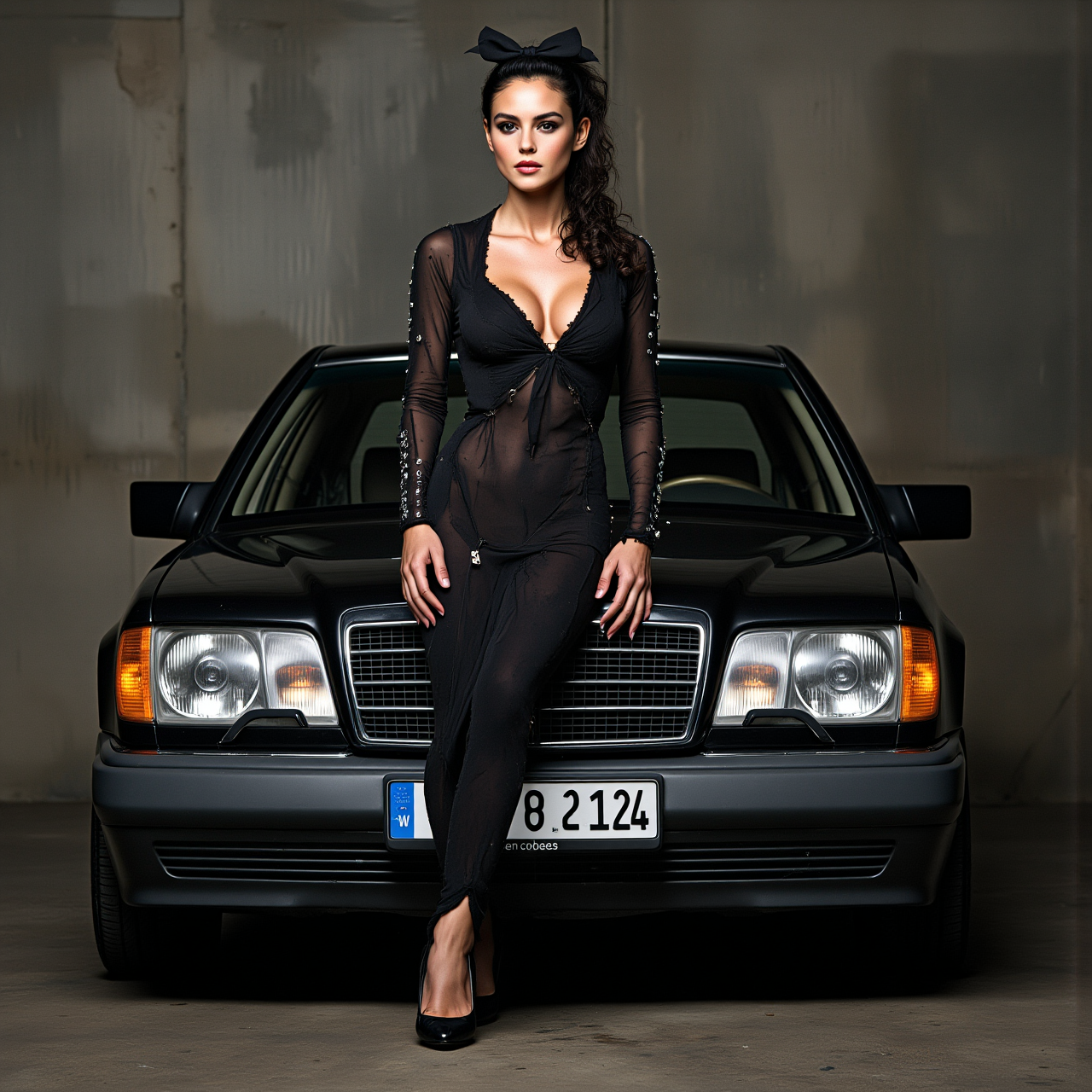
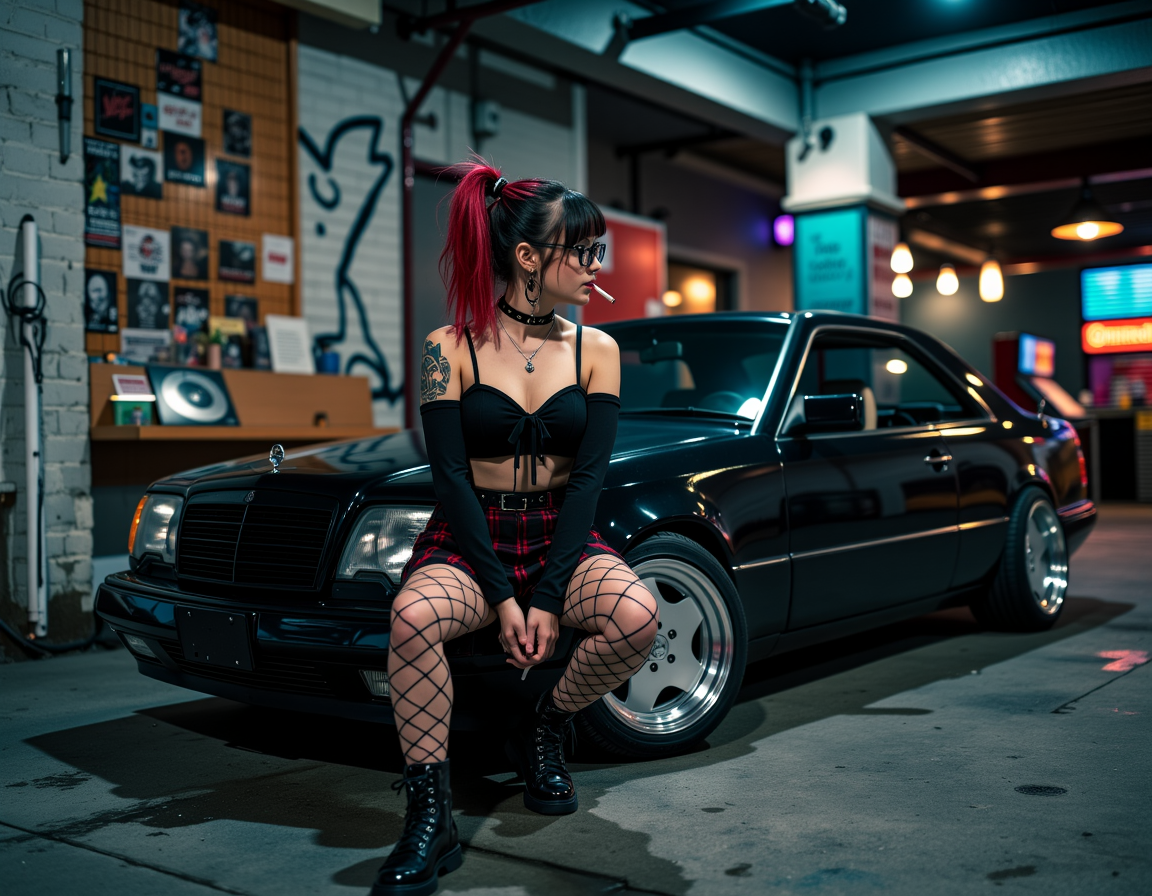
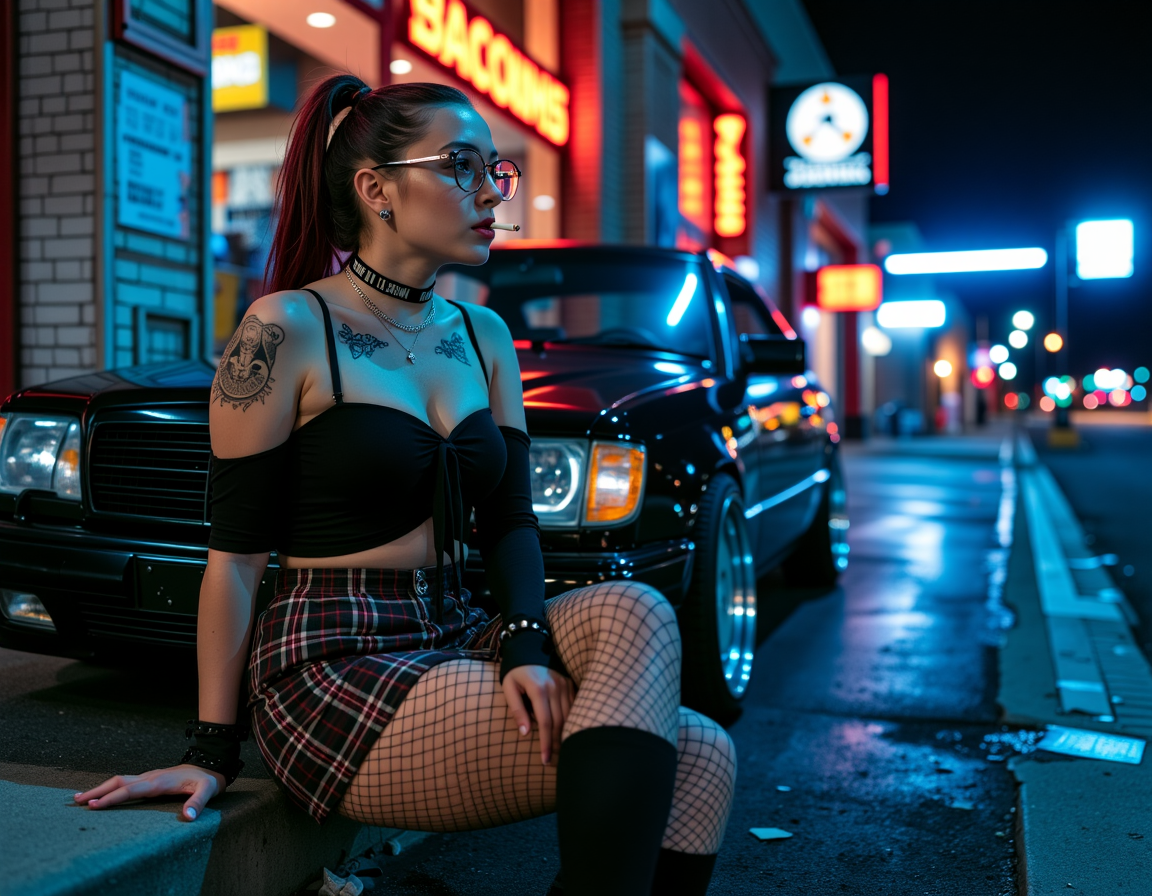
Mercedes Benz W124 E320 Coupe 300CE (Custom)

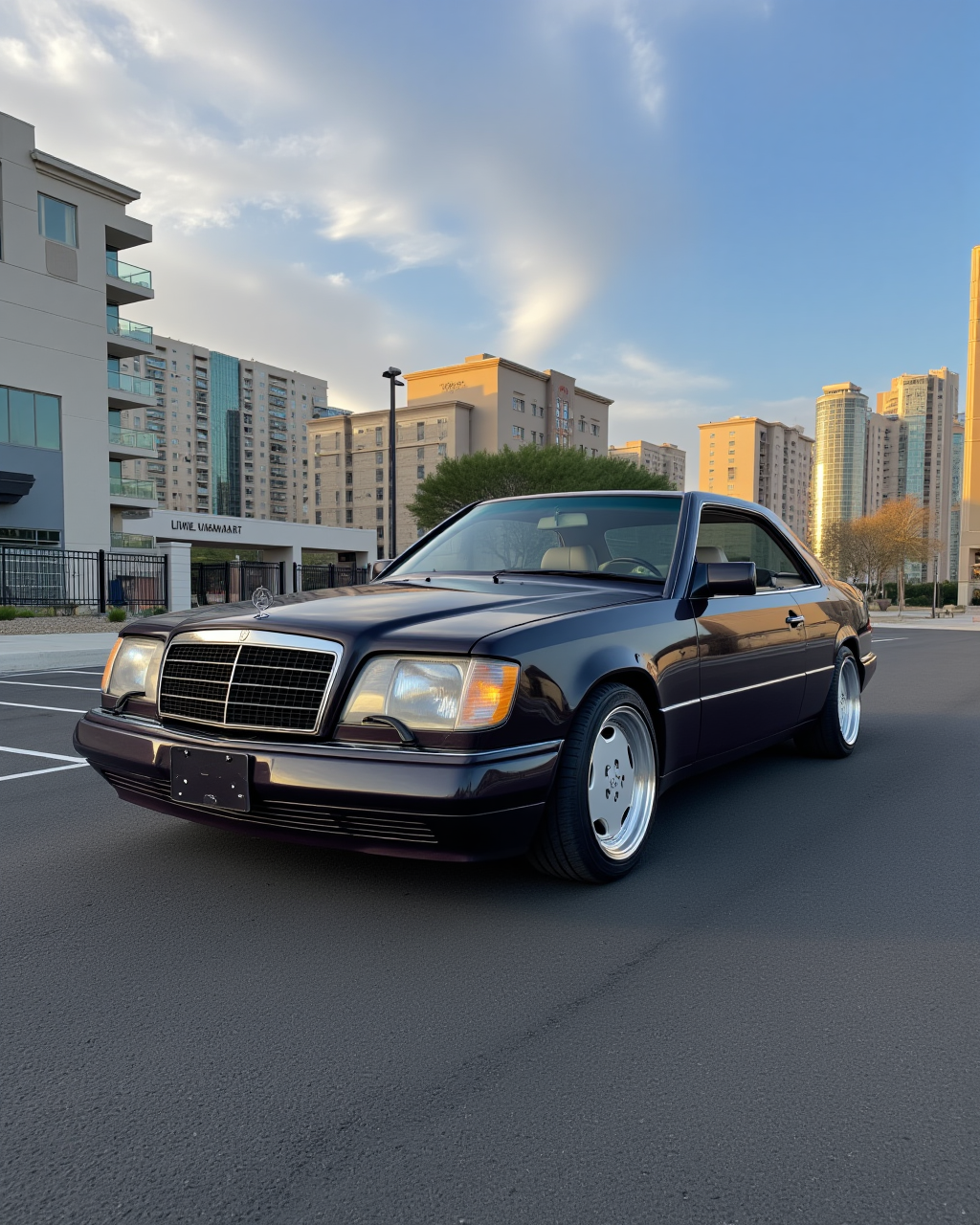
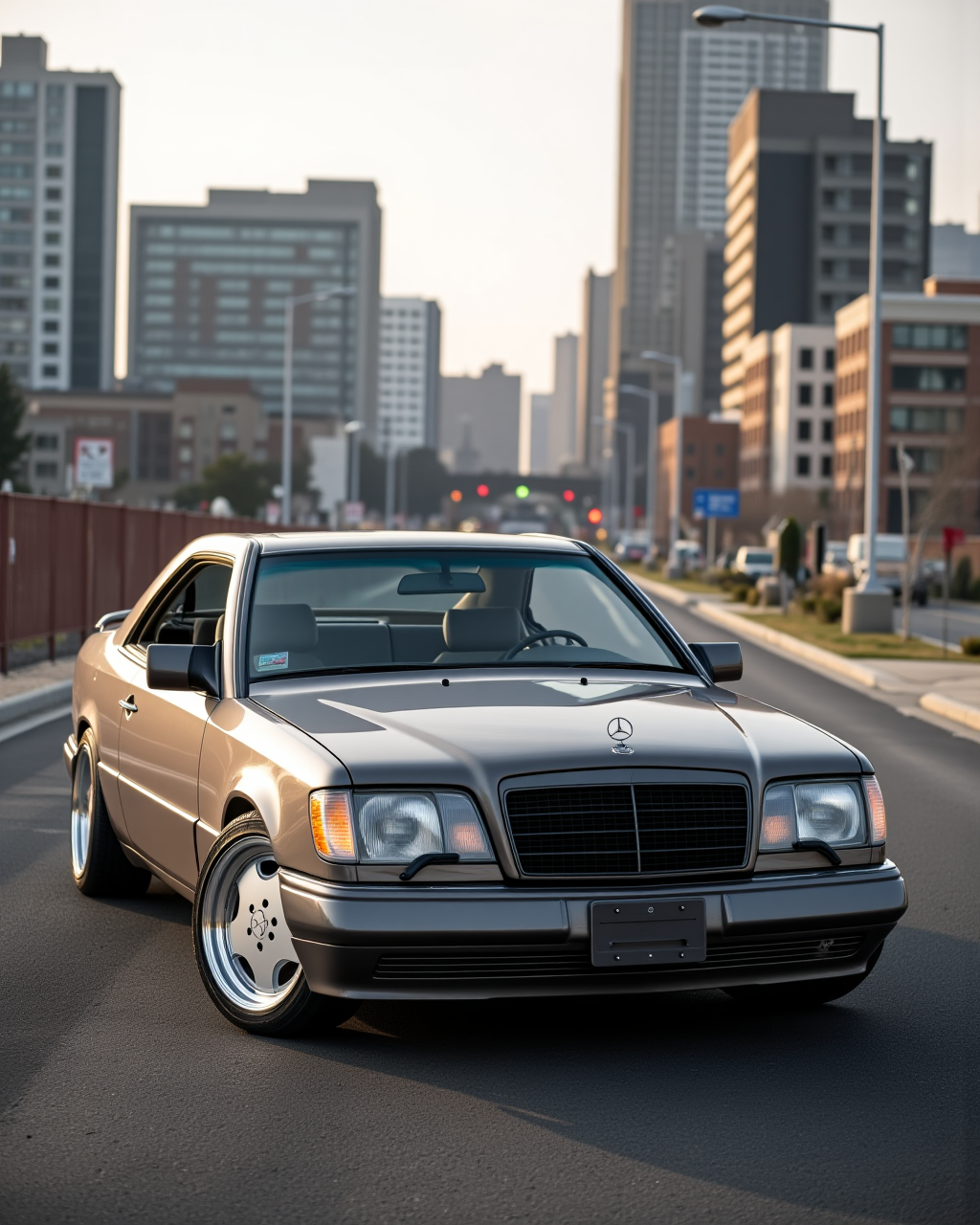
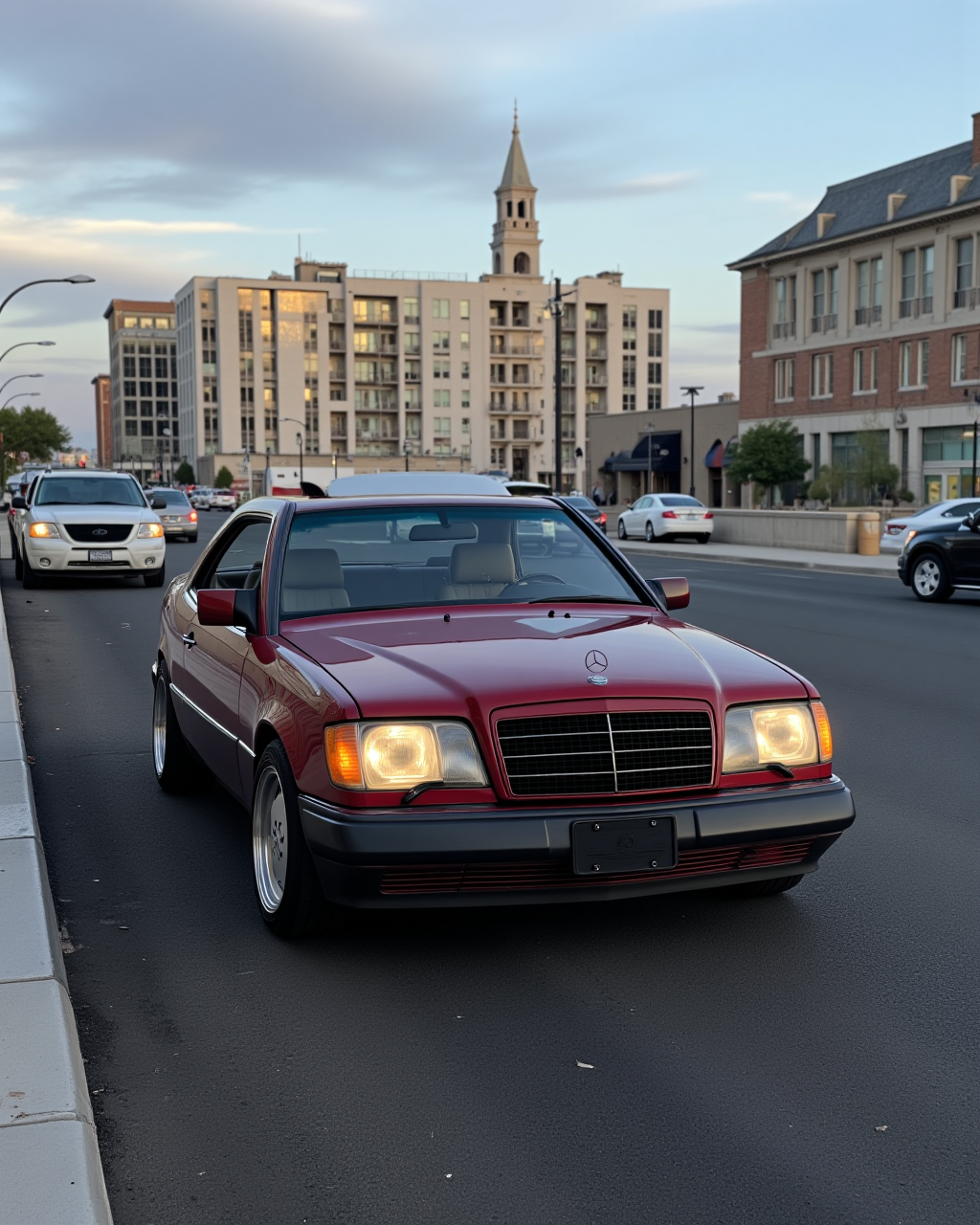
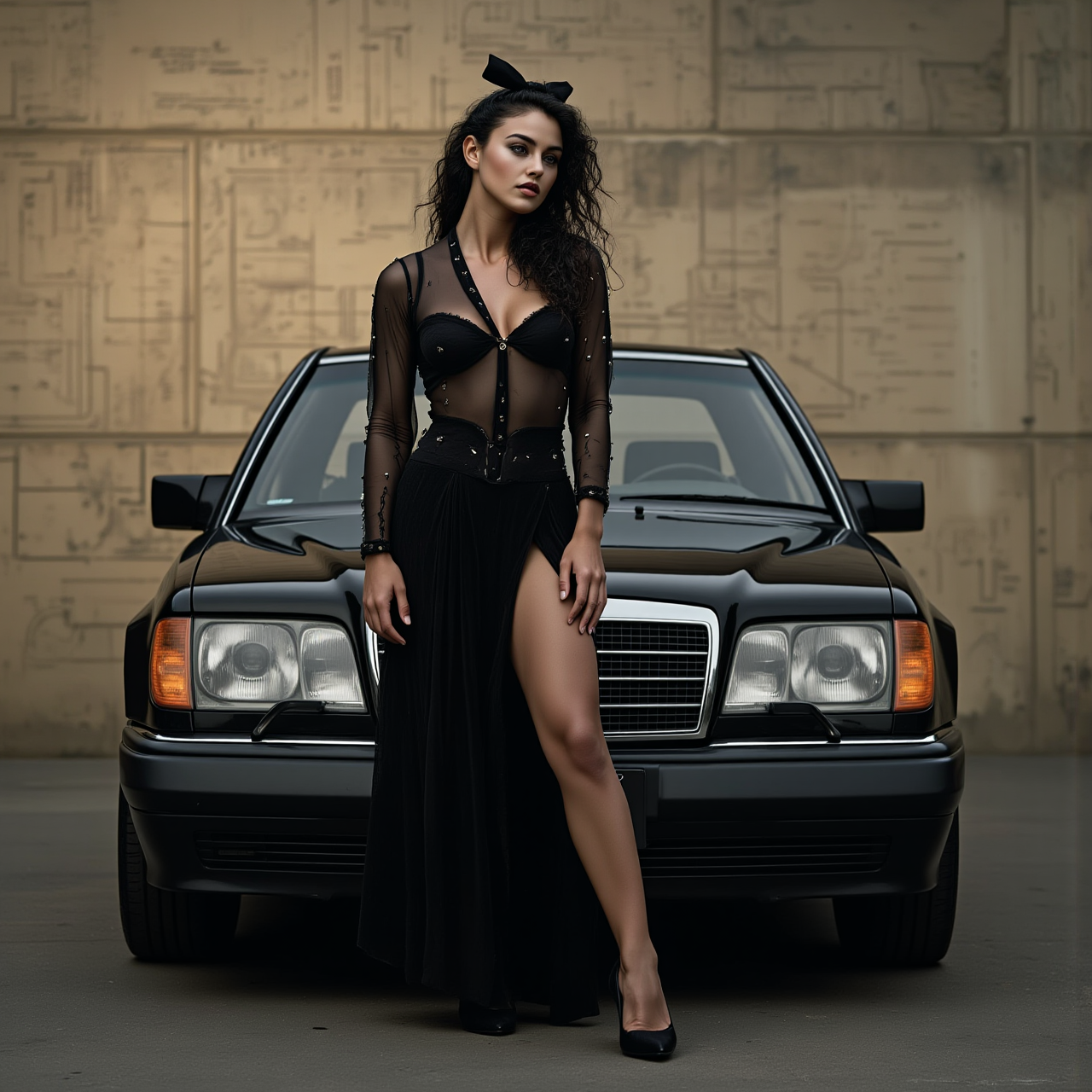
Details
Download Files (1)
Model description
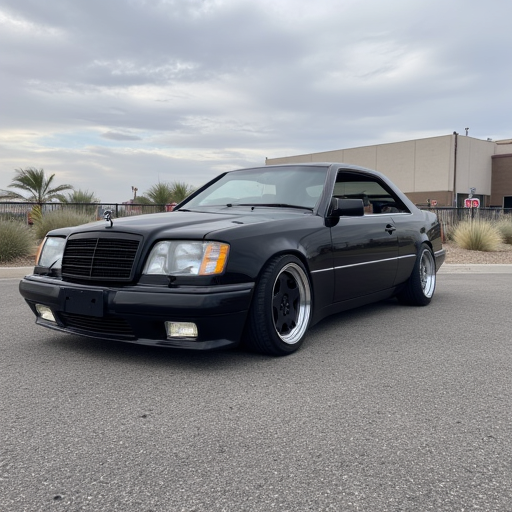
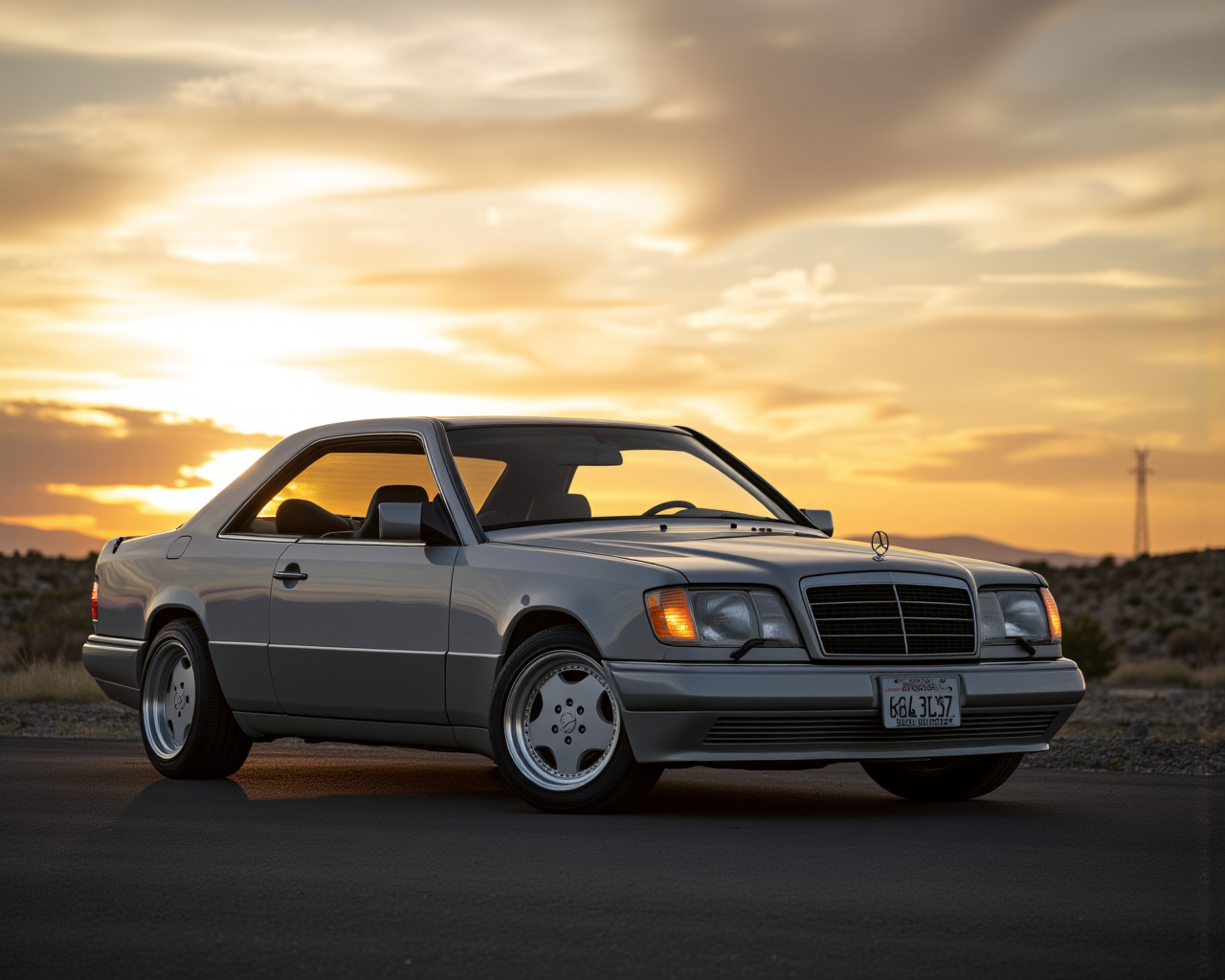
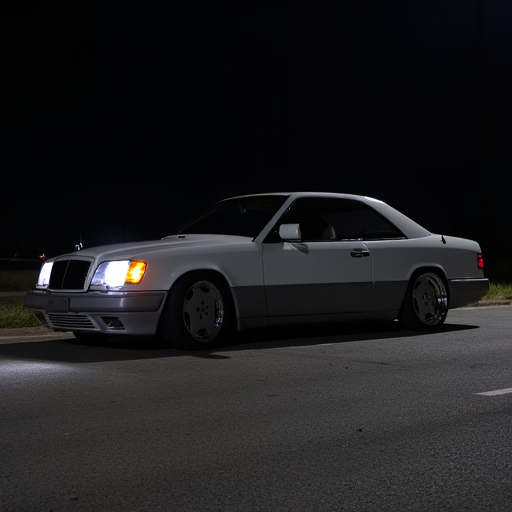
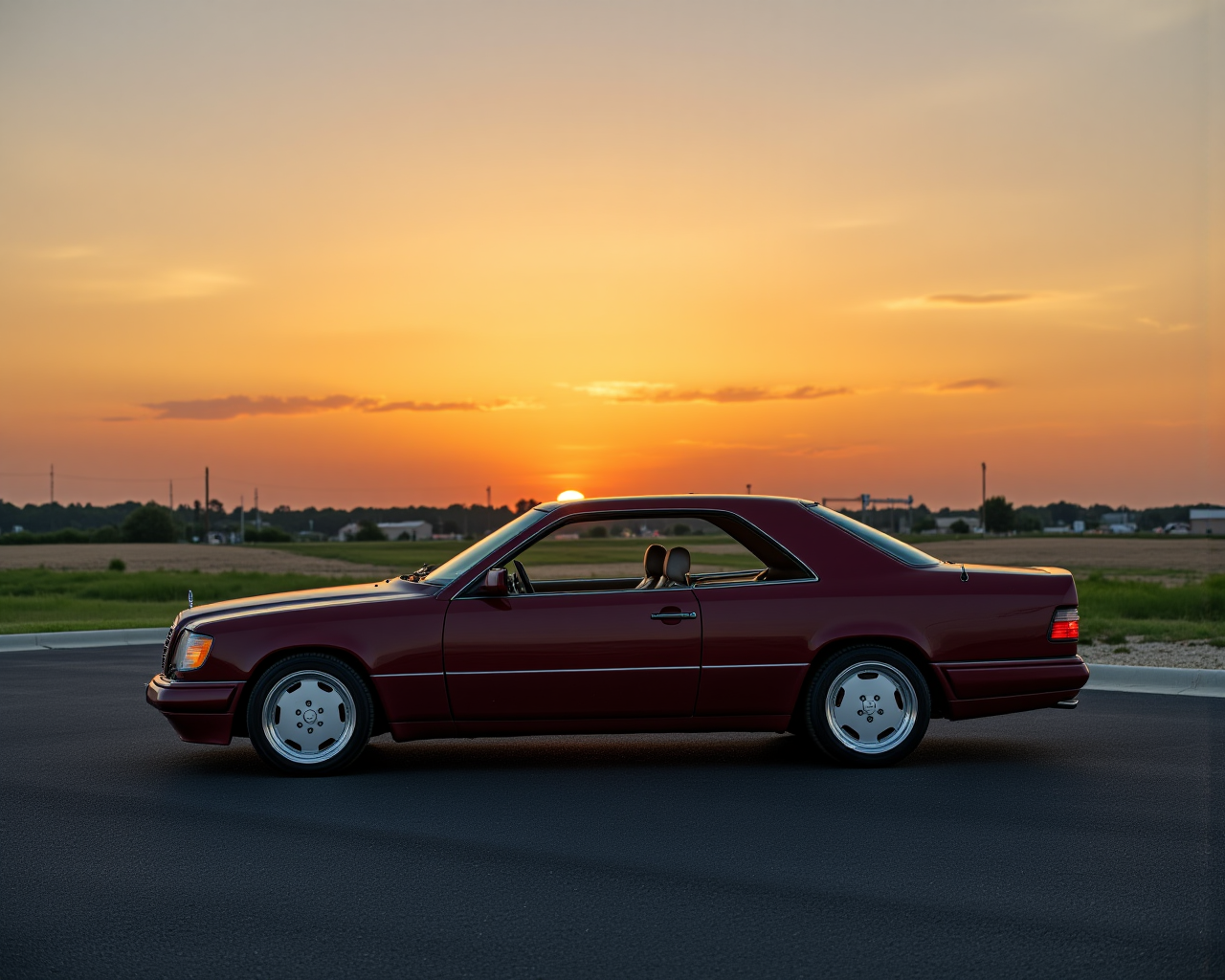
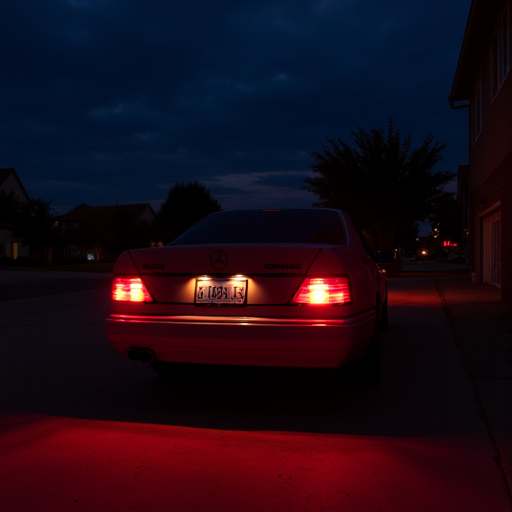
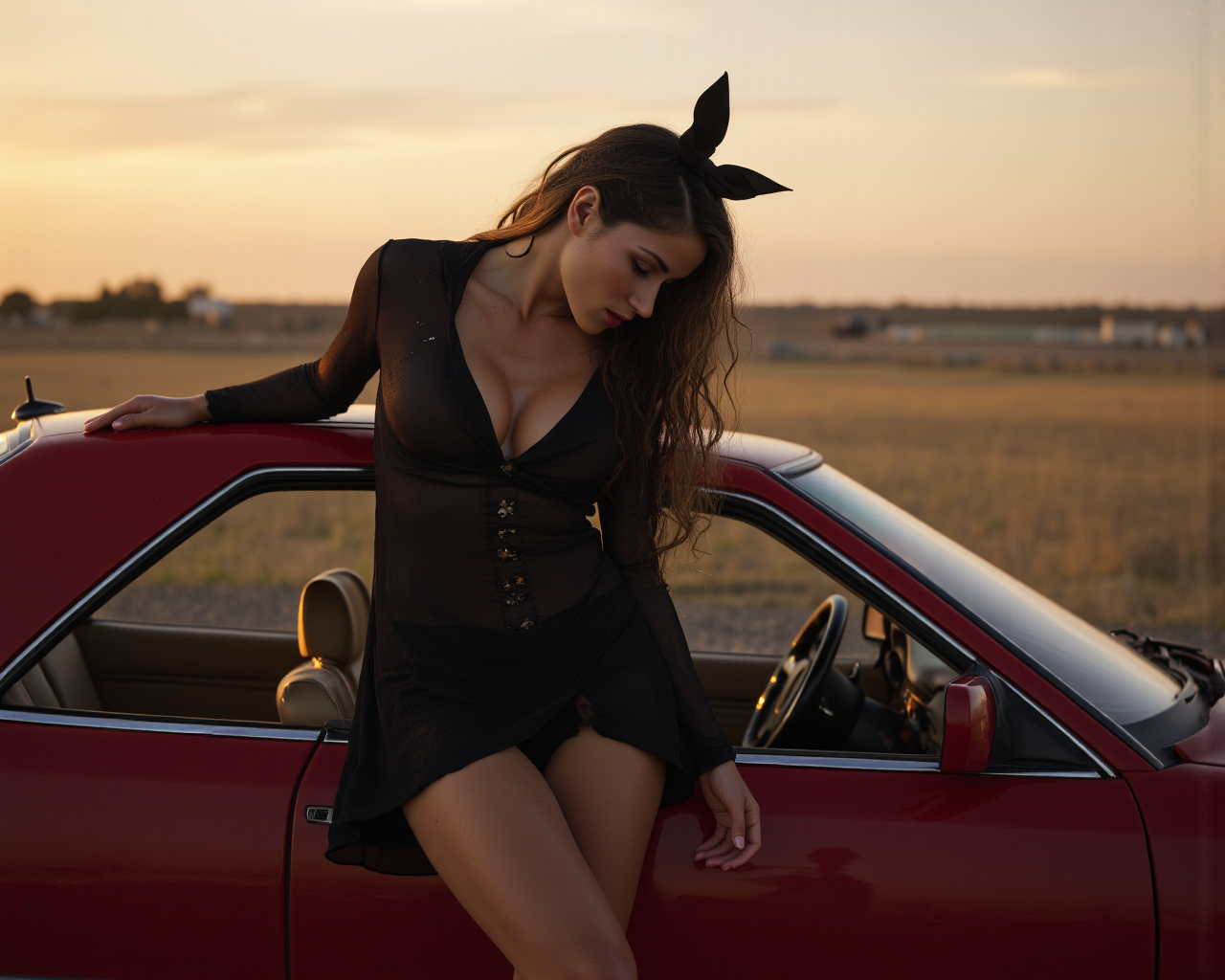
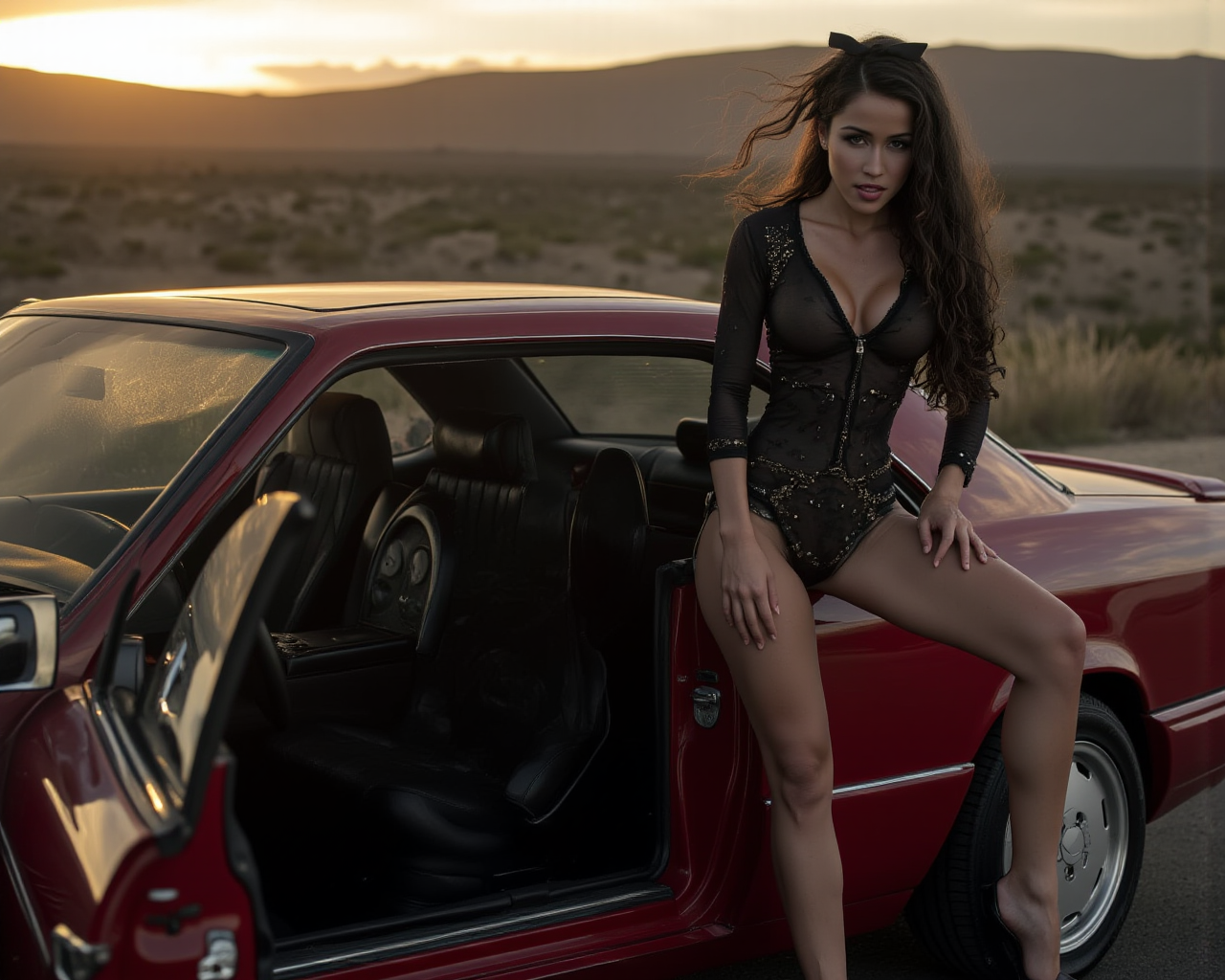
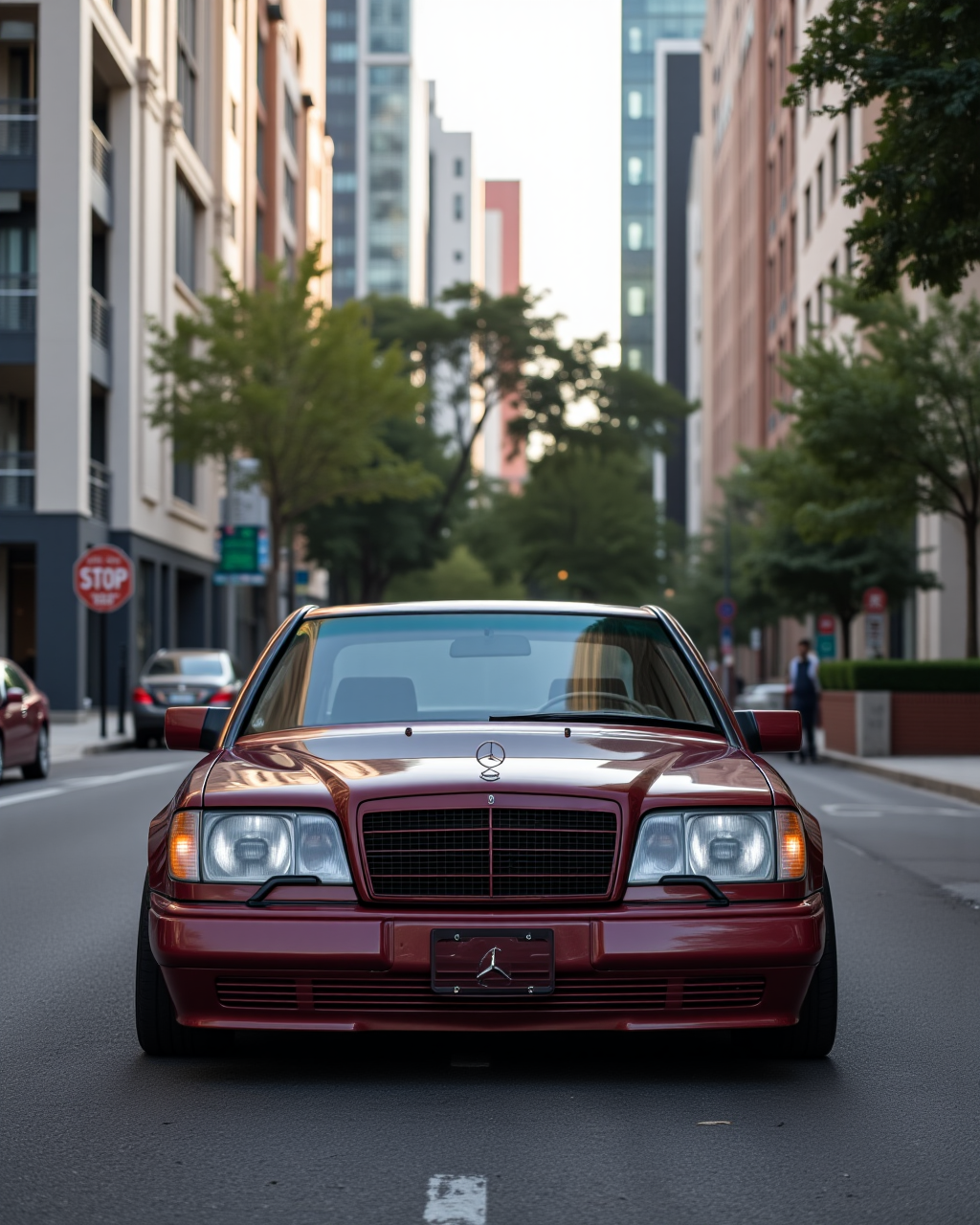
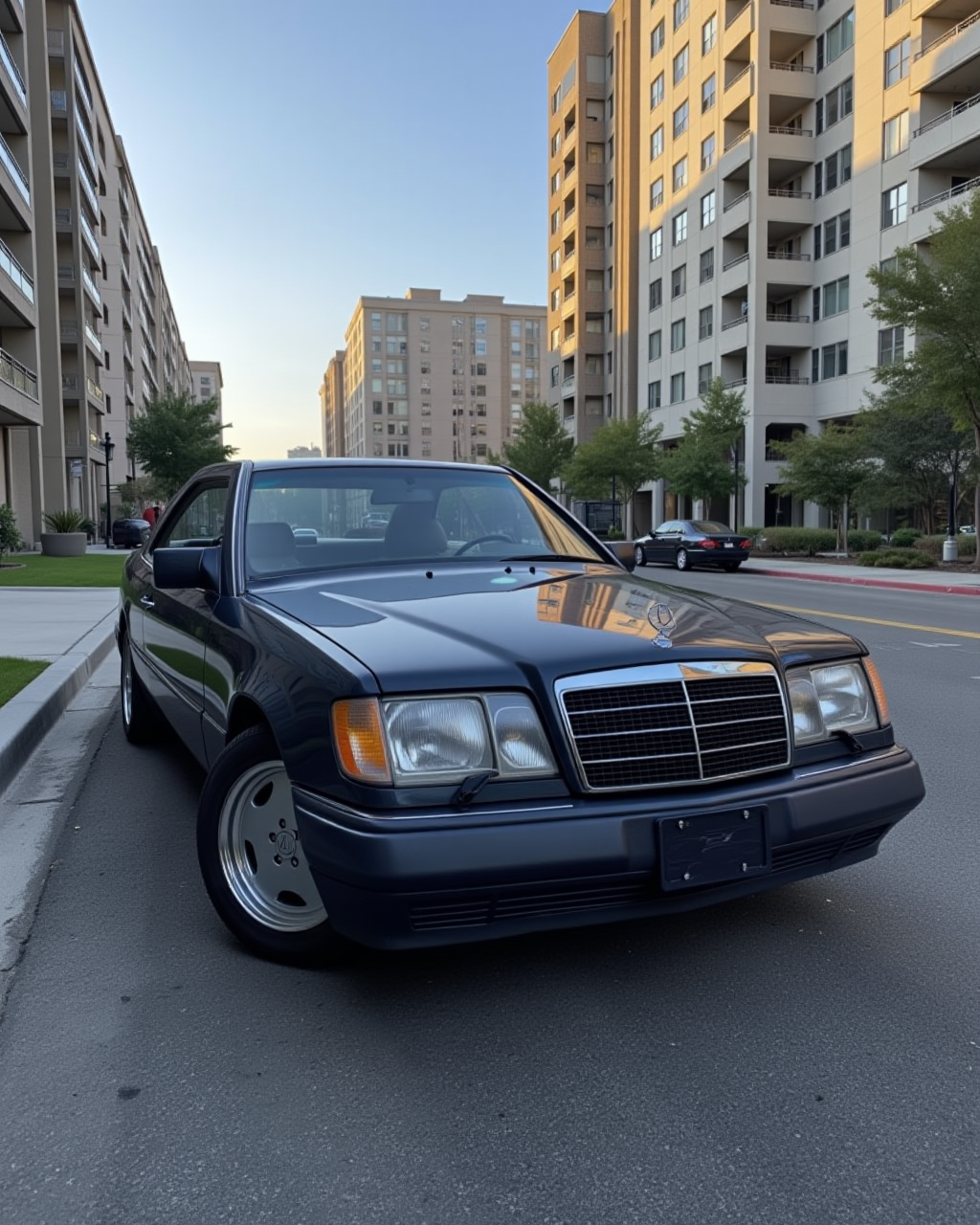
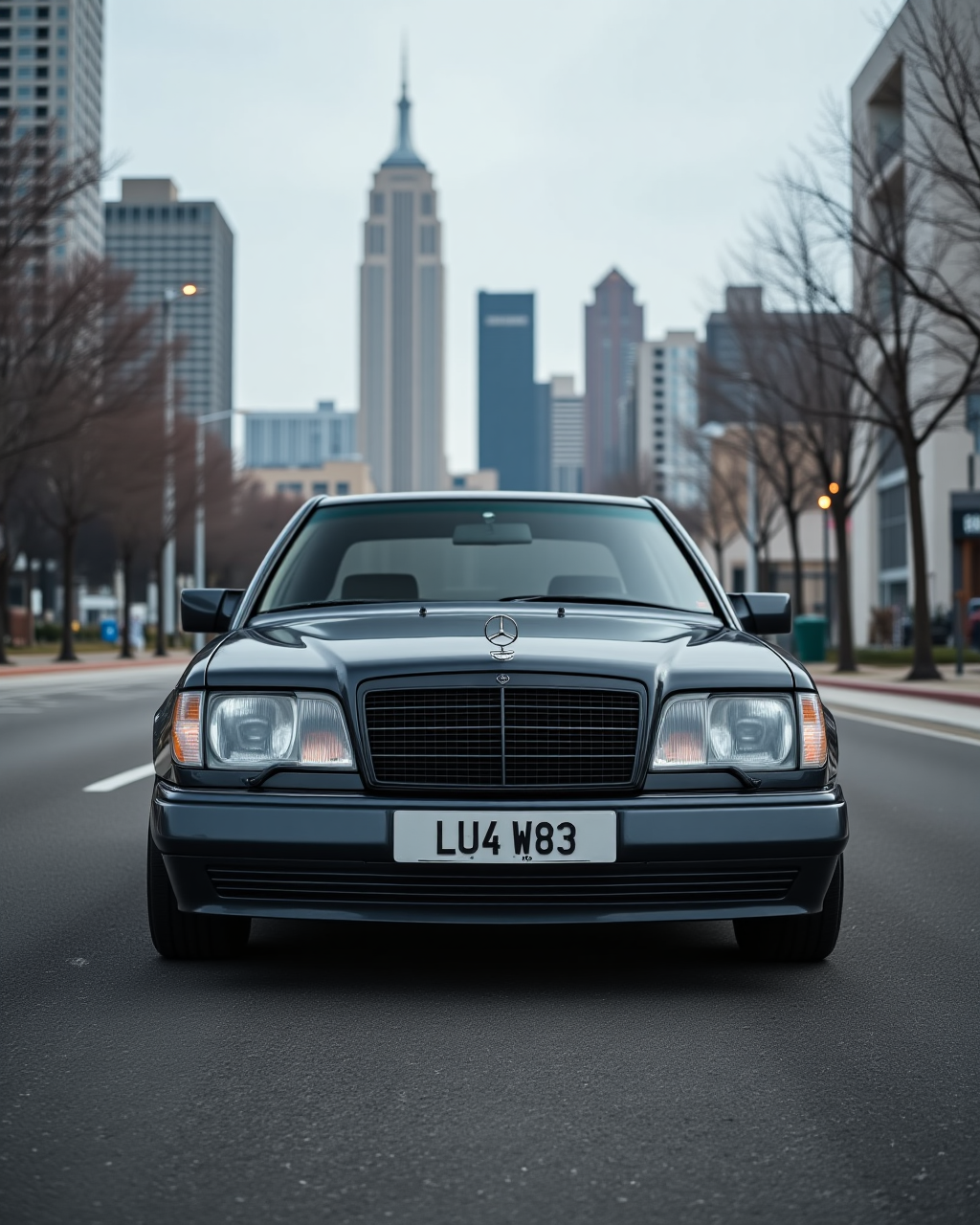
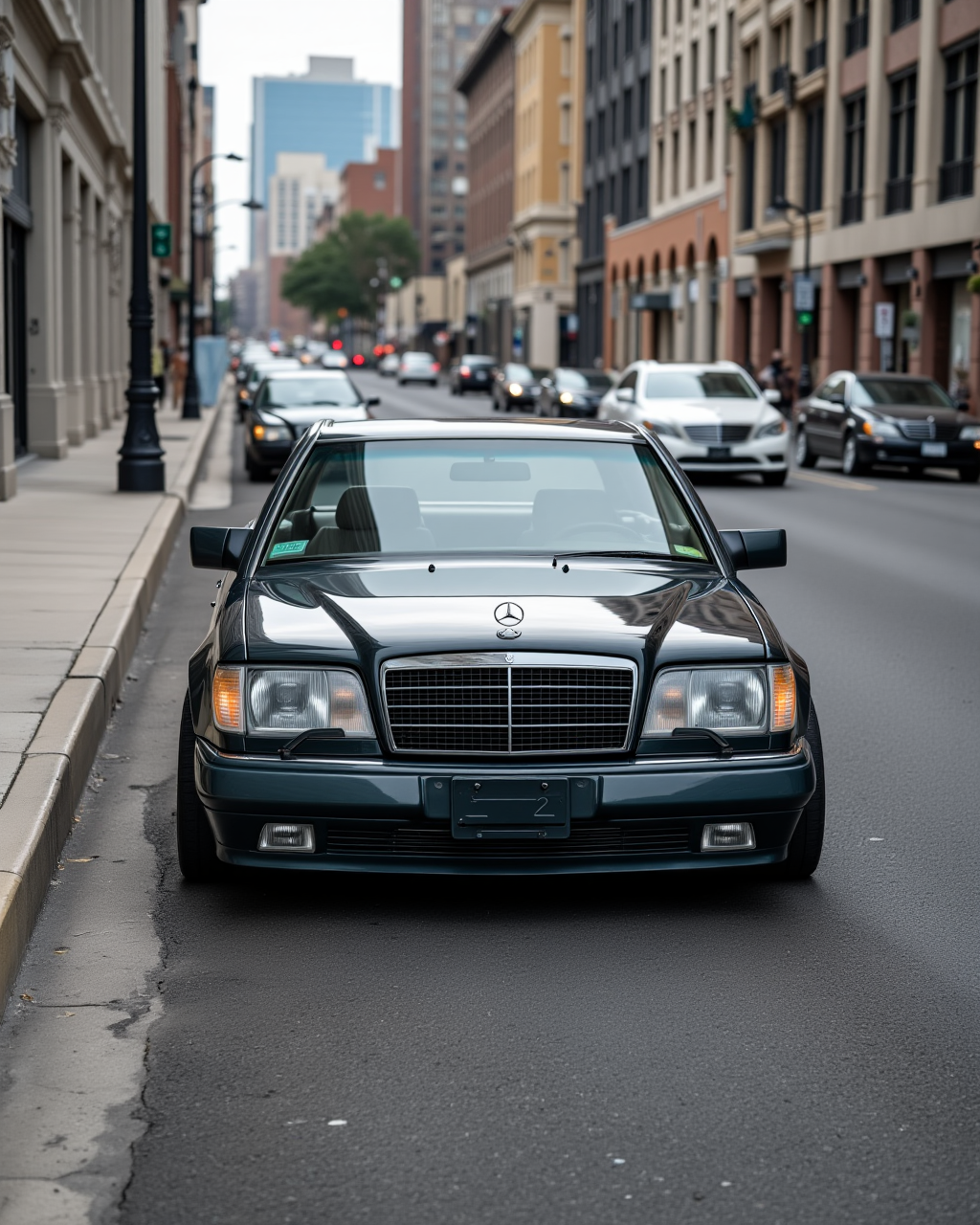
This is my first attempt at doing a model. Any advice is always appreciated. If you get great results at different settings than i used please share.
If you make something with this Please Share! I would love to see it.
I took about 50 photos of my daily driver. Vertical and wide. Day/Night. Lights on and off. Front, rear, 3/4 etc.. 5 Epochs.
My tests were done at a strength of .7 - 1.0
CFG 3.0
Steps 20
Sampler DDIM Trailing
I use a Mac M1 - Draw Things. I would love to see what everyone else creates with it.
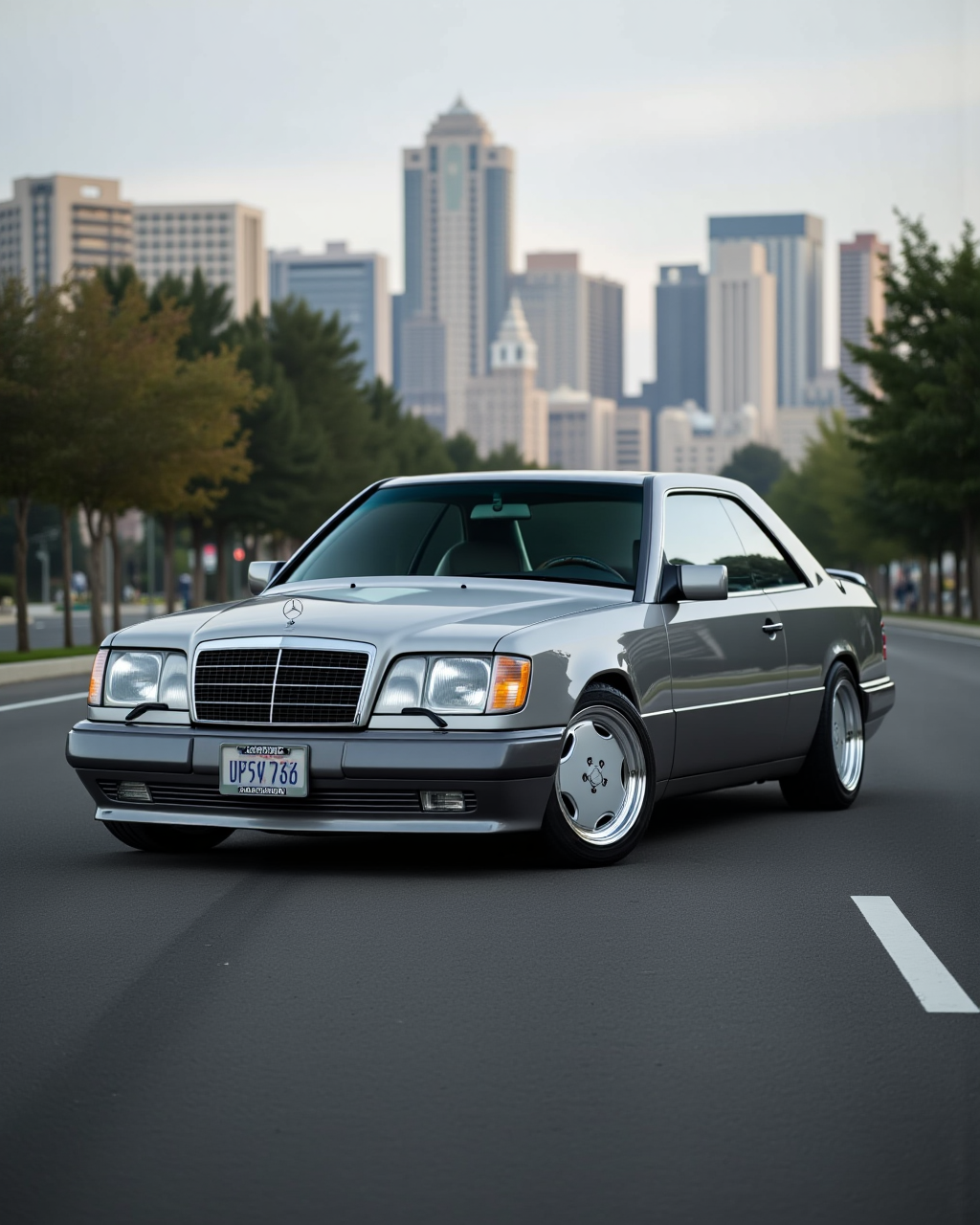
The car is a 1995 coupe with AMG style front bumper and rear duckbill spoiler. AMG Aero 3 wheels. If you dont specify a color it seems to choose interesting combinations on its own.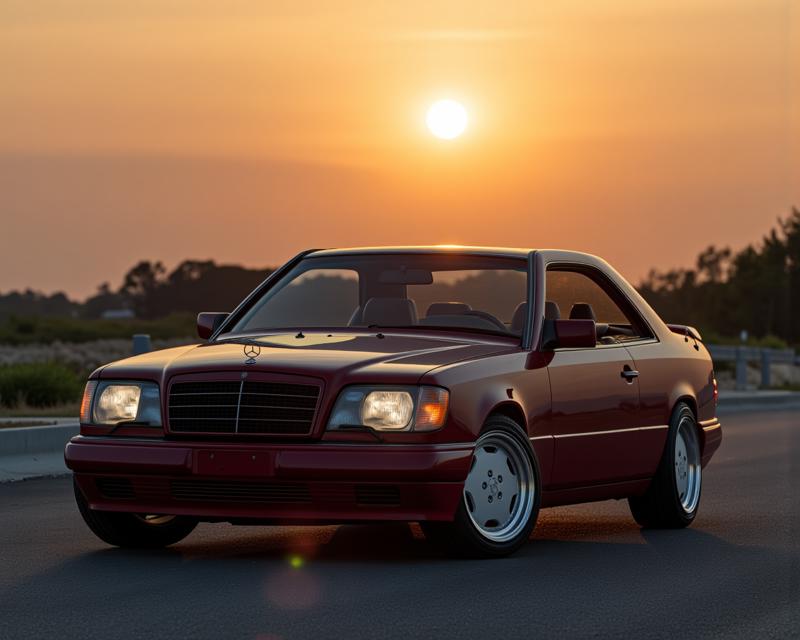
W124 Details: Car Designer - Bruno Sacco (final design)
The Mercedes-Benz W124 is a range of executive cars made by Daimler-Benz from 1984 to 1997. The range included numerous body configurations, and though collectively referred to as the W-124, official internal chassis designations varied by body style: saloon (W 124); estate (S 124); coupé (C 124); cabriolet (A 124); limousine (V 124); rolling chassis (F 124); and long-wheelbase rolling chassis (VF 124).
In August 1993 Mercedes-Benz released the second facelift of the W124. This time the changes were much more drastic, particularly in the fascia which was modelled after the W140 S-class and the newly released W202 C-Class, as part of the company's new corporate styling with regard to the radiator grille that was now integrated into the bonnet's contours, along with the pearl coloured turn indicators. The boot cover was also given a small workover, as were the taillights. Bumper strips on the aprons were now body coloured. The wheels got new hub caps to complete the look.
The petrol engines remained the same for the sedan, estate, and coupé (although the 2.8 litre M104 lost 4 horsepower to fit into a lower tax band), whilst the cabriolet gained the latter's 2.2 litre M111 and 3.2 litre M104, as well as the 2.0 M111 for Greece, Portugal and Italy. The DOHC transition continued on the diesel range, and with the facelift, the 2.5 and 3.0 OM602 and OM603 gained the new 20 and 24 valve cylinder heads, as the OM605 and OM606 motors, providing 20% more power. This did not affect the turbocharged models which would retain the SOHC diesels.
The facelift coincided with the a major re-badging and rebranding that began with launch of the Mercedes-Benz C-Class (W202) as a replacement for the W201 in March. Originally the 190 model, and hence nameplate, was to be limited to a few select models, but its popularity caused the series to become a family on its own. Applying the same logic would be unfeasible as the new W202, which was to be more classy, upmarket and less adolescent. In the old system Mercedes-Benz marketed its products on a series concept which would often, but not always, coincide with the displacement that the engine made. If the car had special features, like a diesel engine or an estate (Transport) body, this would be present in the label eg 250TD. For upmarket trims or models, the suffix was S for Sonder (literally translates as special, and figuratively - as exclusive). In 1972, to clarify its selling strategy the product lines were split into the unnamed "standard class", encompassing the /8 models and the S-Class, encompassing models of the newly released 116 and 107 chassis. However, by the early 1990s, the standard range ballooned to a point where in addition to encompassing more than 8 series at any one time, with some specific models (turbocharged diesels, AWD 4Matics) in several body styles, it now had to incorporate the W463, which, unlike the W460 Geländewagen was not a commercial vehicle and was sold through regular Mercedes showrooms. At the same time, having the "S-class" broadly applied to the whole premiere range did not follow, particularly with the R107 SL after 1981, but it did go well for the W126 series and the following W140.
Upon the launch of the W202, Mercedes-Benz decided to make a third product line, opposite to the S-class, the Compact or C-Class, and to avoid it being confused with the existing C124 and A124 models, the label now preceded the model code. The template was well received, and in 1993 the company decided to re-badge, and, effectively, re-brand, the whole product line in a similar fashion, with the W140 now officially privatising the S-Class, the R129 SL becoming the SL-Class, the W463 G-Wagen - the G-Class, leaving W124 series as the sole representative of the unnamed "standard class". Here Daimler chose to keep the common E, which originally stood for Enspritz, or injected, but after the retirement of 200 and 200T in 1990, has become redundant. It was reversed it into the Executive or E-Class. Attributes of body styles such as C or T were dropped. Diesel powered cars were punctuated with a Diesel badge and those turbocharged - Turbodiesel. Thus the '250TD Turbo' became the 'E250 Turbodiesel' wagon. In certain cases, the model code was adjusted to the real displacement, like the 400E, which became the E420.